
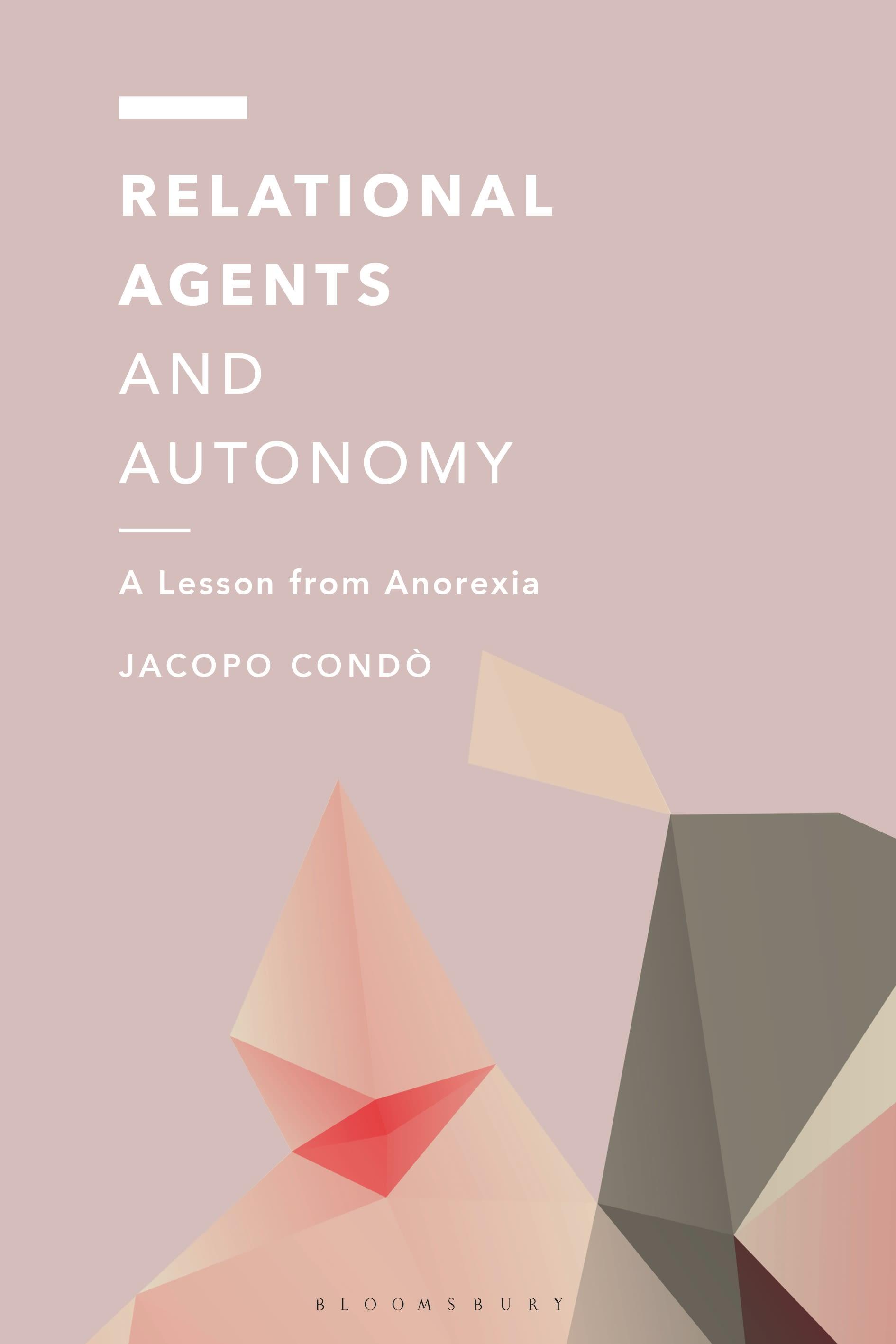
A critical examination of how value-neutral policy fails patients with anorexia nervosa, and what anorexia can teach us about liberal autonomy.
Reconsidering and reframing autonomy through the lived experiences of individuals with anorexia nervosa, Relational Agents and Autonomy challenges our current perspectives on personal agency, especially in medical settings. The central question this book poses revolves around the widely accepted but inadequately examined "value-neutral" conception of autonomy. Value-neutral perspectives claim to have an objective view of individual decisions by considering them as purely private and isolated matters, without recognizing the broader frameworks – moral, social, historical, and cultural – encompassing the decision-maker.
The heart of this book lies in the powerful narratives of individuals grappling with anorexia that invite readers to reconsider their deeply held understandings of personal autonomy. It offers a detailed exploration of self-respect, self-worth, self-trust, relational responsibility, and dialogical accountability as these intersect with the autonomy of individuals in a healthcare setting. Bringing together clinical data, philosophical theory and legal doctrine, and probing current ethical and legal assumptions, it shines a light on the conceptual and practical challenges associated with understanding and treating this complex disorder.
Challenging the traditionally accepted view of the human agent as an independent, private entity, this book contends that autonomy is not a mere characteristic of an isolated individual, but is dynamically shaped and constituted by a broad range of factors, from interpersonal relationships, societal norms, and dialogical capacities, to cultural contexts, personal histories and wider narratives.
Reconsidering and reframing autonomy through the lived experiences of individuals with anorexia nervosa, Relational Agents and Autonomy challenges our current perspectives on personal agency, especially in medical settings. The central question this book poses revolves around the widely accepted but inadequately examined "value-neutral" conception of autonomy. Value-neutral perspectives claim to have an objective view of individual decisions by considering them as purely private and isolated matters, without recognizing the broader frameworks – moral, social, historical, and cultural – encompassing the decision-maker.
The heart of this book lies in the powerful narratives of individuals grappling with anorexia that invite readers to reconsider their deeply held understandings of personal autonomy. It offers a detailed exploration of self-respect, self-worth, self-trust, relational responsibility, and dialogical accountability as these intersect with the autonomy of individuals in a healthcare setting. Bringing together clinical data, philosophical theory and legal doctrine, and probing current ethical and legal assumptions, it shines a light on the conceptual and practical challenges associated with understanding and treating this complex disorder.
Challenging the traditionally accepted view of the human agent as an independent, private entity, this book contends that autonomy is not a mere characteristic of an isolated individual, but is dynamically shaped and constituted by a broad range of factors, from interpersonal relationships, societal norms, and dialogical capacities, to cultural contexts, personal histories and wider narratives.
Maksa helposti kortilla, Klarnalla, Apple Paylla tai Google Paylla. Etkö ole tyytyväinen? Sinulla on aina 14 päivän palautusoikeus. Lue lisää ehdoistamme. Jos sinulla on kysyttävää, lähetä meille sähköpostia osoitteeseen hello@memmo.org.
Memmo tekee opiskelusta helpompaa – missä päin maailmaa ikinä oletkin. Meillä yhdistät kurssikirjat ja fiksut opiskelutyökalut yhteen paikkaan: tiivistelmät, visat, podcastit ja muistikortit. Ja sitten Ted, opiskelukaverisi, joka vastaa kaikkeen, mitä ikinä mietitkin. Yli 50 000 opiskelijaa opiskelee jo täällä – rakennettu auttamaan sinua oppimaan nopeammin ja stressaamaan vähemmän.