
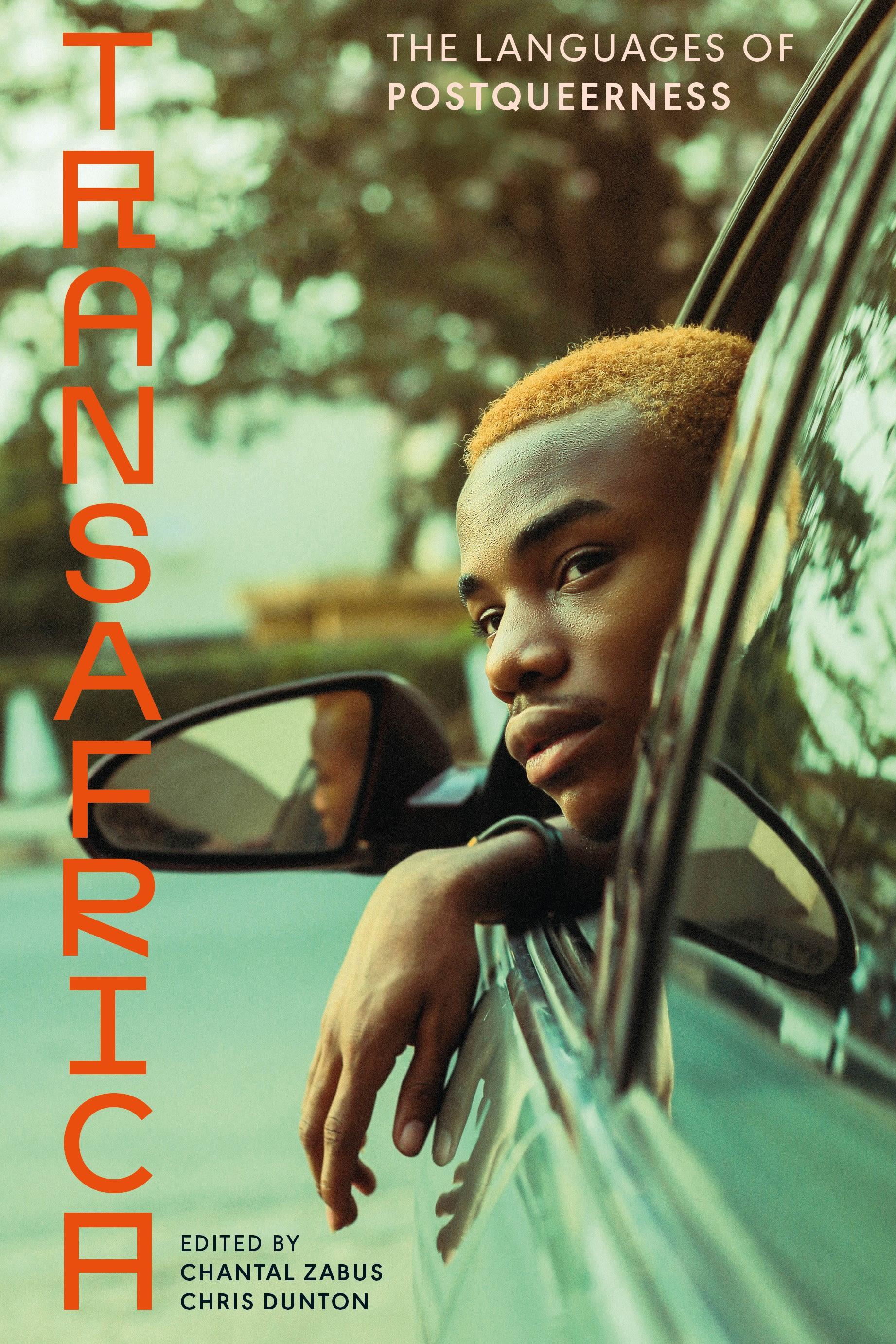
Transafrica explores this new lexical culture in cultural materials (novels, poetry, testimonies/life stories, interviews, film, visual art) in English, French, Arabic and other selected African languages, and the meanings which Africans have transnationally conferred upon “queer” and “transgender"-from North to South. Gender nonconformity and sexual dissidence on the African continent has produced a lexical culture at the crossroads of Western discourse and local African naming practices.
Transafrica is an unprecedented attempt at identifying the new vocabularies which queer and transgender Africans have used in the first two decades of the 21st century to refer to themselves and narrativize their desire, in the face of official narratives by medical doctors, and legal and religious authorities that have often been prioritized over a gender-variant (queer, trans, non-binary) individual's lived experience, resulting in a systemic disempowerment.
Using case studies from Morocco, Egypt, Somalia, Nigeria, Uganda, Madagascar, Botswana, South Africa and more, Transafrica draws conclusions for a culture-specific and history-specific type of gender diversity outside of Western epistemic borders while confronting Euro-American models, thereby auguring a turn-of-the-third-millennium postqueer set of African open-ended identities.
Transafrica is an unprecedented attempt at identifying the new vocabularies which queer and transgender Africans have used in the first two decades of the 21st century to refer to themselves and narrativize their desire, in the face of official narratives by medical doctors, and legal and religious authorities that have often been prioritized over a gender-variant (queer, trans, non-binary) individual's lived experience, resulting in a systemic disempowerment.
Using case studies from Morocco, Egypt, Somalia, Nigeria, Uganda, Madagascar, Botswana, South Africa and more, Transafrica draws conclusions for a culture-specific and history-specific type of gender diversity outside of Western epistemic borders while confronting Euro-American models, thereby auguring a turn-of-the-third-millennium postqueer set of African open-ended identities.
Maksa helposti kortilla, Klarnalla, Apple Paylla tai Google Paylla. Etkö ole tyytyväinen? Sinulla on aina 14 päivän palautusoikeus. Lue lisää ehdoistamme. Jos sinulla on kysyttävää, lähetä meille sähköpostia osoitteeseen hello@memmo.org.
Memmo tekee opiskelusta helpompaa – missä päin maailmaa ikinä oletkin. Meillä yhdistät kurssikirjat ja fiksut opiskelutyökalut yhteen paikkaan: tiivistelmät, visat, podcastit ja muistikortit. Ja sitten Ted, opiskelukaverisi, joka vastaa kaikkeen, mitä ikinä mietitkin. Yli 50 000 opiskelijaa opiskelee jo täällä – rakennettu auttamaan sinua oppimaan nopeammin ja stressaamaan vähemmän.