
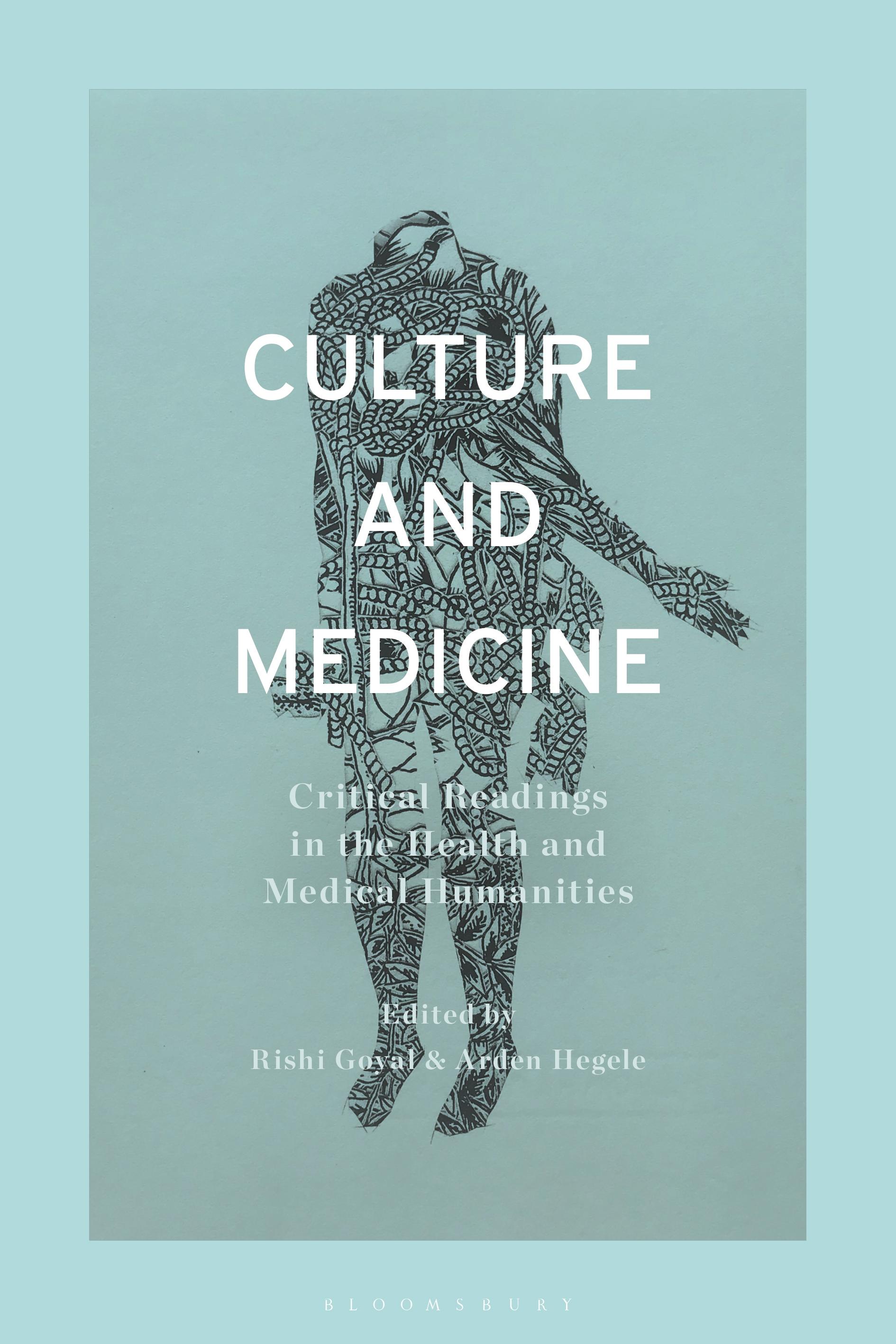
Charting shared advances across the emerging fields of medical humanities and health humanities, this book engages with the question of how biomedical knowledge is constructed, negotiated, and circulated as a cultural practice.
The volume is composed of a series of pathbreaking inter-disciplinary essays that bring sociocultural habits of mind and modes of thought to the study of medicine, health and patients. These juxtapositions create new forms of knowledge, while emphasizing the vulnerability of human bodies, anti-essentialist approaches to biology, a sensitivity to language and rhetoric, and an attention to social justice.
These essays dissect the ways that cultural practices define the limits of health and the body: from the body's place and trajectory in the world to how bodies relate to one another, from questions about ageing and sex to what counts as health and illness.
Considering how these and other concepts are shaped by a negotiation between medico-scientific knowledge and ways of knowing derived from other domains, this book provides important new insights into how biomedical frameworks become settled forms for broader cultural understanding.
The volume is composed of a series of pathbreaking inter-disciplinary essays that bring sociocultural habits of mind and modes of thought to the study of medicine, health and patients. These juxtapositions create new forms of knowledge, while emphasizing the vulnerability of human bodies, anti-essentialist approaches to biology, a sensitivity to language and rhetoric, and an attention to social justice.
These essays dissect the ways that cultural practices define the limits of health and the body: from the body's place and trajectory in the world to how bodies relate to one another, from questions about ageing and sex to what counts as health and illness.
Considering how these and other concepts are shaped by a negotiation between medico-scientific knowledge and ways of knowing derived from other domains, this book provides important new insights into how biomedical frameworks become settled forms for broader cultural understanding.
Maksa helposti kortilla, Klarnalla, Apple Paylla tai Google Paylla. Etkö ole tyytyväinen? Sinulla on aina 14 päivän palautusoikeus. Lue lisää ehdoistamme. Jos sinulla on kysyttävää, lähetä meille sähköpostia osoitteeseen hello@memmo.org.
Memmo tekee opiskelusta helpompaa – missä päin maailmaa ikinä oletkin. Meillä yhdistät kurssikirjat ja fiksut opiskelutyökalut yhteen paikkaan: tiivistelmät, visat, podcastit ja muistikortit. Ja sitten Ted, opiskelukaverisi, joka vastaa kaikkeen, mitä ikinä mietitkin. Yli 50 000 opiskelijaa opiskelee jo täällä – rakennettu auttamaan sinua oppimaan nopeammin ja stressaamaan vähemmän.