
Shortlisted for the Alice Davis Hitchcock Medallion 2023
Shortlisted for the Colvin Prize 2023
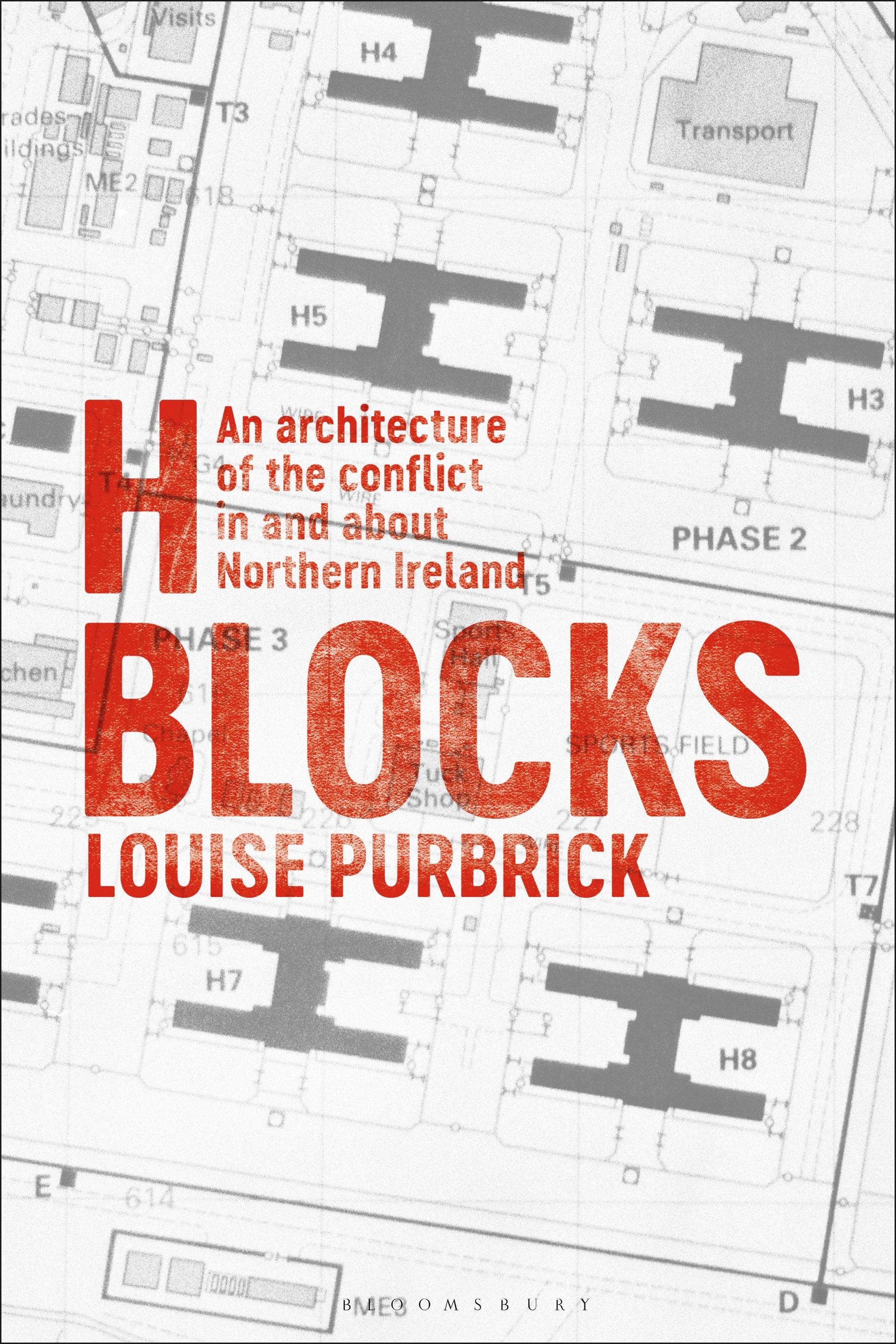
A place of incarceration and liberation, political debate and historical denial, the H Block cell units of Long Kesh/Maze prison in Northern Ireland housed members of both Republican and Loyalist military groups during 'The Troubles' and are now considered 'icons' of that conflict. The H Block's dual status as an articulation of and resistance against power mean that the area is still one of the most contested sites of conflict in Europe.
Based on a long-standing site-specific investigation, and drawing on a range of sources from architectural plans to photographs of street protests, H Blocks explores the material relationship between the prison as a built articulation of power and its inhabitants, highlighting the ethical and political roles that architecture can play in situations of conflict. It also addresses the afterlife of such sites after the end of conflict and how they can adapt to the changing cultural meanings of their space.
The book demonstrates how the conflicted histories of the prison are configured in its design and destruction, and the inhabitation and attempted preservation of the site itself, revealing how its architecture is bound up with questions of power and resistance, embodiment and attachment, witnessing and remembering, the materiality of history and its commodification.
Shortlisted for the Colvin Prize 2023
A place of incarceration and liberation, political debate and historical denial, the H Block cell units of Long Kesh/Maze prison in Northern Ireland housed members of both Republican and Loyalist military groups during 'The Troubles' and are now considered 'icons' of that conflict. The H Block's dual status as an articulation of and resistance against power mean that the area is still one of the most contested sites of conflict in Europe.
Based on a long-standing site-specific investigation, and drawing on a range of sources from architectural plans to photographs of street protests, H Blocks explores the material relationship between the prison as a built articulation of power and its inhabitants, highlighting the ethical and political roles that architecture can play in situations of conflict. It also addresses the afterlife of such sites after the end of conflict and how they can adapt to the changing cultural meanings of their space.
The book demonstrates how the conflicted histories of the prison are configured in its design and destruction, and the inhabitation and attempted preservation of the site itself, revealing how its architecture is bound up with questions of power and resistance, embodiment and attachment, witnessing and remembering, the materiality of history and its commodification.
Maksa helposti kortilla, Klarnalla, Apple Paylla tai Google Paylla. Etkö ole tyytyväinen? Sinulla on aina 14 päivän palautusoikeus. Lue lisää ehdoistamme. Jos sinulla on kysyttävää, lähetä meille sähköpostia osoitteeseen hello@memmo.org.
Memmo tekee opiskelusta helpompaa – missä päin maailmaa ikinä oletkin. Meillä yhdistät kurssikirjat ja fiksut opiskelutyökalut yhteen paikkaan: tiivistelmät, visat, podcastit ja muistikortit. Ja sitten Ted, opiskelukaverisi, joka vastaa kaikkeen, mitä ikinä mietitkin. Yli 50 000 opiskelijaa opiskelee jo täällä – rakennettu auttamaan sinua oppimaan nopeammin ja stressaamaan vähemmän.