
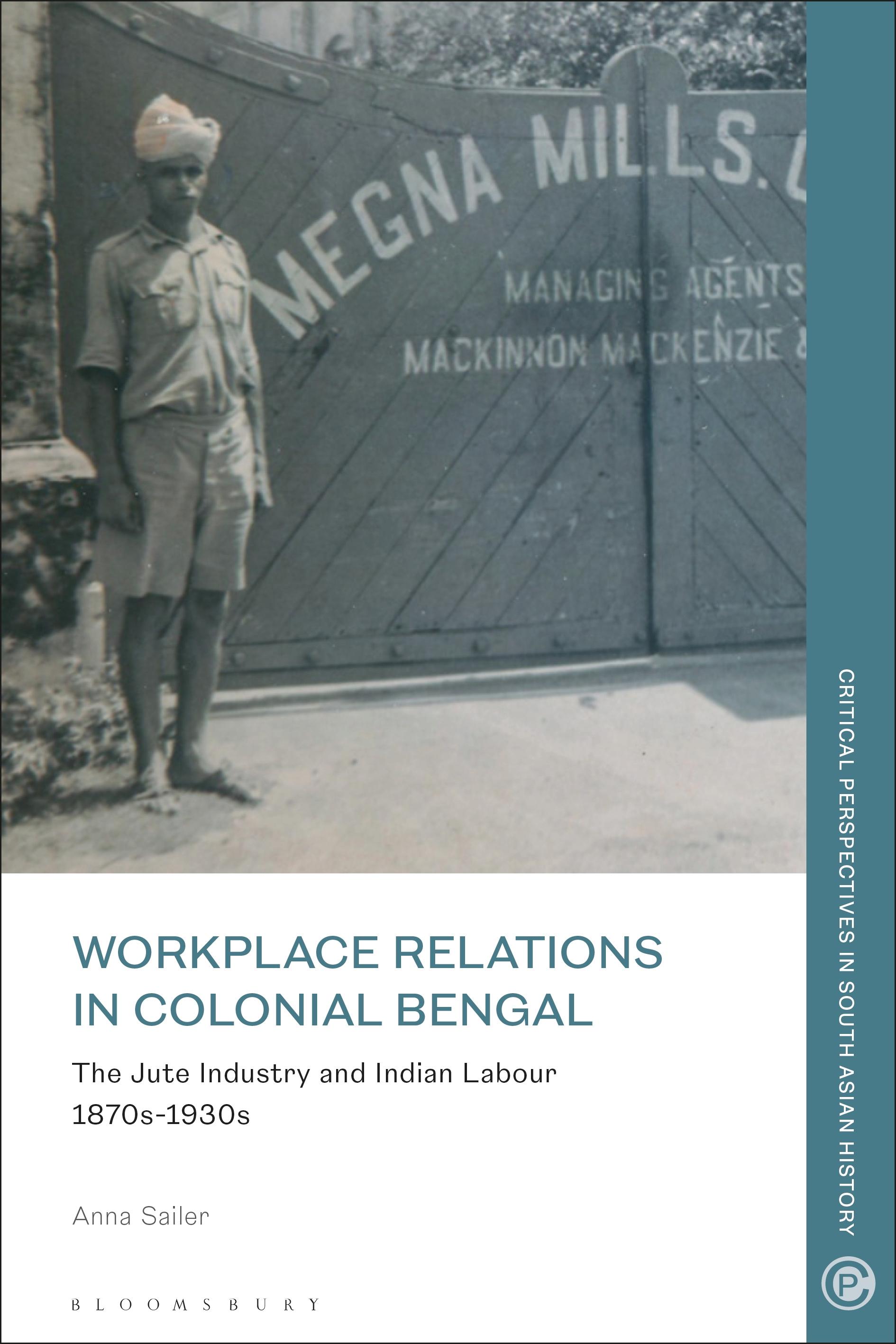
This book connects the history of labour movements with the transformation of workplace relations in South Asia from the late 19th century to the 1930s. Contending that labour conflicts in the Bengal jute industry must be understood against the backdrop of a radical change in the organisation of work in this period, Sailer shows how this led to a rupture in worker's relations in the workplace and beyond.
Moving away from polarities such as class/culture or modernity/tradition and reconsidering the context around industrial conflicts in this period, Workplace relations in Colonial Bengal offers a new framework to analyse the changing organisation of work in colonial India, and identifies the implications for worker relations both inside and outside the factory. Focusing on a major colonial era industry, this book opens up new perspectives n the history of workers and colonial capitalism in modern India.
Moving away from polarities such as class/culture or modernity/tradition and reconsidering the context around industrial conflicts in this period, Workplace relations in Colonial Bengal offers a new framework to analyse the changing organisation of work in colonial India, and identifies the implications for worker relations both inside and outside the factory. Focusing on a major colonial era industry, this book opens up new perspectives n the history of workers and colonial capitalism in modern India.
Maksa helposti kortilla, Klarnalla, Apple Paylla tai Google Paylla. Etkö ole tyytyväinen? Sinulla on aina 14 päivän palautusoikeus. Lue lisää ehdoistamme. Jos sinulla on kysyttävää, lähetä meille sähköpostia osoitteeseen hello@memmo.org.
Memmo tekee opiskelusta helpompaa – missä päin maailmaa ikinä oletkin. Meillä yhdistät kurssikirjat ja fiksut opiskelutyökalut yhteen paikkaan: tiivistelmät, visat, podcastit ja muistikortit. Ja sitten Ted, opiskelukaverisi, joka vastaa kaikkeen, mitä ikinä mietitkin. Yli 50 000 opiskelijaa opiskelee jo täällä – rakennettu auttamaan sinua oppimaan nopeammin ja stressaamaan vähemmän.