
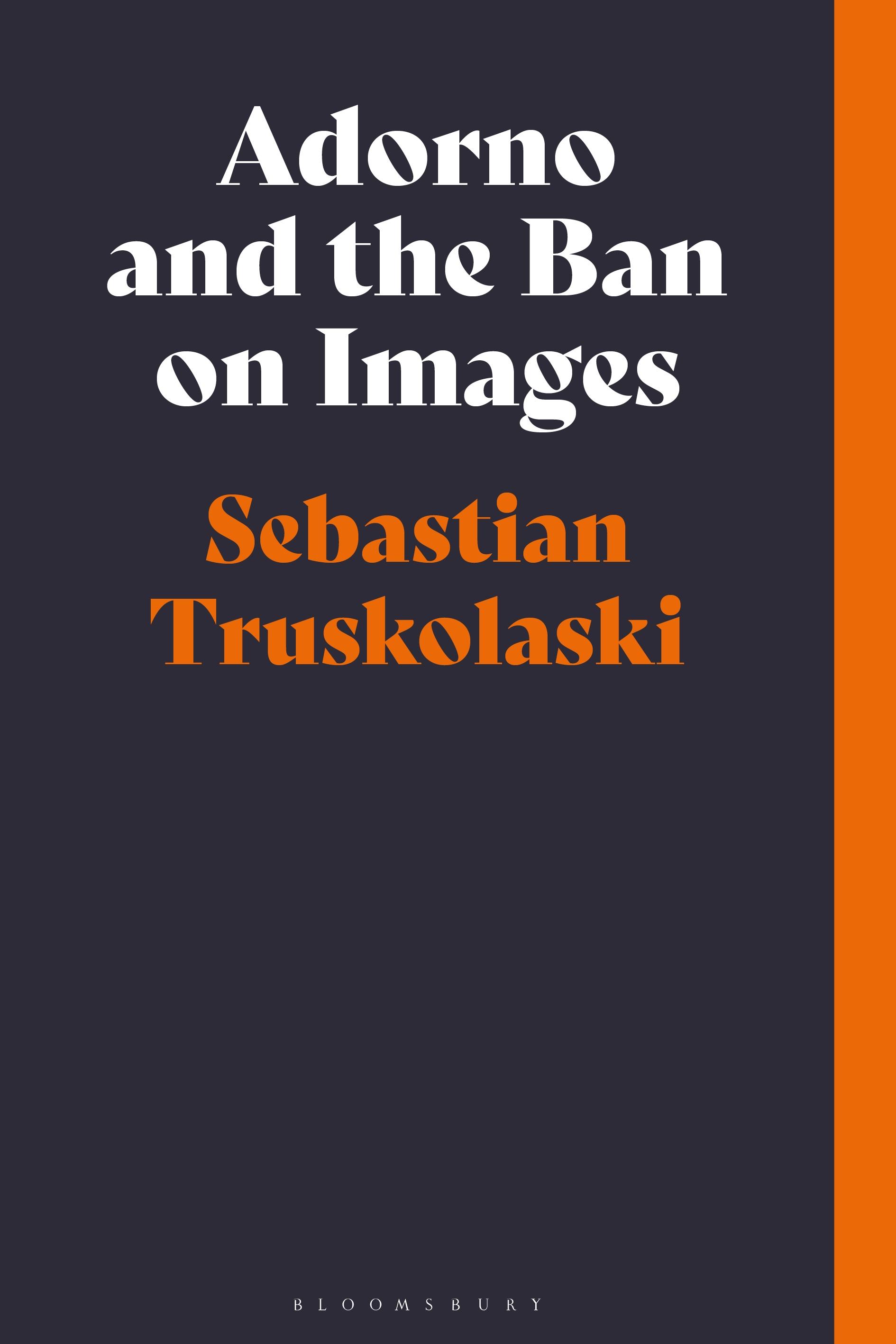
This book upends some of the myths that have come to surround the work of the philosopher Theodor W. Adorno – not least amongst them, his supposed fatalism.
Sebastian Truskolaski argues that Adorno's writings allow us to address what is arguably the central challenge of modern philosophy: how to picture a world beyond suffering and injustice without, at the same time, betraying its vital impulse. By re-appraising Adorno's writings on politics, philosophy, and art, this book reconstructs this notoriously difficult author's overall project from a radically new perspective (Adorno's famous 'standpoint of redemption'), and brings his central concerns to bear on the problems of today.
On the one hand, this means reading Adorno alongside his principal interlocutors (including Kant, Marx and Benjamin). On the other hand, it means asking how his secular brand of social criticism can serve to safeguard the image of a better world – above all, when the invocation of this image occurs alongside Adorno's recurrent reference to the Old Testament ban on making images of God.
By reading Adorno in this iconoclastic way, Adorno and the Ban on Images contributes to current debates about Utopia that have come to define political visions across the political spectrum.
Sebastian Truskolaski argues that Adorno's writings allow us to address what is arguably the central challenge of modern philosophy: how to picture a world beyond suffering and injustice without, at the same time, betraying its vital impulse. By re-appraising Adorno's writings on politics, philosophy, and art, this book reconstructs this notoriously difficult author's overall project from a radically new perspective (Adorno's famous 'standpoint of redemption'), and brings his central concerns to bear on the problems of today.
On the one hand, this means reading Adorno alongside his principal interlocutors (including Kant, Marx and Benjamin). On the other hand, it means asking how his secular brand of social criticism can serve to safeguard the image of a better world – above all, when the invocation of this image occurs alongside Adorno's recurrent reference to the Old Testament ban on making images of God.
By reading Adorno in this iconoclastic way, Adorno and the Ban on Images contributes to current debates about Utopia that have come to define political visions across the political spectrum.
Maksa helposti kortilla, Klarnalla, Apple Paylla tai Google Paylla. Etkö ole tyytyväinen? Sinulla on aina 14 päivän palautusoikeus. Lue lisää ehdoistamme. Jos sinulla on kysyttävää, lähetä meille sähköpostia osoitteeseen hello@memmo.org.
Memmo tekee opiskelusta helpompaa – missä päin maailmaa ikinä oletkin. Meillä yhdistät kurssikirjat ja fiksut opiskelutyökalut yhteen paikkaan: tiivistelmät, visat, podcastit ja muistikortit. Ja sitten Ted, opiskelukaverisi, joka vastaa kaikkeen, mitä ikinä mietitkin. Yli 50 000 opiskelijaa opiskelee jo täällä – rakennettu auttamaan sinua oppimaan nopeammin ja stressaamaan vähemmän.