
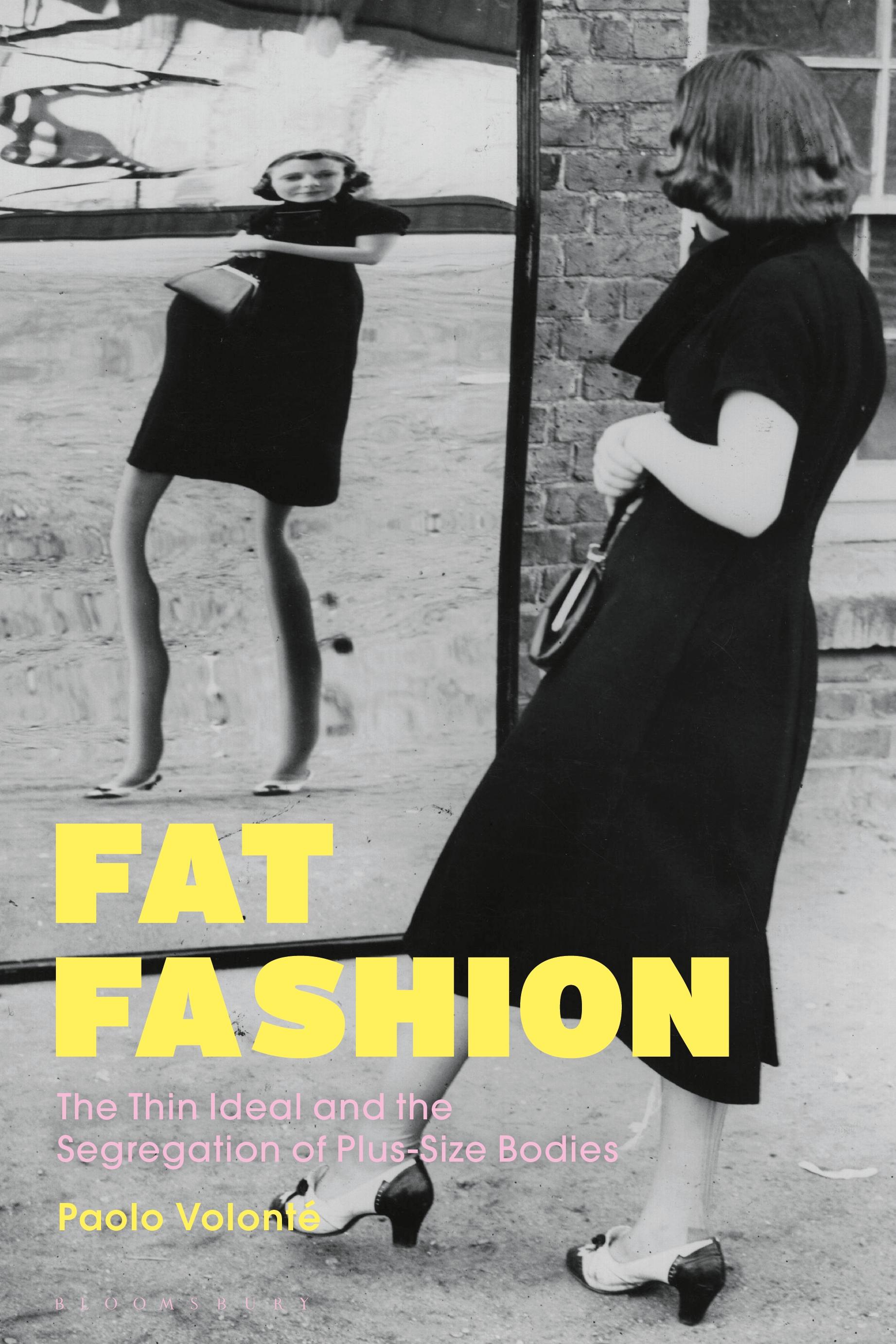
Average body mass in many Western cultures is getting larger and yet the fashion system seems mostly unchanged. Major fashion houses still limit their output to small sizes and the dominant ideal of the female body in fashion imagery is still thin – dangerously thin according to World Health Organization standards. Why is the industry forfeiting a considerable share of the market in the form of plus-size consumers, seemingly against its commercial interests? Why does the thin ideal reign supreme despite damning evidence of its harm to women? And is there a way out of this system of thin ideals and segregated fat bodies?
In this original study, Paolo Volonté answers these questions and more, drawing on influential literature on the body, beauty standards and the roles of clothing in society. He reveals some surprising factors behind the perpetuation of the thin ideal such as the precedent of thin models and the introduction of standardised sizing for mass-manufactured clothing. He also revisits less surprising factors such as the attitudes of designers and consumers towards the female body, and notions of 'perfection'.
By critically analysing these factors, Volonté reveals why plus-size fashion is often characterised by 'low aesthetic commitment' and low quality marketing. He explores the nature of the segregation of fat bodies in fashion and considers what the future may hold for consumers, designers and marketers alike.
In this original study, Paolo Volonté answers these questions and more, drawing on influential literature on the body, beauty standards and the roles of clothing in society. He reveals some surprising factors behind the perpetuation of the thin ideal such as the precedent of thin models and the introduction of standardised sizing for mass-manufactured clothing. He also revisits less surprising factors such as the attitudes of designers and consumers towards the female body, and notions of 'perfection'.
By critically analysing these factors, Volonté reveals why plus-size fashion is often characterised by 'low aesthetic commitment' and low quality marketing. He explores the nature of the segregation of fat bodies in fashion and considers what the future may hold for consumers, designers and marketers alike.
Maksa helposti kortilla, Klarnalla, Apple Paylla tai Google Paylla. Etkö ole tyytyväinen? Sinulla on aina 14 päivän palautusoikeus. Lue lisää ehdoistamme. Jos sinulla on kysyttävää, lähetä meille sähköpostia osoitteeseen hello@memmo.org.
Memmo tekee opiskelusta helpompaa – missä päin maailmaa ikinä oletkin. Meillä yhdistät kurssikirjat ja fiksut opiskelutyökalut yhteen paikkaan: tiivistelmät, visat, podcastit ja muistikortit. Ja sitten Ted, opiskelukaverisi, joka vastaa kaikkeen, mitä ikinä mietitkin. Yli 50 000 opiskelijaa opiskelee jo täällä – rakennettu auttamaan sinua oppimaan nopeammin ja stressaamaan vähemmän.