
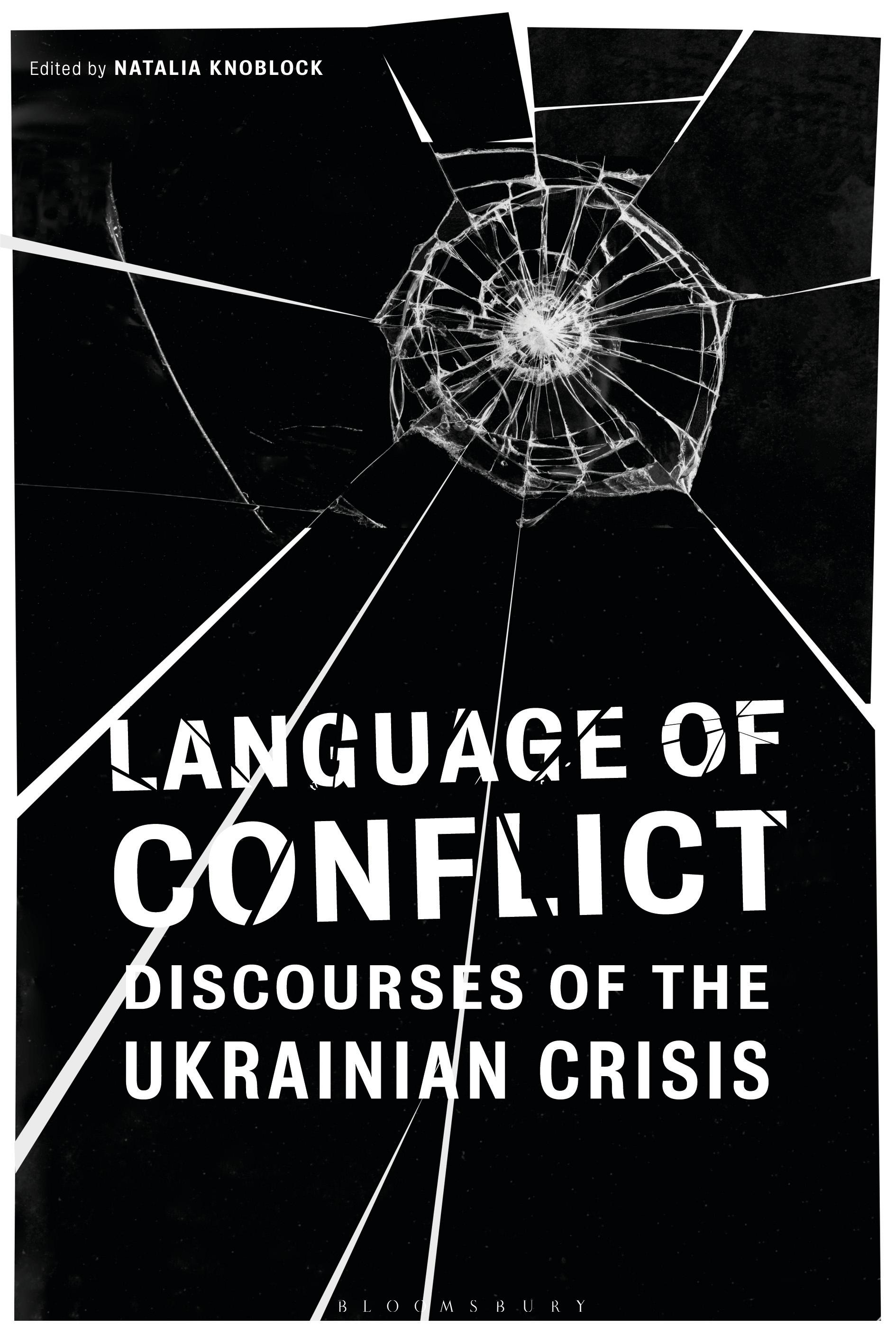
Exploring the ways in which language and conflict are intertwined and interrelated, this volume examines the patterns of public discourse in Ukraine and Russia since the beginning of the Ukrainian Crisis in 2014. It investigates the trends in language aggression, evaluation, persuasion and other elements of conflict communication related to the situation. Through the analysis of the linguistic features of salient discourses and prevalent narratives constructed by different social groups, Language of Conflict reflects competing worldviews of various stakeholders in this conflict and presents multiple, often contradictory, visions of the circumstances.
Contributors from Ukraine, Russia and beyond investigate discursive representations of the most important aspects of the crisis: its causes and goals, participants and the values and ideologies of the opposing factions. They focus on categorization, stance, framing, (de)legitimation, manipulation and coping strategies while analysing the ways in which the stress produced by social discord, economic hardship, and violence shapes public discourse. Primarily focusing on informal communication and material gathered from online sources, the collection provides insight into the ways people directly affected by the crisis think about and respond to it. The volume acknowledges the communicators' active role in constructing the (often incompatible) discursive images of the conflict and concentrates on the conscious and strategic use of linguistic resources in negative and aggressive communication.
Contributors from Ukraine, Russia and beyond investigate discursive representations of the most important aspects of the crisis: its causes and goals, participants and the values and ideologies of the opposing factions. They focus on categorization, stance, framing, (de)legitimation, manipulation and coping strategies while analysing the ways in which the stress produced by social discord, economic hardship, and violence shapes public discourse. Primarily focusing on informal communication and material gathered from online sources, the collection provides insight into the ways people directly affected by the crisis think about and respond to it. The volume acknowledges the communicators' active role in constructing the (often incompatible) discursive images of the conflict and concentrates on the conscious and strategic use of linguistic resources in negative and aggressive communication.
Maksa helposti kortilla, Klarnalla, Apple Paylla tai Google Paylla. Etkö ole tyytyväinen? Sinulla on aina 14 päivän palautusoikeus. Lue lisää ehdoistamme. Jos sinulla on kysyttävää, lähetä meille sähköpostia osoitteeseen hello@memmo.org.
Memmo tekee opiskelusta helpompaa – missä päin maailmaa ikinä oletkin. Meillä yhdistät kurssikirjat ja fiksut opiskelutyökalut yhteen paikkaan: tiivistelmät, visat, podcastit ja muistikortit. Ja sitten Ted, opiskelukaverisi, joka vastaa kaikkeen, mitä ikinä mietitkin. Yli 50 000 opiskelijaa opiskelee jo täällä – rakennettu auttamaan sinua oppimaan nopeammin ja stressaamaan vähemmän.