
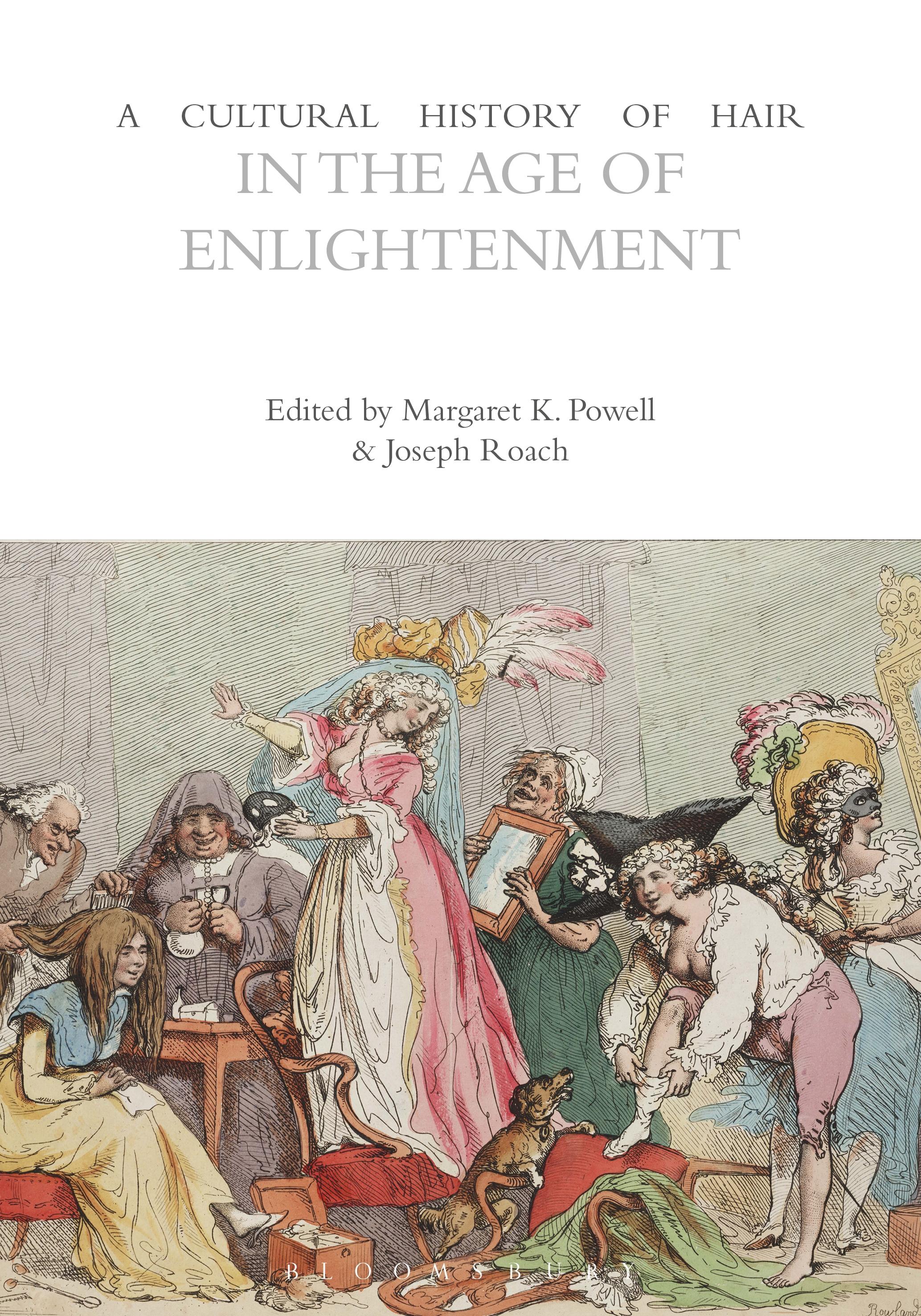
Hair, or lack of it, is one the most significant identifiers of individuals in any society. In Antiquity, the power of hair to send a series of social messages was no different. This volume covers nearly a thousand years of history, from Archaic Greece to the end of the Roman Empire, concentrating on what is now Europe, North Africa, and the Near East. Among the key issues identified by its authors is the recognition that in any given society male and female hair tend to be opposites (when male hair is generally short, women's is long); that hair is a marker of age and stage of life (children and young people have longer, less confined hairstyles; adult hair is far more controlled); hair can be used to identify the 'other' in terms of race and ethnicity but also those who stand outside social norms such as witches and mad women.
The chapters in A Cultural History of Hair in Antiquity cover the following topics: religion and ritualized belief, self and society, fashion and adornment, production and practice, health and hygiene, gender and sexuality, race and ethnicity, class and social status, and cultural representations.
The chapters in A Cultural History of Hair in Antiquity cover the following topics: religion and ritualized belief, self and society, fashion and adornment, production and practice, health and hygiene, gender and sexuality, race and ethnicity, class and social status, and cultural representations.
Maksa helposti kortilla, Klarnalla, Apple Paylla tai Google Paylla. Etkö ole tyytyväinen? Sinulla on aina 14 päivän palautusoikeus. Lue lisää ehdoistamme. Jos sinulla on kysyttävää, lähetä meille sähköpostia osoitteeseen hello@memmo.org.
Memmo tekee opiskelusta helpompaa – missä päin maailmaa ikinä oletkin. Meillä yhdistät kurssikirjat ja fiksut opiskelutyökalut yhteen paikkaan: tiivistelmät, visat, podcastit ja muistikortit. Ja sitten Ted, opiskelukaverisi, joka vastaa kaikkeen, mitä ikinä mietitkin. Yli 50 000 opiskelijaa opiskelee jo täällä – rakennettu auttamaan sinua oppimaan nopeammin ja stressaamaan vähemmän.