
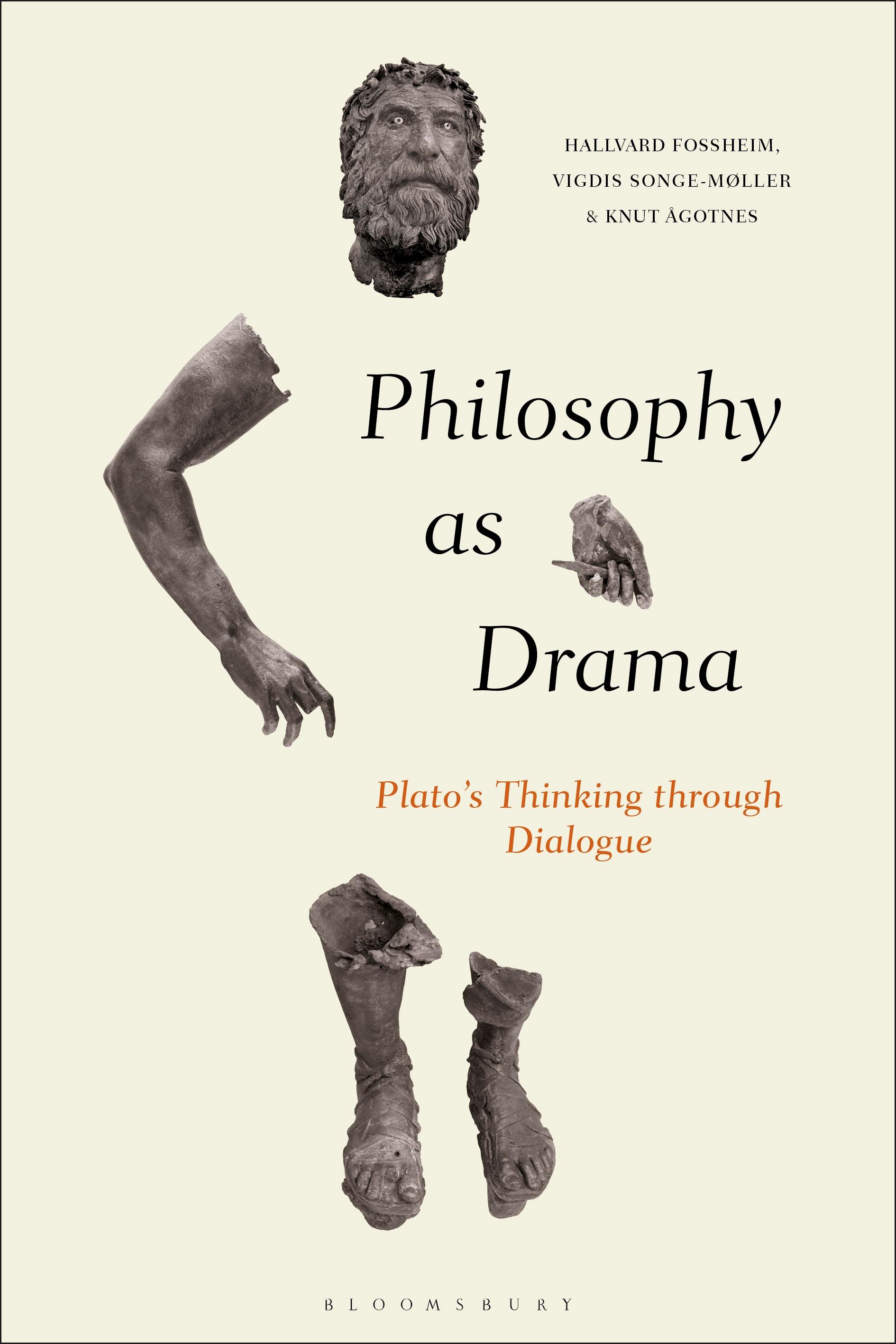
Plato's philosophical dialogues can be seen as his creation of a new genre. Plato borrows from, as well as rejects, earlier and contemporary authors, and he is constantly in conversation with established genres, such as tragedy, comedy, lyric poetry, and rhetoric in a variety of ways. This intertextuality reinforces the relevance of material from other types of literary works, as well as a general knowledge of classical culture in Plato's time, and the political and moral environment that Plato addressed, when reading his dramatic dialogues.
The authors of Philosophy as Drama show that any interpretation of these works must include the literary and narrative dimensions of each text, as much as serious the attention given to the progression of the argument in each piece. Each dialogue is read on its own merit, and critical comparisons of several dialogues explore the differences and likenesses between them on a dramatic as well as on a logical level. This collection of essays moves debates in Plato scholarship forward when it comes to understanding both particular aspects of Plato's dialogues and the approach itself. Containing 11 chapters of close readings of individual dialogues, with 2 chapters discussing specific themes running through them, such as music and sensuousness, pleasure, perception, and images, this book displays the range and diversity within Plato's corpus.
The authors of Philosophy as Drama show that any interpretation of these works must include the literary and narrative dimensions of each text, as much as serious the attention given to the progression of the argument in each piece. Each dialogue is read on its own merit, and critical comparisons of several dialogues explore the differences and likenesses between them on a dramatic as well as on a logical level. This collection of essays moves debates in Plato scholarship forward when it comes to understanding both particular aspects of Plato's dialogues and the approach itself. Containing 11 chapters of close readings of individual dialogues, with 2 chapters discussing specific themes running through them, such as music and sensuousness, pleasure, perception, and images, this book displays the range and diversity within Plato's corpus.
Maksa helposti kortilla, Klarnalla, Apple Paylla tai Google Paylla. Etkö ole tyytyväinen? Sinulla on aina 14 päivän palautusoikeus. Lue lisää ehdoistamme. Jos sinulla on kysyttävää, lähetä meille sähköpostia osoitteeseen hello@memmo.org.
Memmo tekee opiskelusta helpompaa – missä päin maailmaa ikinä oletkin. Meillä yhdistät kurssikirjat ja fiksut opiskelutyökalut yhteen paikkaan: tiivistelmät, visat, podcastit ja muistikortit. Ja sitten Ted, opiskelukaverisi, joka vastaa kaikkeen, mitä ikinä mietitkin. Yli 50 000 opiskelijaa opiskelee jo täällä – rakennettu auttamaan sinua oppimaan nopeammin ja stressaamaan vähemmän.