
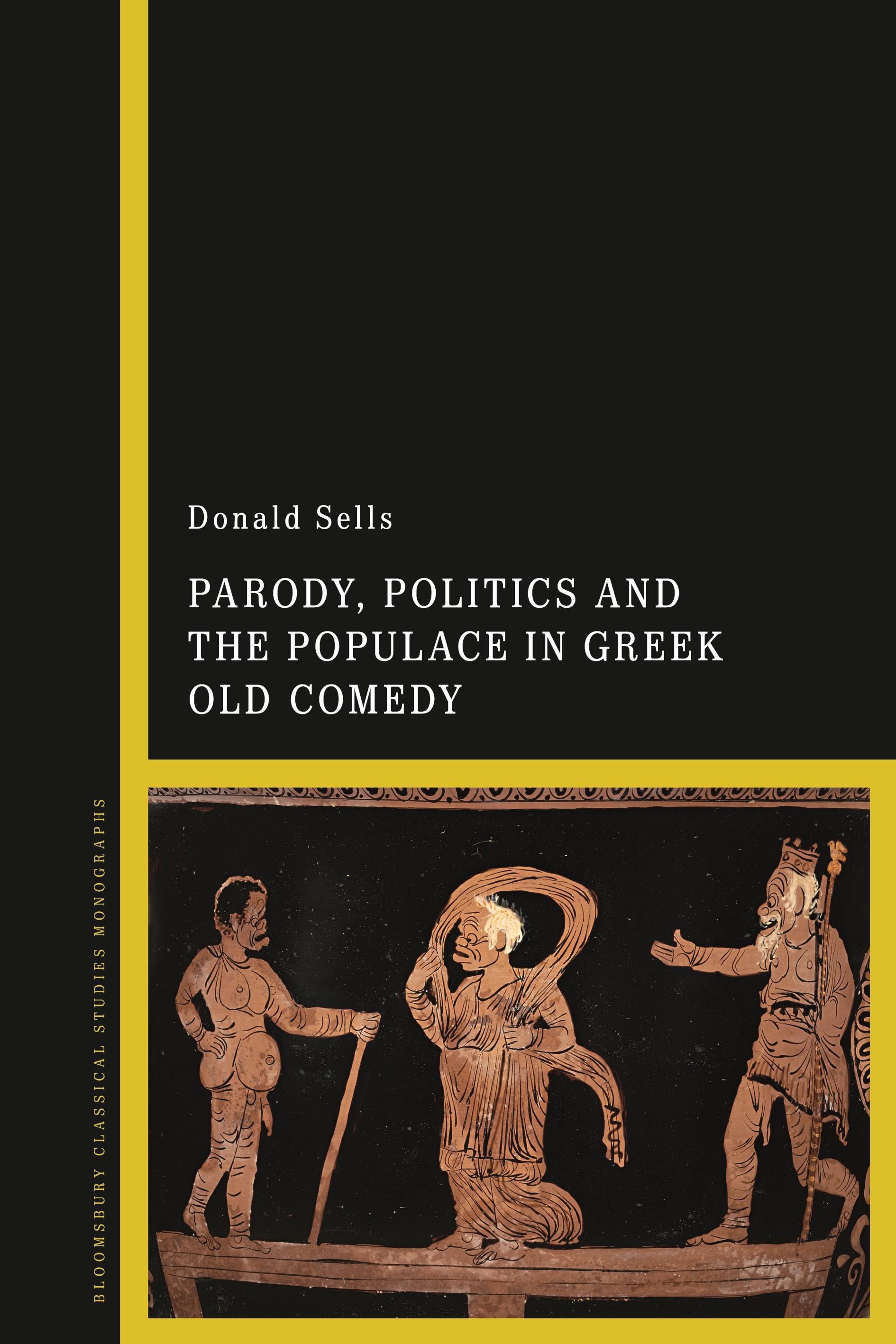
This book argues that Old Comedy's parodic and non-parodic engagement with tragedy, satyr play, and contemporary lyric is geared to enhancing its own status as the preeminent discourse on Athenian art, politics and society. Donald Sells locates the enduring significance of parody in the specific cultural, social and political subtexts that often frame Old Comedy's bold experiments with other genres and drive its rapid evolution in the late fifth century. Close analysis of verbal, visual and narrative strategies reveals the importance of parody and literary appropriation to the particular cultural and political agendas of specific plays.
This study's broader, more flexible definition of parody as a visual – not just verbal – and multi-coded performance represents an important new step in understanding a phenomenon whose richness and diversity exceeds the primarily textual and literary terms by which it is traditionally understood.
This study's broader, more flexible definition of parody as a visual – not just verbal – and multi-coded performance represents an important new step in understanding a phenomenon whose richness and diversity exceeds the primarily textual and literary terms by which it is traditionally understood.
Maksa helposti kortilla, Klarnalla, Apple Paylla tai Google Paylla. Etkö ole tyytyväinen? Sinulla on aina 14 päivän palautusoikeus. Lue lisää ehdoistamme. Jos sinulla on kysyttävää, lähetä meille sähköpostia osoitteeseen hello@memmo.org.
Memmo tekee opiskelusta helpompaa – missä päin maailmaa ikinä oletkin. Meillä yhdistät kurssikirjat ja fiksut opiskelutyökalut yhteen paikkaan: tiivistelmät, visat, podcastit ja muistikortit. Ja sitten Ted, opiskelukaverisi, joka vastaa kaikkeen, mitä ikinä mietitkin. Yli 50 000 opiskelijaa opiskelee jo täällä – rakennettu auttamaan sinua oppimaan nopeammin ja stressaamaan vähemmän.