
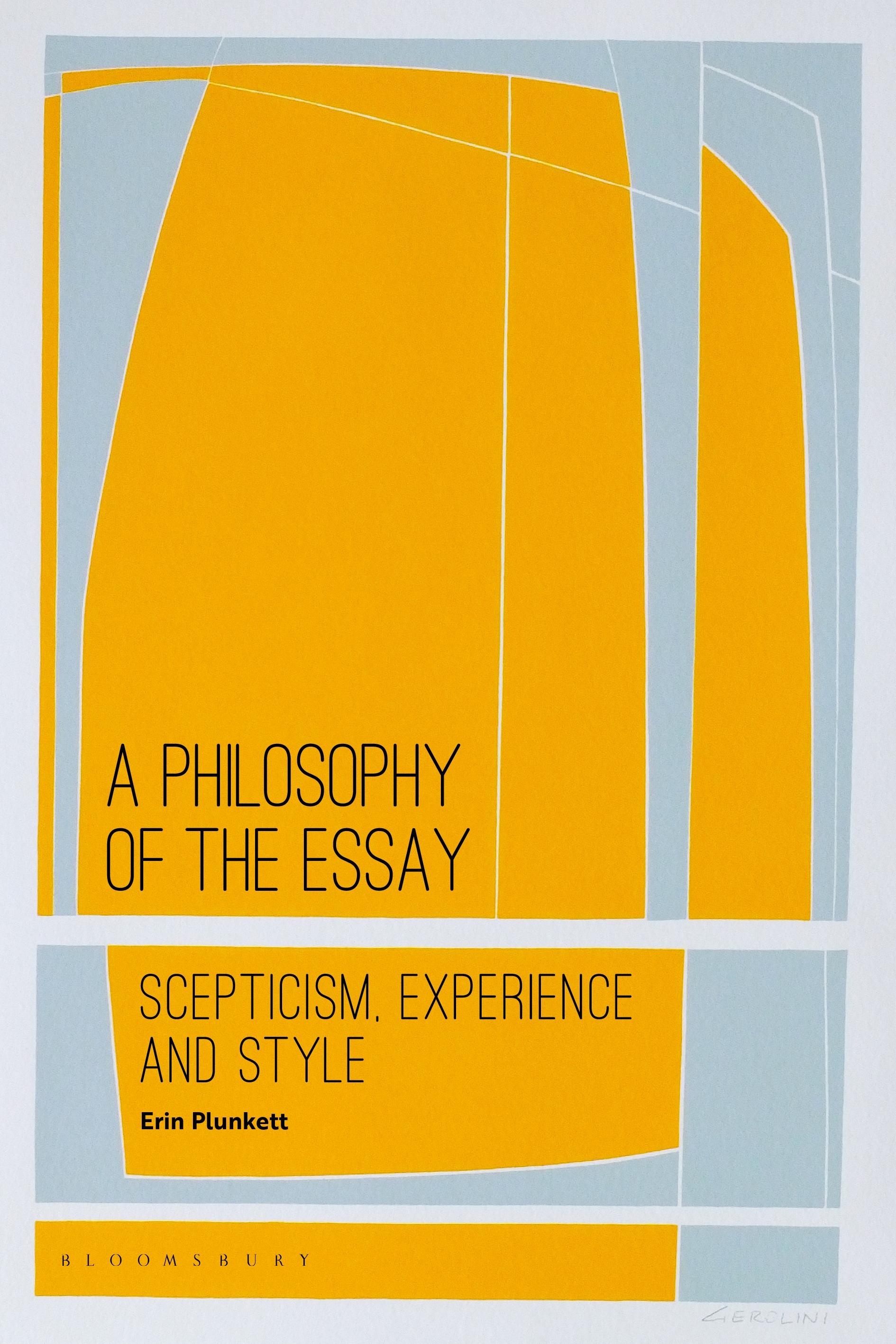
Erin Plunkett draws from both analytic and continental sources to argue for the philosophical relevance of style, making the case that the essay form is uniquely suited to address the sceptical problem. The authors examined here-Montaigne, Hume, the early German Romantics, Kierkegaard and Stanley Cavell-bring into relief the relationship between scepticism and ordinary life and situate the will to know within a broader frame of meaningful human activity. The formal features of the essay call attention to time, subjectivity, and language as the existential conditions of knowledge.
In contrast to foundationalist approaches, which expect philosophy to reach empirical or rational certainty, Plunkett demonstrates through these writings the philosophical advantages of a fragmentary, non-dogmatic style of writing. A Philosophy of the Essay shows how this medium can help us come to terms with the contingency and uncertainty of life.
In contrast to foundationalist approaches, which expect philosophy to reach empirical or rational certainty, Plunkett demonstrates through these writings the philosophical advantages of a fragmentary, non-dogmatic style of writing. A Philosophy of the Essay shows how this medium can help us come to terms with the contingency and uncertainty of life.
Maksa helposti kortilla, Klarnalla, Apple Paylla tai Google Paylla. Etkö ole tyytyväinen? Sinulla on aina 14 päivän palautusoikeus. Lue lisää ehdoistamme. Jos sinulla on kysyttävää, lähetä meille sähköpostia osoitteeseen hello@memmo.org.
Memmo tekee opiskelusta helpompaa – missä päin maailmaa ikinä oletkin. Meillä yhdistät kurssikirjat ja fiksut opiskelutyökalut yhteen paikkaan: tiivistelmät, visat, podcastit ja muistikortit. Ja sitten Ted, opiskelukaverisi, joka vastaa kaikkeen, mitä ikinä mietitkin. Yli 50 000 opiskelijaa opiskelee jo täällä – rakennettu auttamaan sinua oppimaan nopeammin ja stressaamaan vähemmän.