
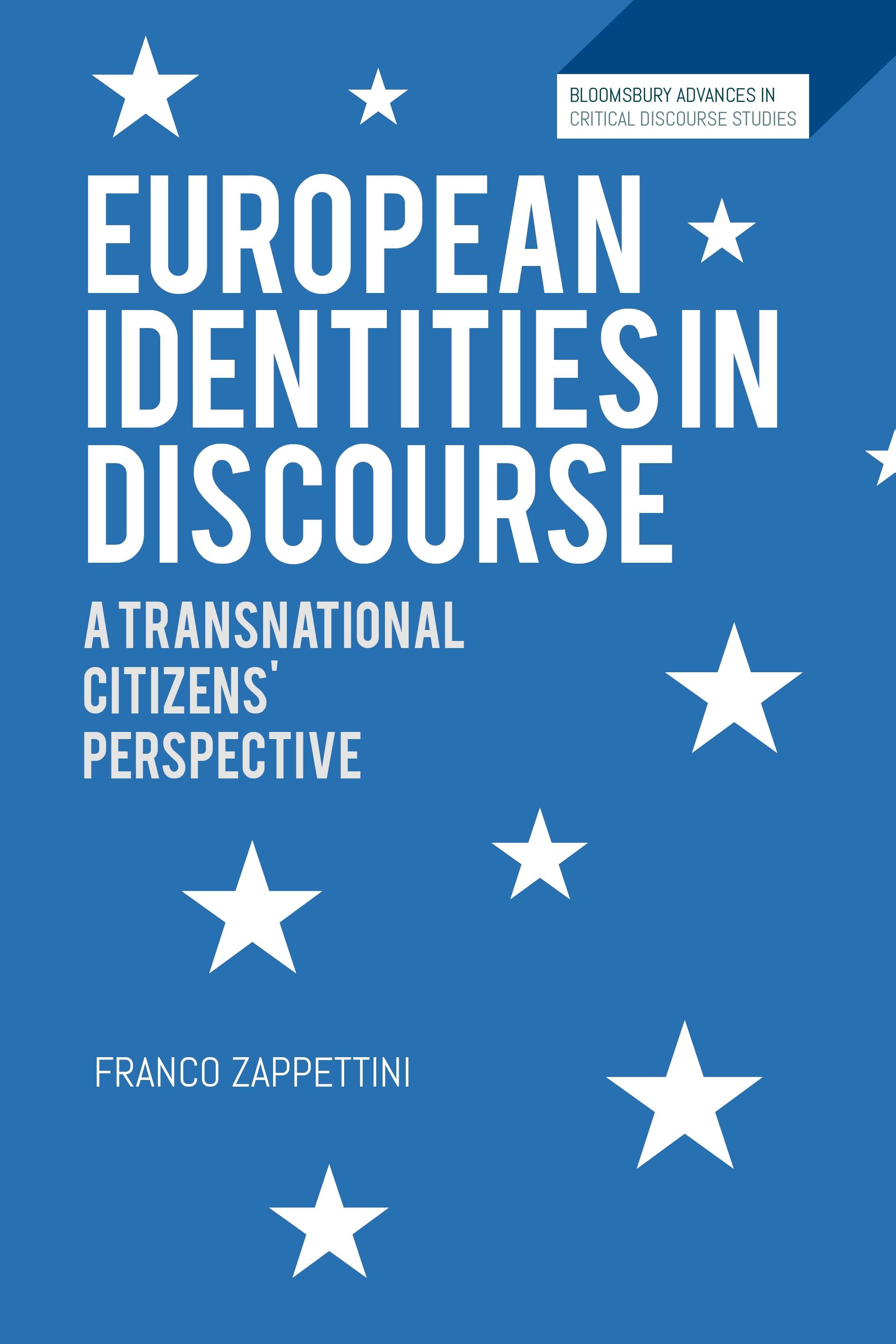
Based on empirical research, this book closely analyses how European identities are discursively produced. It focuses on discourse from members of a civic association active in promoting democracy and attempting participation in the transnational public sphere.
Unlike previous books that have addressed the question of European identity from top-down stances or through methodological nationalism, this book engages with the multifaceted concept of transnationalism as a key to the negotiation of 'glocal' identities. Applying a discourse historical approach (DHA) through a transnational reading, it shows how grassroots actors/speakers construct their different cultural and political affiliations as both world and European citizens. They negotiate institutional identities and historical discourses of nationhood through new forms of mobility, cultural diversity and the imagination of Europe as a proxy for a cosmopolitan civil society. These discourses are ever more important in a fractured and polarised Europe falling prey to contrary discourses of nationhood and ethnic solidarity.
Highlighting how transnational narratives of solidarity and the de-territorialisation of civic participation can impact on the (re)imagination of the European community beyond tropes like 'Fortress Europe' or intragovernmental politics, this important book shows how identification processes must be read through historical and global as well as localised contexts.
Unlike previous books that have addressed the question of European identity from top-down stances or through methodological nationalism, this book engages with the multifaceted concept of transnationalism as a key to the negotiation of 'glocal' identities. Applying a discourse historical approach (DHA) through a transnational reading, it shows how grassroots actors/speakers construct their different cultural and political affiliations as both world and European citizens. They negotiate institutional identities and historical discourses of nationhood through new forms of mobility, cultural diversity and the imagination of Europe as a proxy for a cosmopolitan civil society. These discourses are ever more important in a fractured and polarised Europe falling prey to contrary discourses of nationhood and ethnic solidarity.
Highlighting how transnational narratives of solidarity and the de-territorialisation of civic participation can impact on the (re)imagination of the European community beyond tropes like 'Fortress Europe' or intragovernmental politics, this important book shows how identification processes must be read through historical and global as well as localised contexts.
Maksa helposti kortilla, Klarnalla, Apple Paylla tai Google Paylla. Etkö ole tyytyväinen? Sinulla on aina 14 päivän palautusoikeus. Lue lisää ehdoistamme. Jos sinulla on kysyttävää, lähetä meille sähköpostia osoitteeseen hello@memmo.org.
Memmo tekee opiskelusta helpompaa – missä päin maailmaa ikinä oletkin. Meillä yhdistät kurssikirjat ja fiksut opiskelutyökalut yhteen paikkaan: tiivistelmät, visat, podcastit ja muistikortit. Ja sitten Ted, opiskelukaverisi, joka vastaa kaikkeen, mitä ikinä mietitkin. Yli 50 000 opiskelijaa opiskelee jo täällä – rakennettu auttamaan sinua oppimaan nopeammin ja stressaamaan vähemmän.