
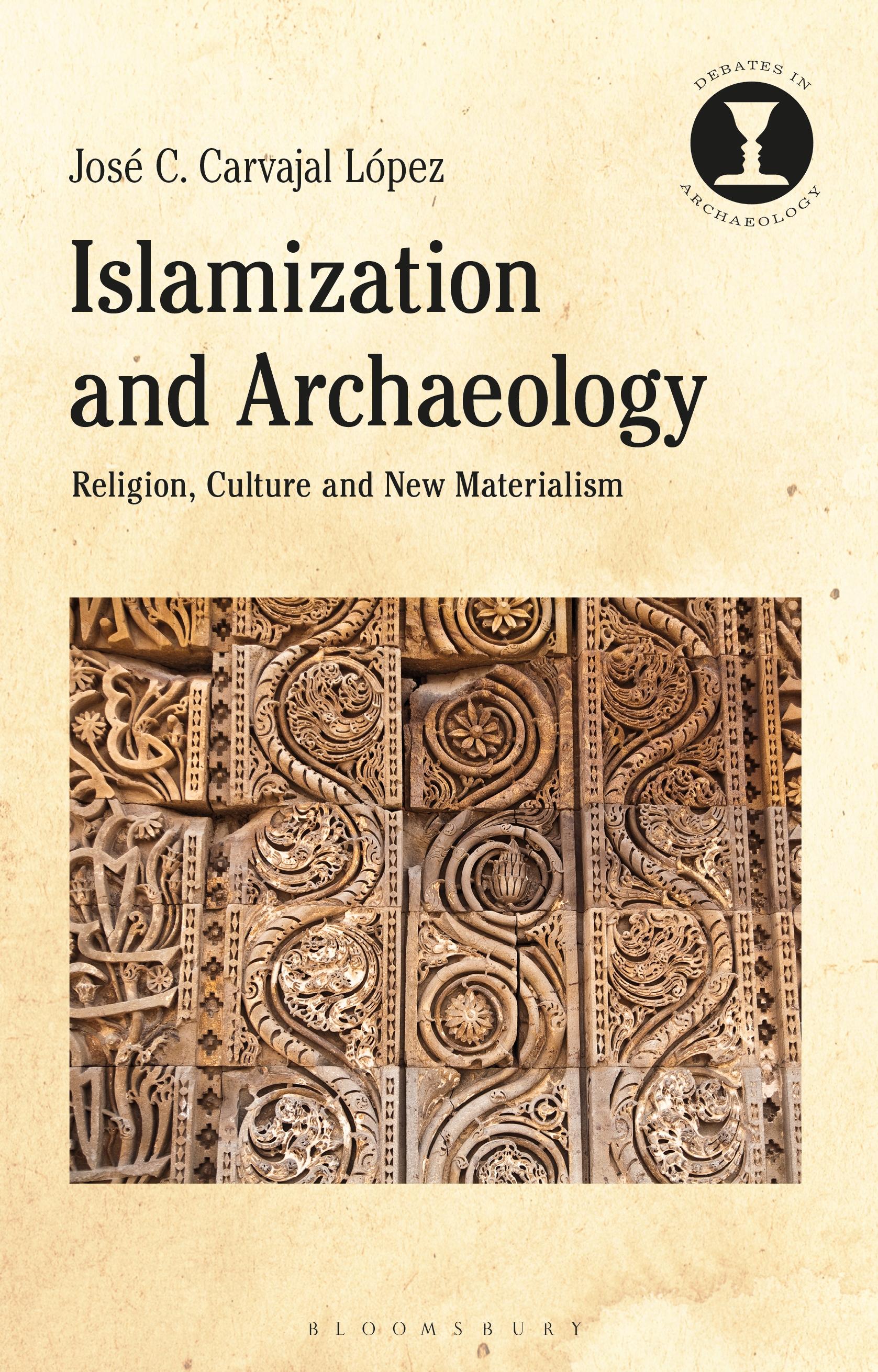
This fresh approach to the study of Islamization proposes an innovative conceptual framework that treats the subject as a particular case of cultural change. The aim of the volume is to make Islamization amenable to archaeological and historical analyses of changes in material conditions of life without forsaking the specific history of Islam. Islam and Islamization must be understood in their particular social context, but also in relation to the conditions that hold them together over large geographical and chronological expanses.
Archaeologists and historians have considered Islamization from a range of different perspectives, from conversion to cultural change, though these studies have tended to be underpinned by a normativist conception of Islam. In contrast, José C. Carvajal López takes a hermeneutical stance, wherein Islam is the result of exploration, and adopts a New Materialist theoretical analysis to explore Islamization and its impact on identities, communities and their material culture. The consequences for the study of Islamization are examined through examples that include some of the author's own experiences.
This innovative take on Islamization is not exclusively interested in the spread of the religion or of the polity, and therefore it overcomes the theoretical limits imposed by the concepts of religious conversion and ideological imposition. This book will appeal to scholars interested in associating cultural and religious change and, in particular, those working on Islam, whether within or outside the discipline of archaeology.
Archaeologists and historians have considered Islamization from a range of different perspectives, from conversion to cultural change, though these studies have tended to be underpinned by a normativist conception of Islam. In contrast, José C. Carvajal López takes a hermeneutical stance, wherein Islam is the result of exploration, and adopts a New Materialist theoretical analysis to explore Islamization and its impact on identities, communities and their material culture. The consequences for the study of Islamization are examined through examples that include some of the author's own experiences.
This innovative take on Islamization is not exclusively interested in the spread of the religion or of the polity, and therefore it overcomes the theoretical limits imposed by the concepts of religious conversion and ideological imposition. This book will appeal to scholars interested in associating cultural and religious change and, in particular, those working on Islam, whether within or outside the discipline of archaeology.
Maksa helposti kortilla, Klarnalla, Apple Paylla tai Google Paylla. Etkö ole tyytyväinen? Sinulla on aina 14 päivän palautusoikeus. Lue lisää ehdoistamme. Jos sinulla on kysyttävää, lähetä meille sähköpostia osoitteeseen hello@memmo.org.
Memmo tekee opiskelusta helpompaa – missä päin maailmaa ikinä oletkin. Meillä yhdistät kurssikirjat ja fiksut opiskelutyökalut yhteen paikkaan: tiivistelmät, visat, podcastit ja muistikortit. Ja sitten Ted, opiskelukaverisi, joka vastaa kaikkeen, mitä ikinä mietitkin. Yli 50 000 opiskelijaa opiskelee jo täällä – rakennettu auttamaan sinua oppimaan nopeammin ja stressaamaan vähemmän.