
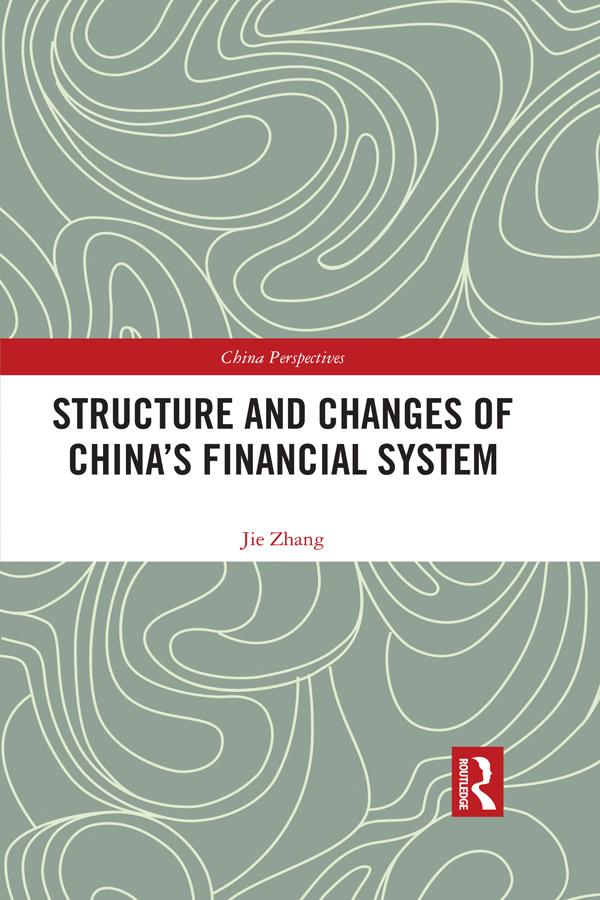
By virtue of several theoretical models and hypotheses, this book is one of the earliest studies which systematically investigates the structure and changes of China’s financial institutions.
To begin with, it examines the relation between state utility function and China’s economic growth, and reveals the formation and transition of China’s state-owned financial institutional arrangements. Based on this analysis, the author studies the influence of monetization on the arrangements, and the financial support to China’s gradual reform which have long been neglected by researchers. Also, the model of money demand that can explain the specific conditions of the gradual reform is built, as the neoclassical framework has been incapable of explaining China’s financial performance. In the last chapter, it discusses the dilemma of property rights under the state-owned financial system, with the establishment of the credit equilibrium model and the dual model of bad debts.
With insightful theoretical analysis and empirical researches, this book will appeal to scholars and students in finance, economics and economic history.
Maksa helposti kortilla, Klarnalla, Apple Paylla tai Google Paylla. Etkö ole tyytyväinen? Sinulla on aina 14 päivän palautusoikeus. Lue lisää ehdoistamme. Jos sinulla on kysyttävää, lähetä meille sähköpostia osoitteeseen hello@memmo.org.
Memmo tekee opiskelusta helpompaa – missä päin maailmaa ikinä oletkin. Meillä yhdistät kurssikirjat ja fiksut opiskelutyökalut yhteen paikkaan: tiivistelmät, visat, podcastit ja muistikortit. Ja sitten Ted, opiskelukaverisi, joka vastaa kaikkeen, mitä ikinä mietitkin. Yli 50 000 opiskelijaa opiskelee jo täällä – rakennettu auttamaan sinua oppimaan nopeammin ja stressaamaan vähemmän.