
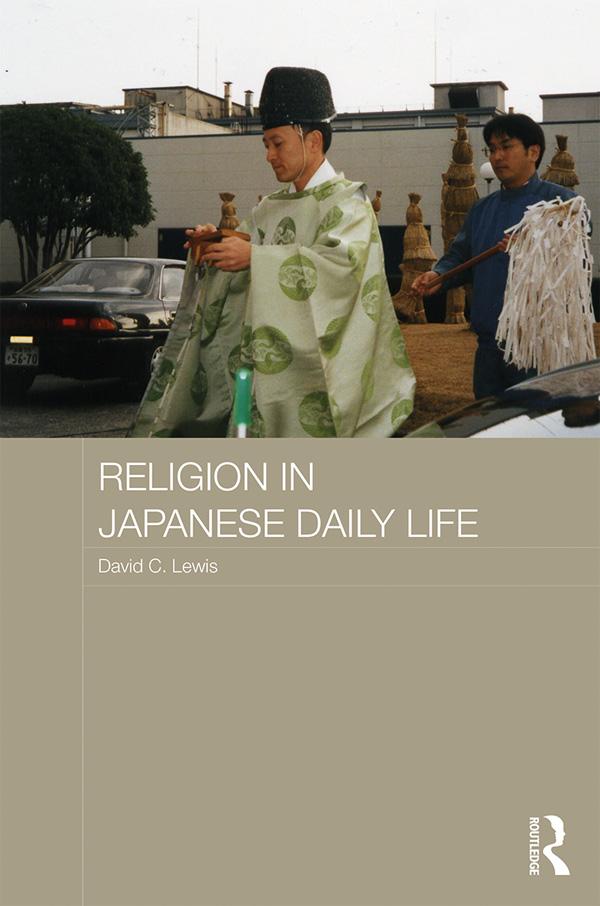
Are Japanese people religious – and, if so, in what ways? David Lewis addresses this question from the perspective of ordinary Japanese people in the context of their life cycles, and explores why they engage in religious activities. He not only discusses how Japanese people engage in different religious practices as they encounter new events in their lives but also analyses the attitudes and motivations behind their behaviour. Activities such as fortune-telling, religious rites in the workplace, ancestral rites and visits to shrines and temples are actually engaged in by many people who view themselves as ‘non- religious’ but express their motivations in terms other than the conventional ‘religious’ ones. This book outlines the religious options available, and assesses why people choose particular religious activities at various times in their lives or in specific circumstances. The author challenges some widespread assumptions about religion in urban and industrial contexts and also shows how some of the underlying motivations behind Japanese behaviour are expressed both in religious and non-religious forms.
Maksa helposti kortilla, Klarnalla, Apple Paylla tai Google Paylla. Etkö ole tyytyväinen? Sinulla on aina 14 päivän palautusoikeus. Lue lisää ehdoistamme. Jos sinulla on kysyttävää, lähetä meille sähköpostia osoitteeseen hello@memmo.org.
Memmo tekee opiskelusta helpompaa – missä päin maailmaa ikinä oletkin. Meillä yhdistät kurssikirjat ja fiksut opiskelutyökalut yhteen paikkaan: tiivistelmät, visat, podcastit ja muistikortit. Ja sitten Ted, opiskelukaverisi, joka vastaa kaikkeen, mitä ikinä mietitkin. Yli 50 000 opiskelijaa opiskelee jo täällä – rakennettu auttamaan sinua oppimaan nopeammin ja stressaamaan vähemmän.