
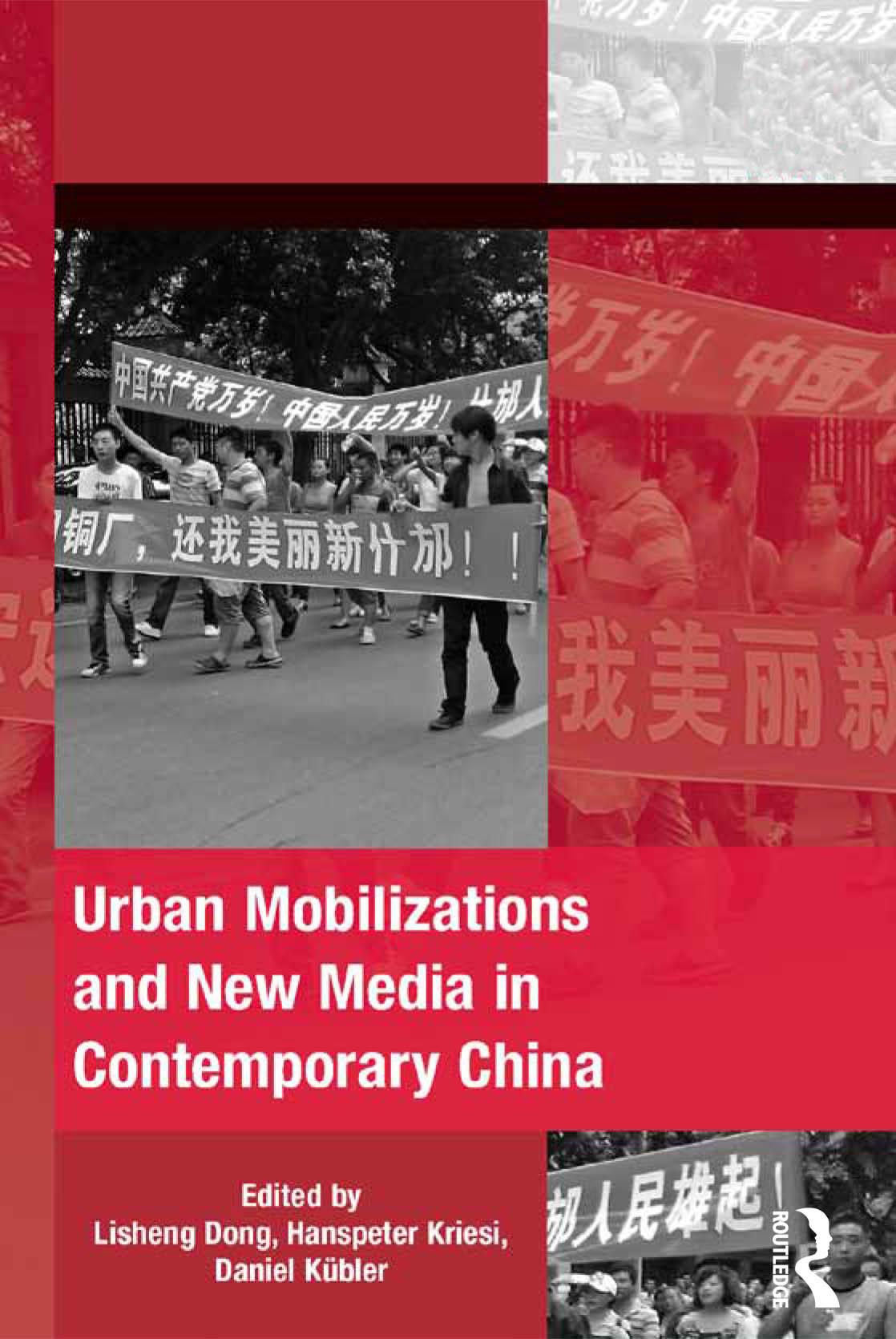
Popular protests are on the rise in China. However, since protesters rely on existing channels of participation and on patronage by elite backers, the state has been able to stymie attempts to generalize resistance and no large scale political movements have significantly challenged party rule. Yet the Chinese state is not monolithic. Decentralization has increased the power of local authorities, creating space for policy innovations and opening up the political opportunity structure. Popular protest in China - particularly in urban realm- not only benefits from the political fragmentation of the state, but also from the political communications revolution. The question of how and to what extent the internet can be used for mobilizing popular resistance in China is hotly debated. The government, virtual social organizations, and individual netizens both cooperate and compete with each other on the web. New media both increases the scope of the mobilizers and the mobilized (thereby creating new social capital), and provides the government with new means of social control (thereby limiting the political impact of the growing social capital). This volume is the first of its kind to assess the ways new media influence the mobilization of popular resistance and its possible effects in China today.
Maksa helposti kortilla, Klarnalla, Apple Paylla tai Google Paylla. Etkö ole tyytyväinen? Sinulla on aina 14 päivän palautusoikeus. Lue lisää ehdoistamme. Jos sinulla on kysyttävää, lähetä meille sähköpostia osoitteeseen hello@memmo.org.
Memmo tekee opiskelusta helpompaa – missä päin maailmaa ikinä oletkin. Meillä yhdistät kurssikirjat ja fiksut opiskelutyökalut yhteen paikkaan: tiivistelmät, visat, podcastit ja muistikortit. Ja sitten Ted, opiskelukaverisi, joka vastaa kaikkeen, mitä ikinä mietitkin. Yli 50 000 opiskelijaa opiskelee jo täällä – rakennettu auttamaan sinua oppimaan nopeammin ja stressaamaan vähemmän.
Saatat pitää myös näistä
Osta kirja0