
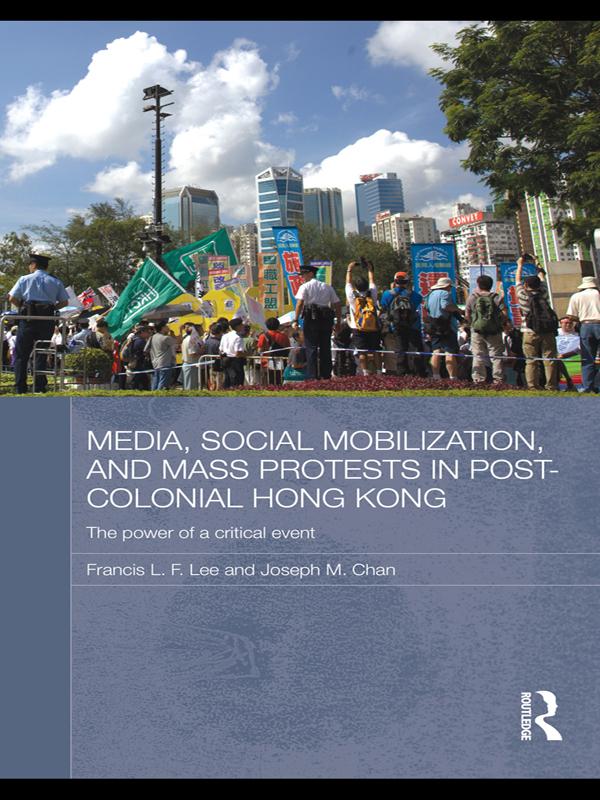
Since 2003, Hong Kong has witnessed a series of large-scale protests which have constituted the core of a reinvigorated pro-democracy movement. What drove tens of thousands of citizens to the street on a yearly basis to protest? What were the social and organizational bases of the protest movement? How did media and public discourses affect the protests’ formation and mobilization? How did the protesters understand their own actions and the political environment? This book tackles such questions by using a wide range of methods, including population and protest onsite surveys, media content analysis, and in-depth interviews with activists, politicians, and protest participants. It provides an account of the "self-mobilization processes" behind the historic July 1, 2003 protest, and how the protest kick-started new political dynamics and discursive contestations in the public arena which not only turned a single protest into a series of collective actions constituting a movement, but also continually shaped the movement’s characteristics and influence. The book is highly pertinent to readers interested in political development in Hong Kong, and as a case study on "the power of critical events," the book also has broad implications on the study of both media politics and social movements in general.
Maksa helposti kortilla, Klarnalla, Apple Paylla tai Google Paylla. Etkö ole tyytyväinen? Sinulla on aina 14 päivän palautusoikeus. Lue lisää ehdoistamme. Jos sinulla on kysyttävää, lähetä meille sähköpostia osoitteeseen hello@memmo.org.
Memmo tekee opiskelusta helpompaa – missä päin maailmaa ikinä oletkin. Meillä yhdistät kurssikirjat ja fiksut opiskelutyökalut yhteen paikkaan: tiivistelmät, visat, podcastit ja muistikortit. Ja sitten Ted, opiskelukaverisi, joka vastaa kaikkeen, mitä ikinä mietitkin. Yli 50 000 opiskelijaa opiskelee jo täällä – rakennettu auttamaan sinua oppimaan nopeammin ja stressaamaan vähemmän.