
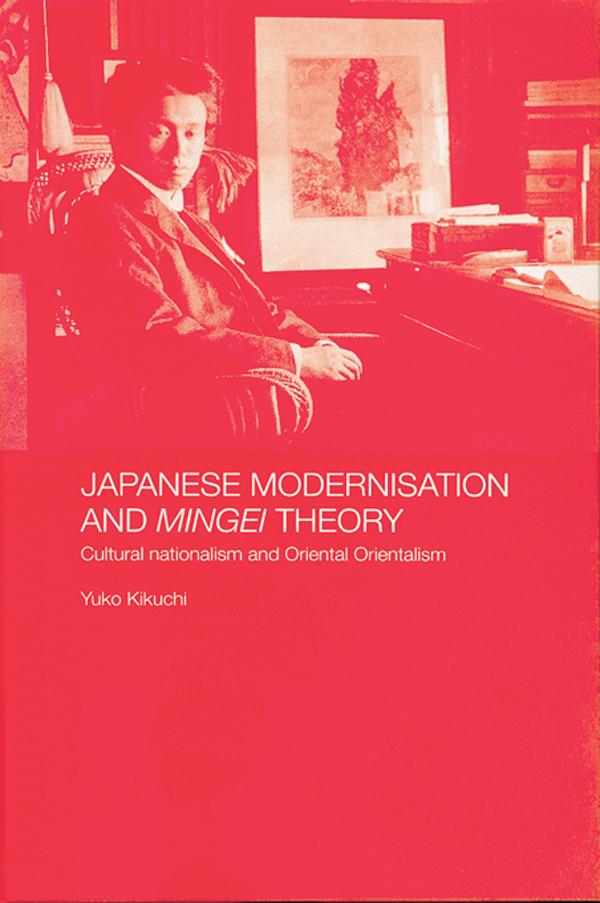
Conceptualised in 1920s Japan by Yanagi Sôetsu, the Mingei movement has spread world wide since the 1950s, creating phenomena as diverse as Mingei museums, Mingei connoisseurs and collectors, Mingei shops and Mingei restaurants. The theory, at its core and its adaptation by Bernard Leach, has long been an influential 'Oriental' aesthetic for studio craft artists in the West. But why did Mingei become so particularly influential to a western audience? And could the 'Orientalness' perceived in Mingei theory be nothing more than a myth? This richly illustrated work offers controversial new evidence through its cross-cultural examination of a wide range of materials in Japanese, English, Korean and Chinese, bringing about startling new conclusions concerning Japanese modernization and cultural authenticity. This new interpretation of the Mingei movement will appeal to scholars of Japanese art history as well as those with interests in cultural identity in non-Western cultures.
Maksa helposti kortilla, Klarnalla, Apple Paylla tai Google Paylla. Etkö ole tyytyväinen? Sinulla on aina 14 päivän palautusoikeus. Lue lisää ehdoistamme. Jos sinulla on kysyttävää, lähetä meille sähköpostia osoitteeseen hello@memmo.org.
Memmo tekee opiskelusta helpompaa – missä päin maailmaa ikinä oletkin. Meillä yhdistät kurssikirjat ja fiksut opiskelutyökalut yhteen paikkaan: tiivistelmät, visat, podcastit ja muistikortit. Ja sitten Ted, opiskelukaverisi, joka vastaa kaikkeen, mitä ikinä mietitkin. Yli 50 000 opiskelijaa opiskelee jo täällä – rakennettu auttamaan sinua oppimaan nopeammin ja stressaamaan vähemmän.
Saatat pitää myös näistä
Osta kirja0