
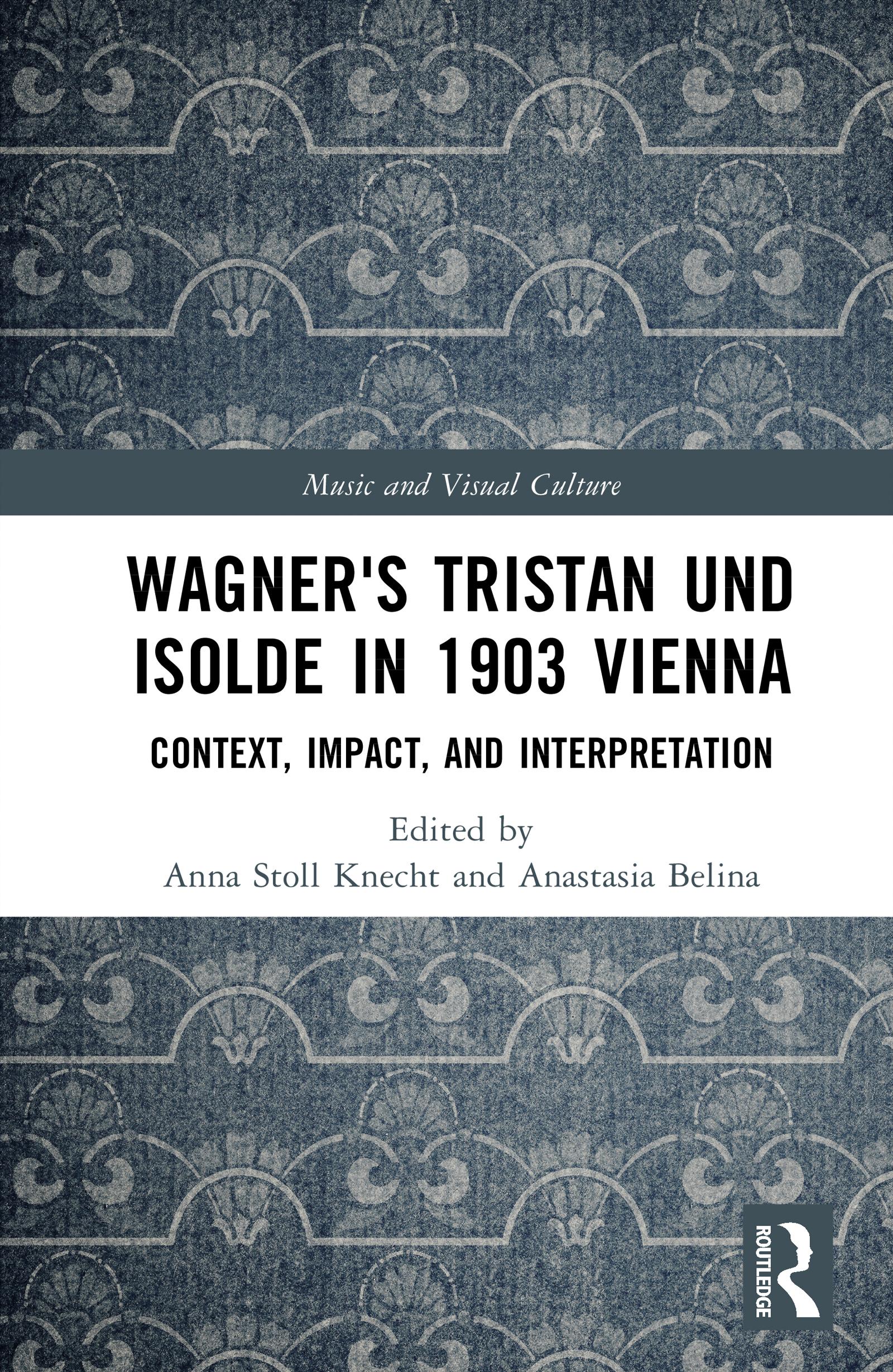
This volume uses the historic staging and legacy of the 1903 production of Richard Wagner's Tristan und Isolde, directed and conducted by Gustav Mahler, to explore a wide range of interdisciplinary issues in the history of the opera, performance, and the reception and interpretation of Wagner's work.
The production marked a turning point in twentieth-century opera, as Mahler and the designer Alfred Roller broke with nineteenth-century naturalistic traditions and used new technologies to transform the aural and visual experience of opera. With chapters contributed by scholars from musicology, art history, theatre studies, and other disciplines, this book provides a uniquely multifaceted perspective on Wagner's opera in the historical setting of the early twentieth century. Chapters in the first part address specific aspects of the 1903 production, including staging, lighting, and performance practice, while the second part sets the production in wider political, artistic, and literary context. Together, they show how the visual and musical elements of the staging interacted to express new artistic philosophies. Enriching our understanding of Wagner, stage history, and the cultural ferment emerging from fin-de-siècle Vienna, this book will be of interest to researchers of music, theatre, and performance studies, and art and cultural history.
Maksa helposti kortilla, Klarnalla, Apple Paylla tai Google Paylla. Etkö ole tyytyväinen? Sinulla on aina 14 päivän palautusoikeus. Lue lisää ehdoistamme. Jos sinulla on kysyttävää, lähetä meille sähköpostia osoitteeseen hello@memmo.org.
Memmo tekee opiskelusta helpompaa – missä päin maailmaa ikinä oletkin. Meillä yhdistät kurssikirjat ja fiksut opiskelutyökalut yhteen paikkaan: tiivistelmät, visat, podcastit ja muistikortit. Ja sitten Ted, opiskelukaverisi, joka vastaa kaikkeen, mitä ikinä mietitkin. Yli 50 000 opiskelijaa opiskelee jo täällä – rakennettu auttamaan sinua oppimaan nopeammin ja stressaamaan vähemmän.