
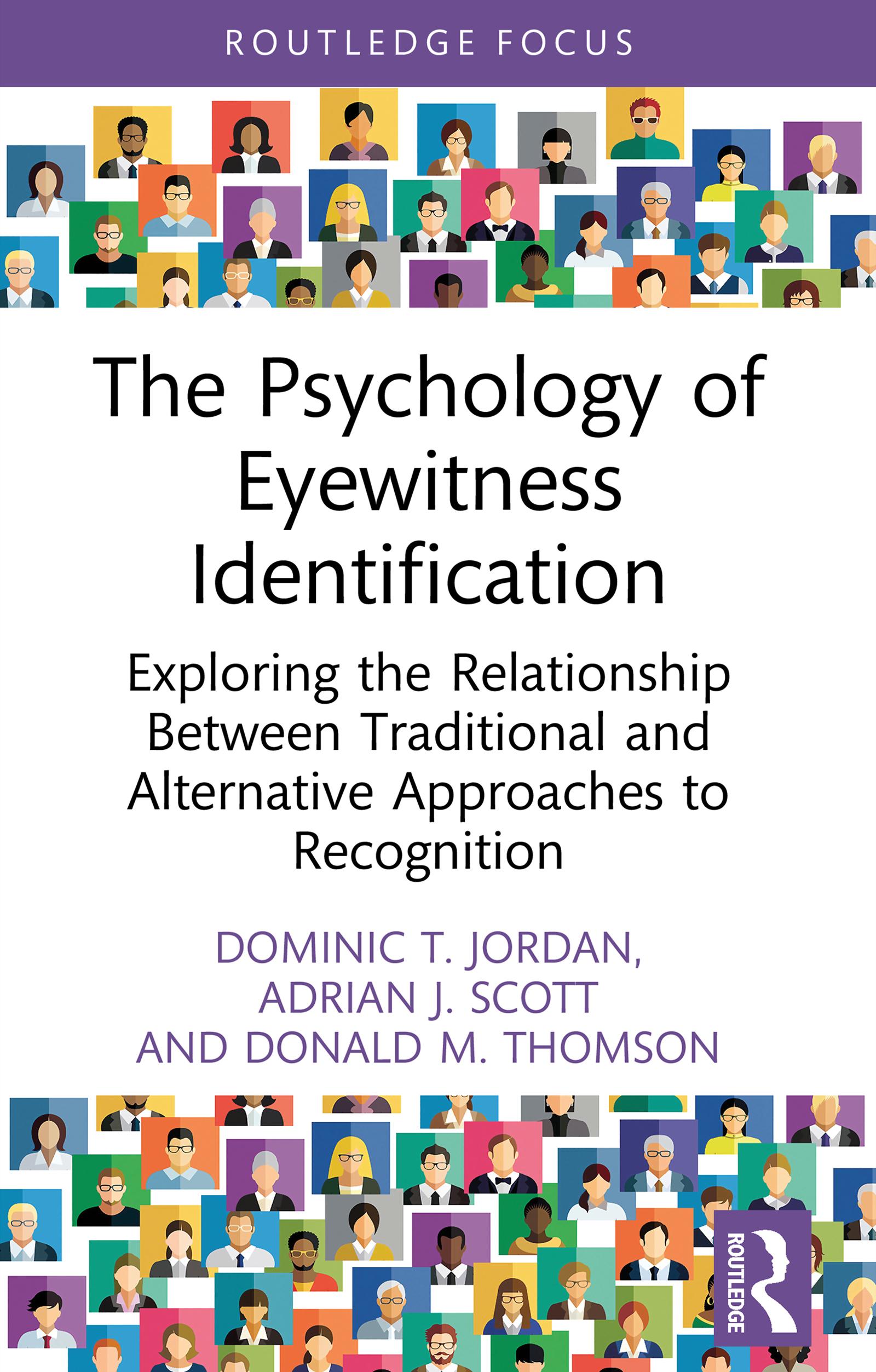
Arguing for a need to modify investigatory and legal processes so that they align with the capabilities of witnesses and reflect the memorial and decision processes that inform recognition judgements, this book examines two radical alternative approaches to lineup-based recognition that do not require witnesses to identify a perpetrator: Non–categorical confidence and non–categorical similarity judgements.
Using empirical data, the authors explore the relationship between identification decisions, confidence judgements, and similarity judgements in lineup–based recognition tasks and reflect on whether similarity underpins more complex judgements of identity and confidence. They also examine the practical utility of confidence and similarity judgements and consider how such alternatives might be conceptualised in a legal context. This book draws on the areas of psychology and law to outline the key issues of identification and calls for a revision in how we think about, obtain, and present eyewitness evidence from lineups.
Prompting a consideration of new solutions and concepts to help witness errors become a problem of the past, The Psychology of Eyewitness Identification will be of great interest to students, scholars, and practitioners across the fields of criminal justice, psychology, and law, and particularly those with a focus on eyewitness identification.
Maksa helposti kortilla, Klarnalla, Apple Paylla tai Google Paylla. Etkö ole tyytyväinen? Sinulla on aina 14 päivän palautusoikeus. Lue lisää ehdoistamme. Jos sinulla on kysyttävää, lähetä meille sähköpostia osoitteeseen hello@memmo.org.
Memmo tekee opiskelusta helpompaa – missä päin maailmaa ikinä oletkin. Meillä yhdistät kurssikirjat ja fiksut opiskelutyökalut yhteen paikkaan: tiivistelmät, visat, podcastit ja muistikortit. Ja sitten Ted, opiskelukaverisi, joka vastaa kaikkeen, mitä ikinä mietitkin. Yli 50 000 opiskelijaa opiskelee jo täällä – rakennettu auttamaan sinua oppimaan nopeammin ja stressaamaan vähemmän.