
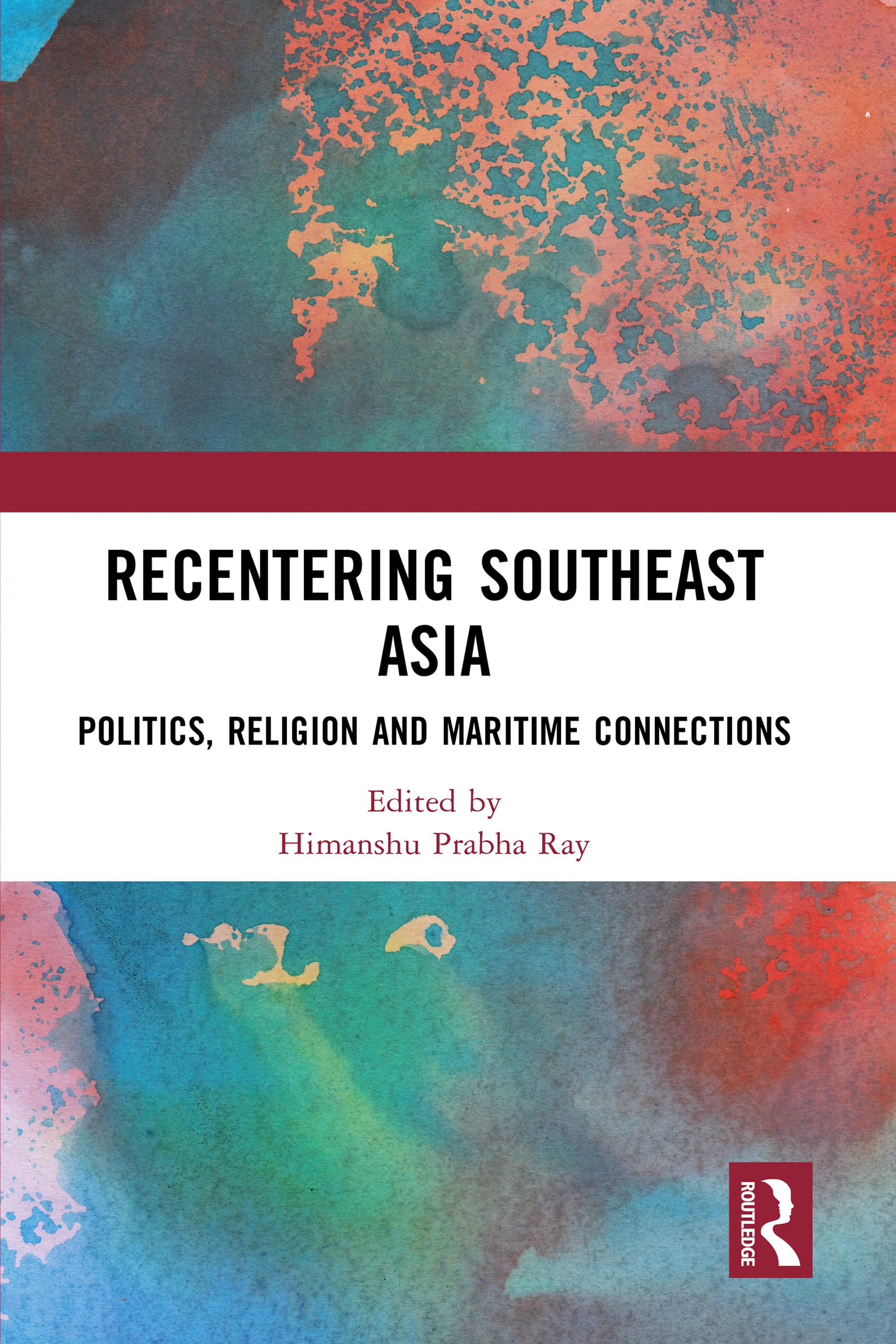
This book assesses the impact of European colonization in the late 19th and early 20th century in ‘restructuring’ the shared past of India and Southeast Asia. It provides case studies that transcend colonial constructs and adopt newer approaches to understanding the shared past. The authors explore these developments through the lens of political figures like Jawaharlal Nehru (1889–1964) and re-examine themes such as the Greater India Society (1926–1959) established in Calcutta, and the role of Buddhism in post-World War II connections, as the repatriation of the mortal remains of Japanese soldiers killed in Burma (Myanmar) acquired urgency.
Drawing on a diverse range of sources including archaeology, Buddhist texts, the afterlives of the Hindu temples, maritime networks, and inscriptions from Vietnam and central India, the book will be an essential read for scholars and researchers of history, Buddhism, archaeology, heritage studies, cultural studies, and political history as well as South and Southeast Asian history.
Maksa helposti kortilla, Klarnalla, Apple Paylla tai Google Paylla. Etkö ole tyytyväinen? Sinulla on aina 14 päivän palautusoikeus. Lue lisää ehdoistamme. Jos sinulla on kysyttävää, lähetä meille sähköpostia osoitteeseen hello@memmo.org.
Memmo tekee opiskelusta helpompaa – missä päin maailmaa ikinä oletkin. Meillä yhdistät kurssikirjat ja fiksut opiskelutyökalut yhteen paikkaan: tiivistelmät, visat, podcastit ja muistikortit. Ja sitten Ted, opiskelukaverisi, joka vastaa kaikkeen, mitä ikinä mietitkin. Yli 50 000 opiskelijaa opiskelee jo täällä – rakennettu auttamaan sinua oppimaan nopeammin ja stressaamaan vähemmän.