
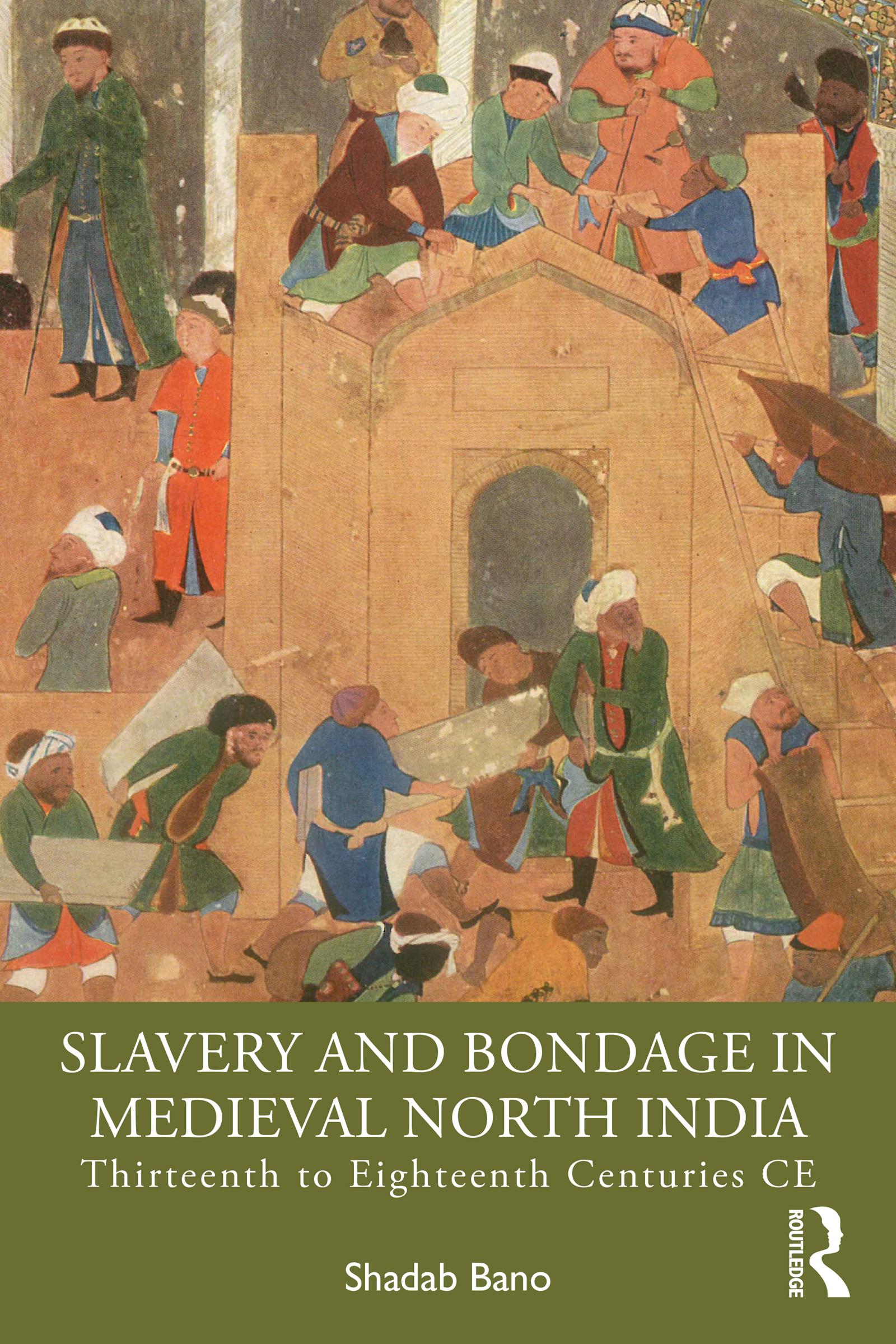
This book examines slavery in India from the Turkish conquest of North India to the centuries of Mughal rule. It focuses on the northern Islamic regimes’ treatment of slavery but not limited or determined by the actions and demands of the ruling class alone. Societies normalized the practices, and the norms were socially constituted, which included slaves’ acceptance, resistance, and use of agency in the process. It shows how the transformations on the ground made the social-economic and ethical environment of slavery no longer the same over the centuries and the expansion or contraction of slavery corresponded to the structural changes and ethical developments specific to the Indian milieu.
The volume will be of great interest to scholars and researchers of South Asian studies, history and slavery.
Maksa helposti kortilla, Klarnalla, Apple Paylla tai Google Paylla. Etkö ole tyytyväinen? Sinulla on aina 14 päivän palautusoikeus. Lue lisää ehdoistamme. Jos sinulla on kysyttävää, lähetä meille sähköpostia osoitteeseen hello@memmo.org.
Memmo tekee opiskelusta helpompaa – missä päin maailmaa ikinä oletkin. Meillä yhdistät kurssikirjat ja fiksut opiskelutyökalut yhteen paikkaan: tiivistelmät, visat, podcastit ja muistikortit. Ja sitten Ted, opiskelukaverisi, joka vastaa kaikkeen, mitä ikinä mietitkin. Yli 50 000 opiskelijaa opiskelee jo täällä – rakennettu auttamaan sinua oppimaan nopeammin ja stressaamaan vähemmän.