
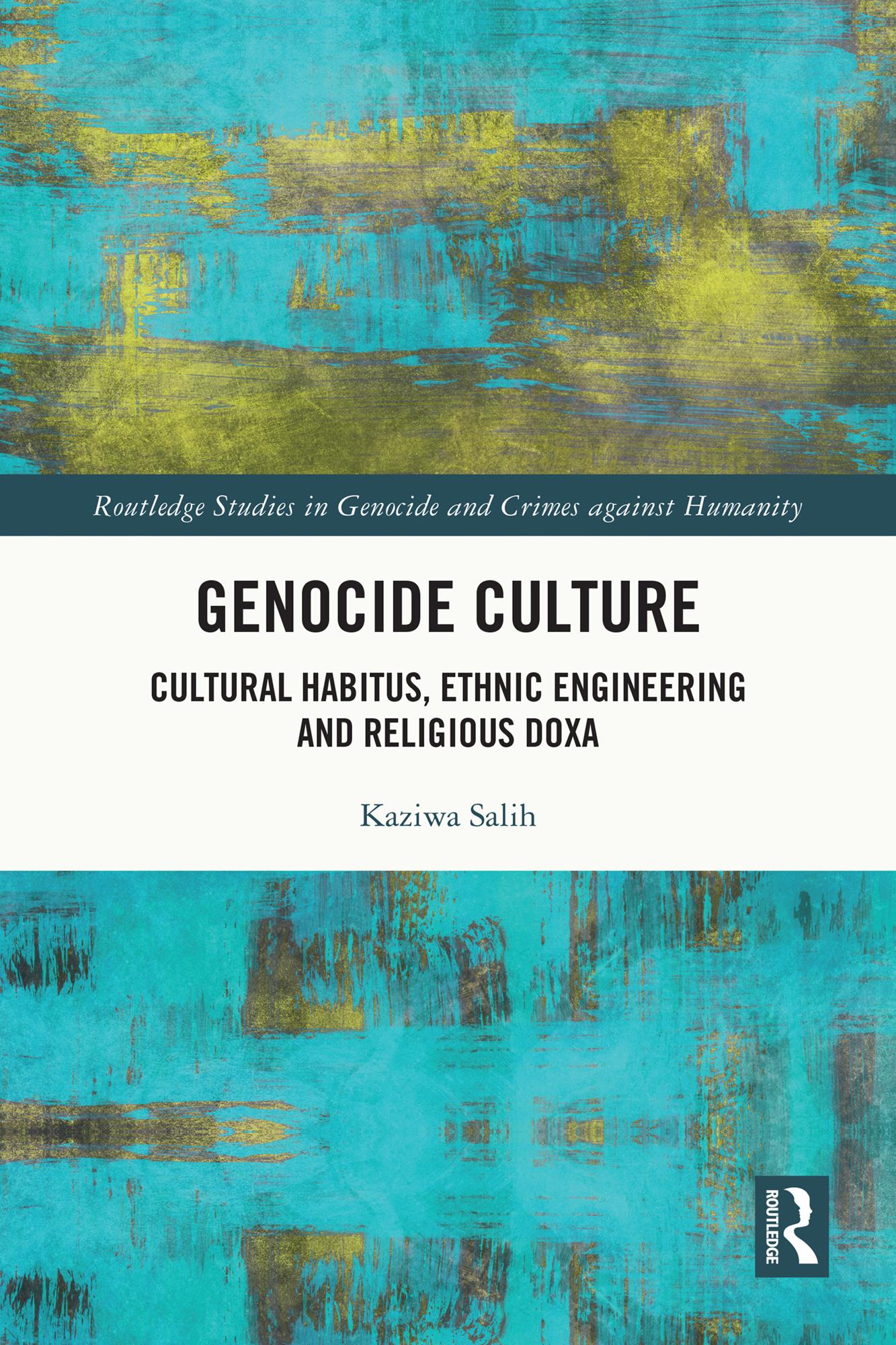
This book considers different stages of Kurdish history, oppression, and genocide through a critical lens, offering an historiography of Iraq and colonialism. Divided into two parts, the first part conceptualizes the coined term “genocide culture” and examines dominant Iraqi cultural practices that fostered genocide. The second part contextualizes the experiences of the Kurdish community to examine the effects of cultural practices and the role of “civilian actors” in fueling the extermination of targeted groups.
Through semi-structured interviews, primary archival documents, and nonparticipant observation, the author studies the links between everyday cultural practices and microaggression in general and the nexus between the state and the general population in the implementation of macroaggression and genocide. The audience will include scholars and students interested in genocide studies and the relation of both genocide and culture to histories of colonialism, as well as those working in the fields of violence and cultural psychology, sociology, history, international relations, ethnic conflict, and Middle Eastern studies.
Maksa helposti kortilla, Klarnalla, Apple Paylla tai Google Paylla. Etkö ole tyytyväinen? Sinulla on aina 14 päivän palautusoikeus. Lue lisää ehdoistamme. Jos sinulla on kysyttävää, lähetä meille sähköpostia osoitteeseen hello@memmo.org.
Memmo tekee opiskelusta helpompaa – missä päin maailmaa ikinä oletkin. Meillä yhdistät kurssikirjat ja fiksut opiskelutyökalut yhteen paikkaan: tiivistelmät, visat, podcastit ja muistikortit. Ja sitten Ted, opiskelukaverisi, joka vastaa kaikkeen, mitä ikinä mietitkin. Yli 50 000 opiskelijaa opiskelee jo täällä – rakennettu auttamaan sinua oppimaan nopeammin ja stressaamaan vähemmän.