
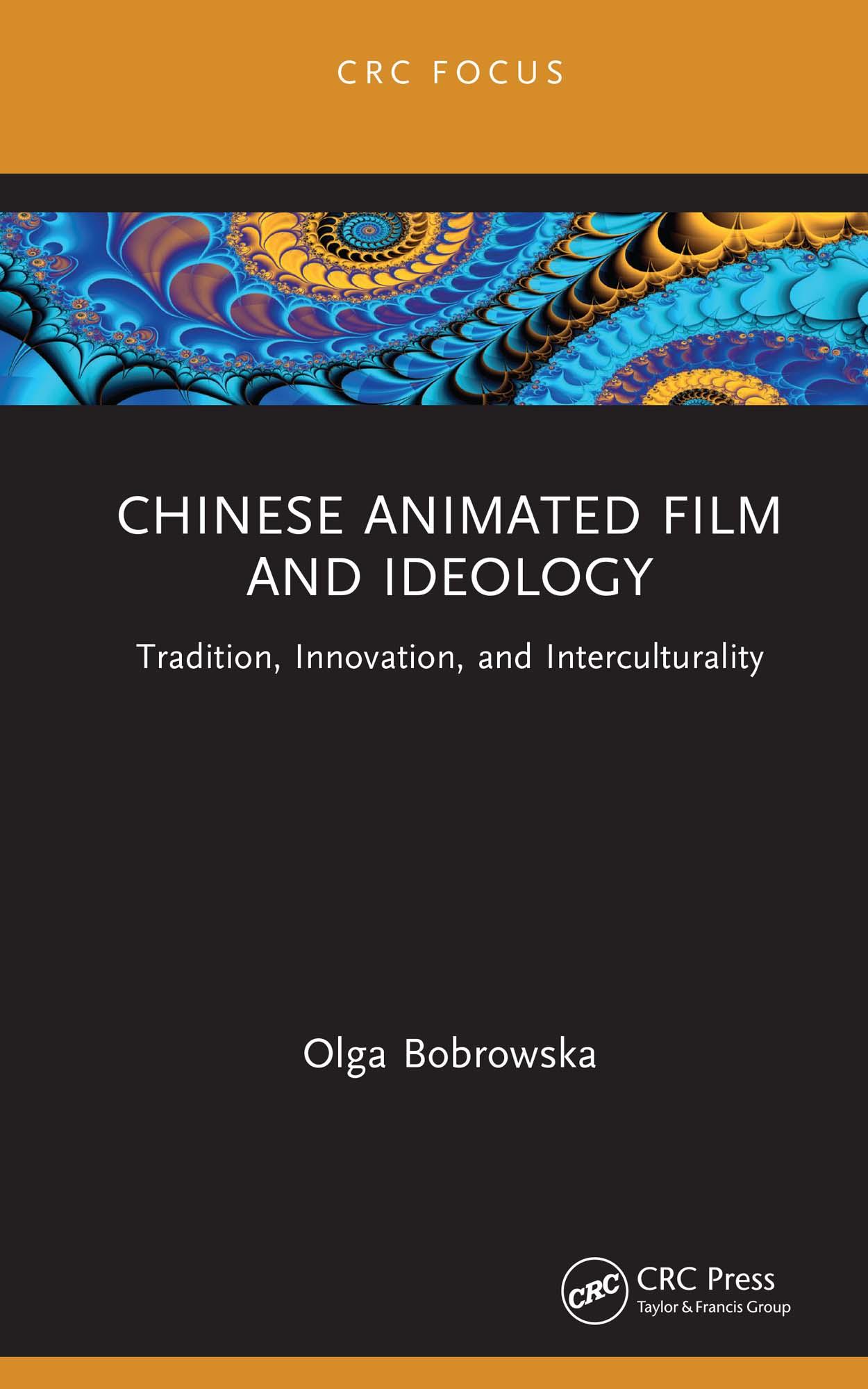
This book presents a contextualized overview of the history of Chinese animated film, pointing out the most influential self-definitions of Chinese culture employed in animation art of Mao Zedong’s rule (1949–1976) but largely focusing on the representation strategies created in the times of reforms and opening-up under Deng Xiaoping (1978–1989/1992).
Deeply grounded in cultural studies, the book employs an interdisciplinary approach, interlacing the reflection with the perspectives of political science, film studies, and film festival studies. It focuses on phenomena anchored to the paradigms of nationalization, reform, and internationalization: among them, nuanced understanding of the minzu (national) category (including the classic style of Chinese animation); invention of wash-and-ink painting animation (shuimo donghua); renewal of film theory and animated film language; soft power and cultural diplomacy; and regular access and co-creation of the international industry (festival distribution).
This book will be of great interest to those in the fields of animation studies, film studies, political science, Chinese area studies, and Chinese philology.
Maksa helposti kortilla, Klarnalla, Apple Paylla tai Google Paylla. Etkö ole tyytyväinen? Sinulla on aina 14 päivän palautusoikeus. Lue lisää ehdoistamme. Jos sinulla on kysyttävää, lähetä meille sähköpostia osoitteeseen hello@memmo.org.
Memmo tekee opiskelusta helpompaa – missä päin maailmaa ikinä oletkin. Meillä yhdistät kurssikirjat ja fiksut opiskelutyökalut yhteen paikkaan: tiivistelmät, visat, podcastit ja muistikortit. Ja sitten Ted, opiskelukaverisi, joka vastaa kaikkeen, mitä ikinä mietitkin. Yli 50 000 opiskelijaa opiskelee jo täällä – rakennettu auttamaan sinua oppimaan nopeammin ja stressaamaan vähemmän.