
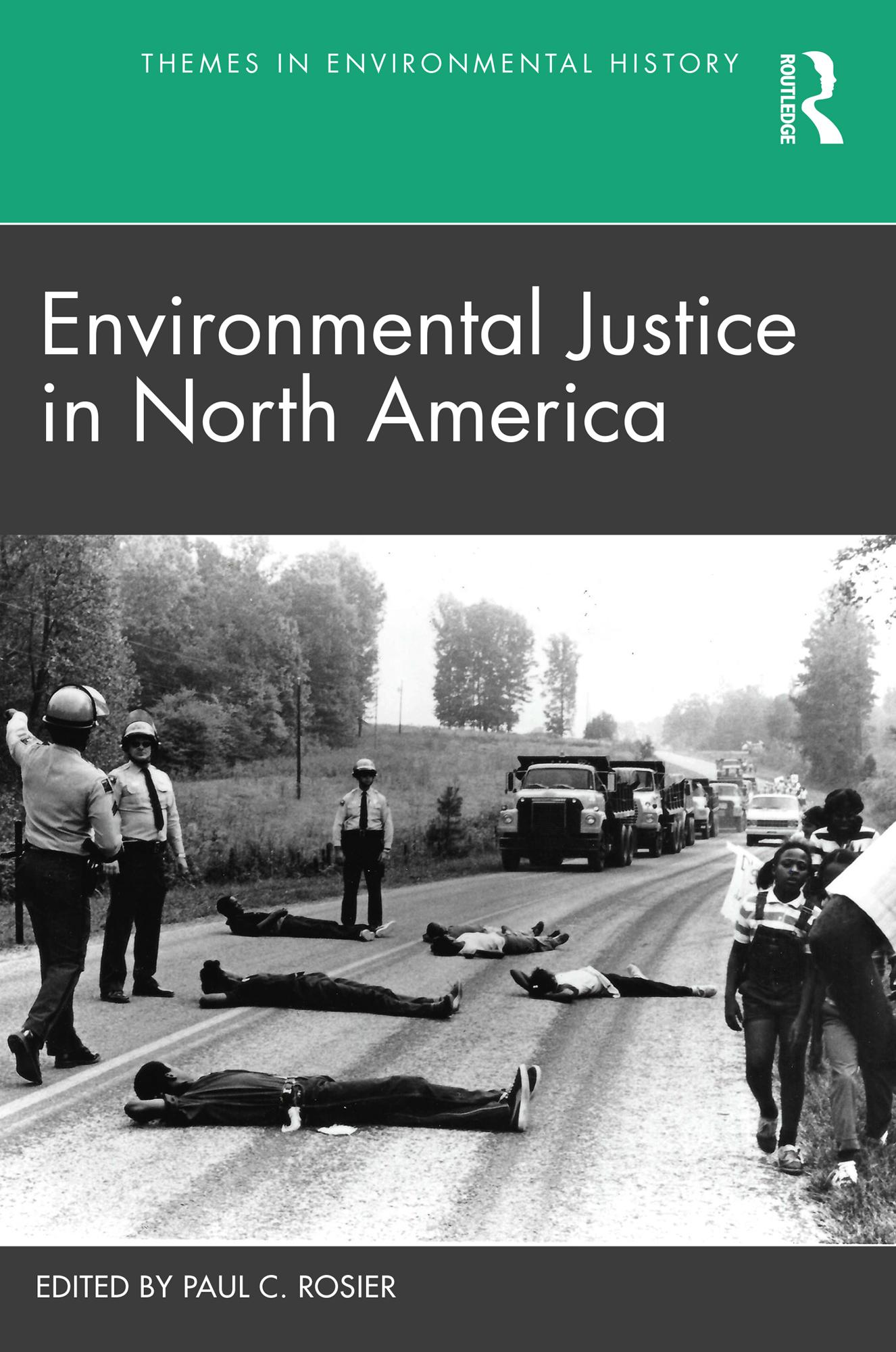
Emphasizing the voices of activists, this book’s diverse contributors examine communities’ common experiences with environmental injustice, how they organize to address it, and the ways in which their campaigns intersect with related movements such as Black Lives Matter and Indigenous sovereignty.
The global COVID-19 pandemic exposed the ways in which BIPOC (Black, Indigenous, People of Color) communities and white working-class communities have suffered disproportionately from the crisis due to sustained exposure to toxic land, air, and water, creating a new urgency for addressing underlying conditions of systemic racism and poverty in North America. In addition to exploring the historical roots of the Environmental Justice movement in the 1980s and 1990s, the volume offers coverage of recent events such as the DAPL pipeline controversy, the Flint water crisis, and the rise of climate justice. The collection incorporates the experiences of rural and urban communities, Alaska Natives, Native Hawaiians, Puerto Ricans, and Indigenous peoples in the U.S., Canada, and Mexico.
The chapters offer instructors, undergraduate and graduate students, and general readers a range of accessible case studies that create opportunities for comparative and intersectional analysis across geographical and ethnic boundaries.
Maksa helposti kortilla, Klarnalla, Apple Paylla tai Google Paylla. Etkö ole tyytyväinen? Sinulla on aina 14 päivän palautusoikeus. Lue lisää ehdoistamme. Jos sinulla on kysyttävää, lähetä meille sähköpostia osoitteeseen hello@memmo.org.
Memmo tekee opiskelusta helpompaa – missä päin maailmaa ikinä oletkin. Meillä yhdistät kurssikirjat ja fiksut opiskelutyökalut yhteen paikkaan: tiivistelmät, visat, podcastit ja muistikortit. Ja sitten Ted, opiskelukaverisi, joka vastaa kaikkeen, mitä ikinä mietitkin. Yli 50 000 opiskelijaa opiskelee jo täällä – rakennettu auttamaan sinua oppimaan nopeammin ja stressaamaan vähemmän.