
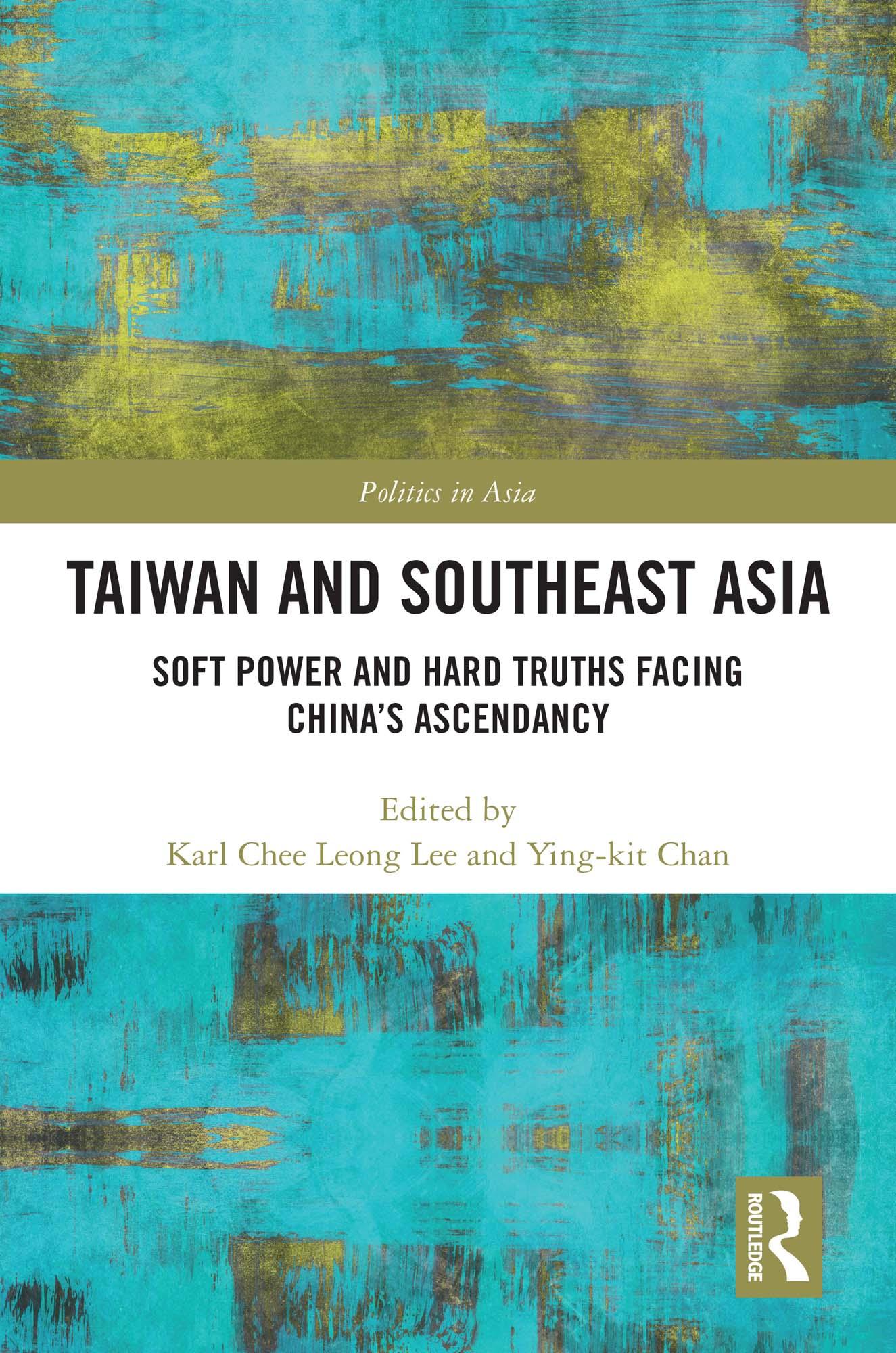
Lee, Chan and their contributors analyse the different kinds of soft power deployed by Taiwan in its bid to strengthen its relations with its neighbours in Southeast Asia.
Despite not having formal diplomatic relations with Southeast Asian countries after their diplomatic recognition of the People’s Republic of China decades ago, Taiwan continues to be a key economic and socio-cultural partner for the region at large. Successive administrations in Taiwan from the Chen to Tsai eras have circumvented the long-standing absence of diplomatic recognition with the diffusion of soft power ─ shaping what others want with attractiveness ─ through the utilization of its existing economic and socio-cultural links with Southeast Asian countries. While such soft power diffusion contributes to Taiwan’s triple quests for legitimacy as a member of international community, status as a constructive actor in the region and long-term economic prosperity for the island-state, the emergence of China as an economic superpower in the 21st century has significantly challenged such quests from Taipei. The contributors to this volume examine both the intentions and the reception of Taiwan’s approach to the nations of ASEAN.
An essential read for students and researchers investigating the impact and limitations of soft power in foreign policy.
Maksa helposti kortilla, Klarnalla, Apple Paylla tai Google Paylla. Etkö ole tyytyväinen? Sinulla on aina 14 päivän palautusoikeus. Lue lisää ehdoistamme. Jos sinulla on kysyttävää, lähetä meille sähköpostia osoitteeseen hello@memmo.org.
Memmo tekee opiskelusta helpompaa – missä päin maailmaa ikinä oletkin. Meillä yhdistät kurssikirjat ja fiksut opiskelutyökalut yhteen paikkaan: tiivistelmät, visat, podcastit ja muistikortit. Ja sitten Ted, opiskelukaverisi, joka vastaa kaikkeen, mitä ikinä mietitkin. Yli 50 000 opiskelijaa opiskelee jo täällä – rakennettu auttamaan sinua oppimaan nopeammin ja stressaamaan vähemmän.