
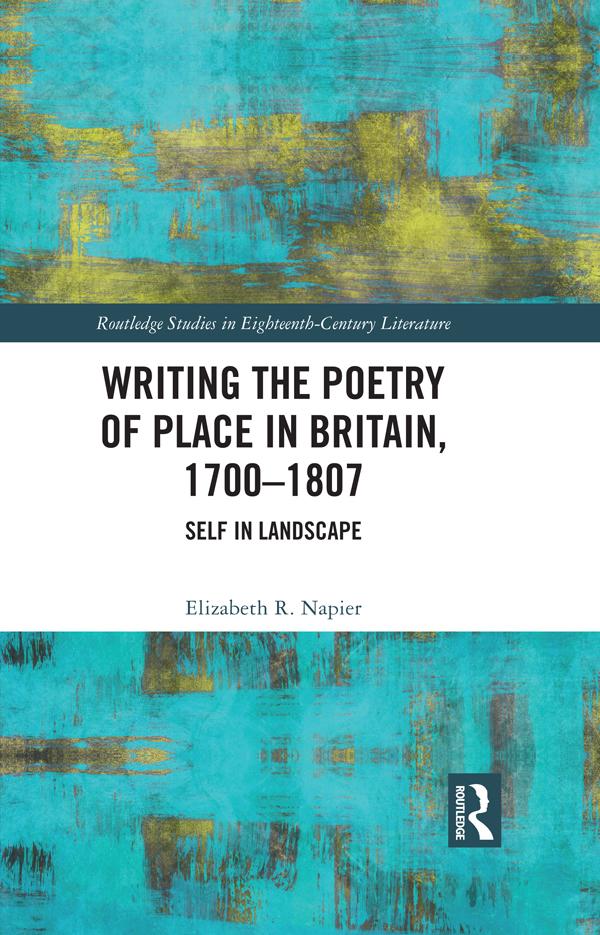
This book discusses the intrusion, often inadvertent, of personal voice into the poetry of landscape in Britain, 1700– 1807. It argues that strong conventions, such as those that inhere in topographical verse of the period, invite original poets to overstep those bounds while also shielding them from the repercussions of self-expression. Working under cover of convention in this manner and because for many of these poets place is tied in significant ways to personal history, poets of place may launch unexpected explorations into memory, personhood, and the workings of consciousness. This book thus supplements past, largely political, readings of landscape poetry, turning to questions of self-articulation and self-expression in order to argue that the autobiographical impulse is a distinctive and innovative feature of much great eighteenth-century poetry of place. Among the poets under examination are Pope, Thomson, Duck, Gray, Goldsmith, Crabbe, Cowper, Smith, and Wordsworth.
Maksa helposti kortilla, Klarnalla, Apple Paylla tai Google Paylla. Etkö ole tyytyväinen? Sinulla on aina 14 päivän palautusoikeus. Lue lisää ehdoistamme. Jos sinulla on kysyttävää, lähetä meille sähköpostia osoitteeseen hello@memmo.org.
Memmo tekee opiskelusta helpompaa – missä päin maailmaa ikinä oletkin. Meillä yhdistät kurssikirjat ja fiksut opiskelutyökalut yhteen paikkaan: tiivistelmät, visat, podcastit ja muistikortit. Ja sitten Ted, opiskelukaverisi, joka vastaa kaikkeen, mitä ikinä mietitkin. Yli 50 000 opiskelijaa opiskelee jo täällä – rakennettu auttamaan sinua oppimaan nopeammin ja stressaamaan vähemmän.