
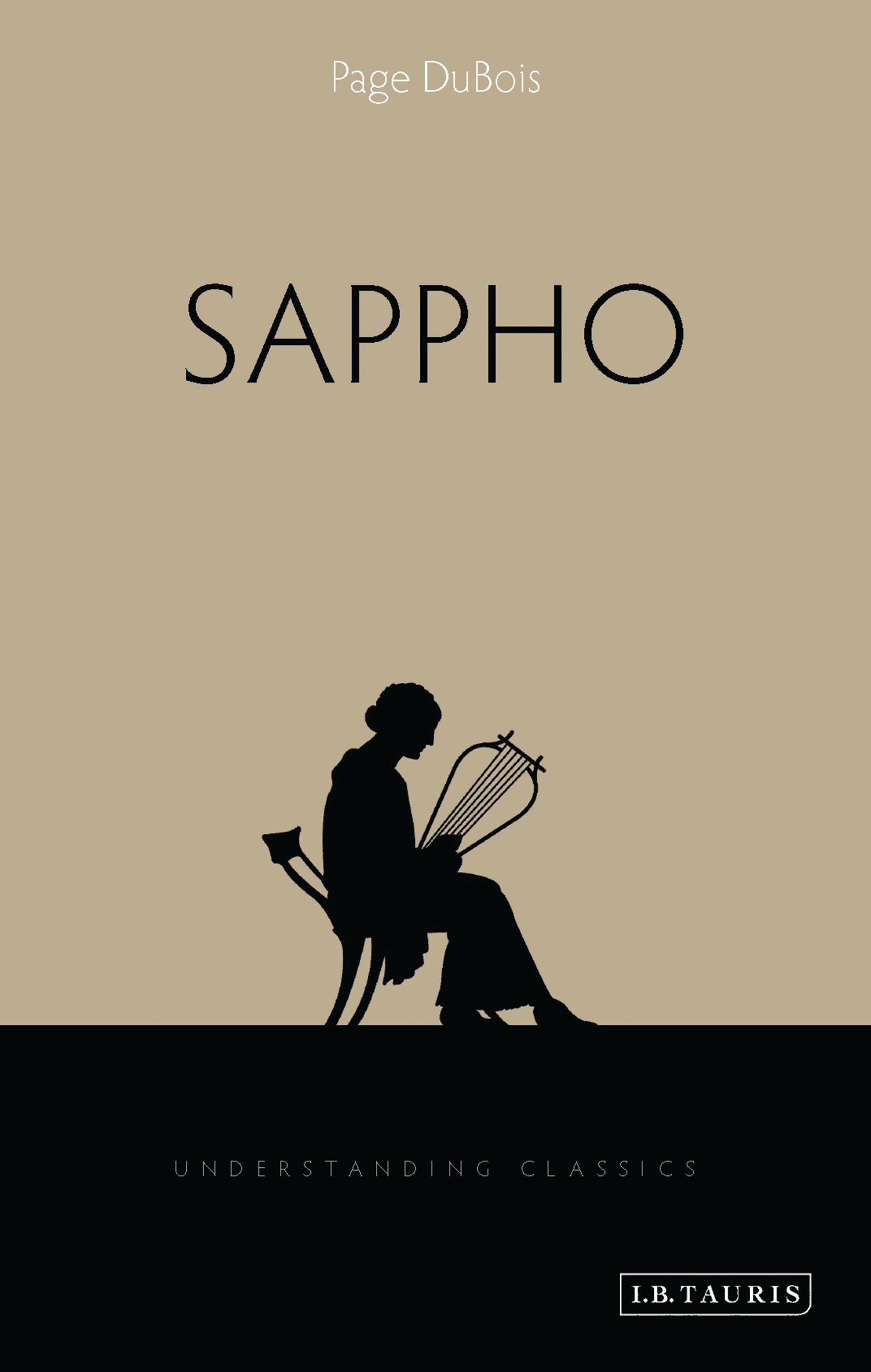
Sappho has been constructed as many things: proto-feminist, lesbian icon and even - by the Victorians - chaste headmistress of a girls' finishing school. Yet ironically, as Page DuBois shows, the historical poet herself remains elusive. We know that Sappho's contemporary Alcaeus described her as 'violet, pure, honey-smiling Sappho'; and that the rhetorician and philosopher Maximus of Tyre saw her, perhaps less enthusiastically, as 'small and dark'. We also know that her 7th/6th century BCE island of Lesbos was riven by tyrannical and aristocratic factionalism and that she was probably exiled to Sicily. Much of the rest is speculative. DuBois suggests that the value of Sappho lies elsewhere: in her remarkable verse, and in the poet's reception - one of the richest of any figure from antiquity. Offering nuanced readings of the poems, written in an archaic Aeolic dialect, DuBois skillfully draws out their sharp images and rhythmic melody. She further discusses the exciting discovery of a new verse fragment in 2004, and the ways in which Sappho influenced Catullus, Horace and Ovid, as well as later writers and painters.
Maksa helposti kortilla, Klarnalla, Apple Paylla tai Google Paylla. Etkö ole tyytyväinen? Sinulla on aina 14 päivän palautusoikeus. Lue lisää ehdoistamme. Jos sinulla on kysyttävää, lähetä meille sähköpostia osoitteeseen hello@memmo.org.
Memmo tekee opiskelusta helpompaa – missä päin maailmaa ikinä oletkin. Meillä yhdistät kurssikirjat ja fiksut opiskelutyökalut yhteen paikkaan: tiivistelmät, visat, podcastit ja muistikortit. Ja sitten Ted, opiskelukaverisi, joka vastaa kaikkeen, mitä ikinä mietitkin. Yli 50 000 opiskelijaa opiskelee jo täällä – rakennettu auttamaan sinua oppimaan nopeammin ja stressaamaan vähemmän.