
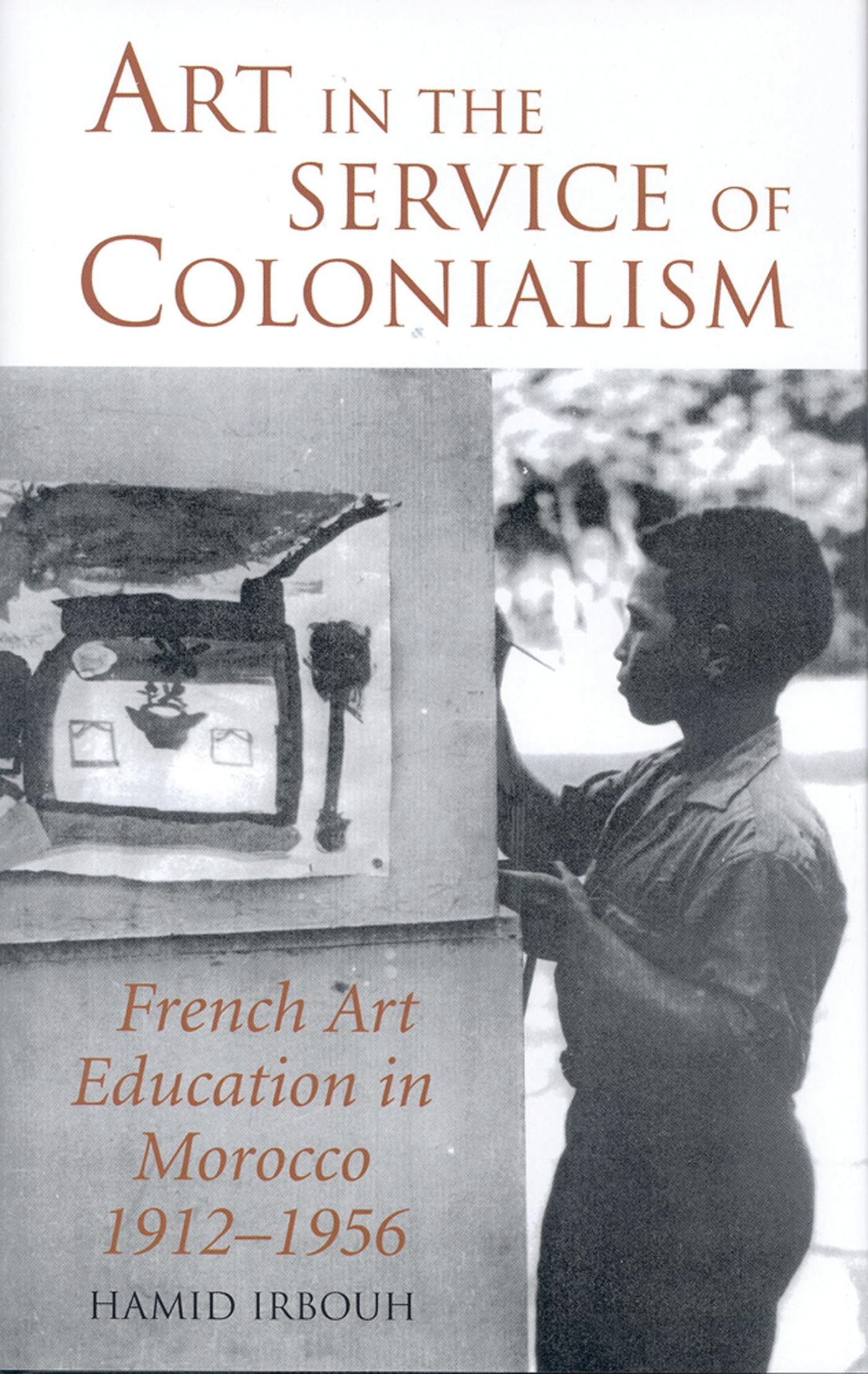
In the Moroccan French Protectorate (1912-1956), the French established vocational and fine art schools, imposed modern systems of industrial production and pedagogy and reinvented old traditions. Hamid Irbouh argues that the French used this systematic modernisation of local arts and crafts regulation to impose their control. He looks in particular at the role and place of women in the structures of art production and education created by the French- that transformed and dominated Moroccan society during the colonial period. French women infiltrated the Moroccan milieu, to buttress colonial ideology, yet at critical moments, Moroccan women rejected traditional roles and sabotaged colonial plans. Meanwhile, the contradictions between reformist goals and the old order added to social dislocations and led to rebellion against French hegemony. Irbouh examines and analyses these processes and demonstrates how Moroccan artists have struggled to exorcise French influences and rediscover an authentic visual culture since decolonisation. This book reveals that the weight of colonial history continues to weigh heavily on artistic practice and production.
Maksa helposti kortilla, Klarnalla, Apple Paylla tai Google Paylla. Etkö ole tyytyväinen? Sinulla on aina 14 päivän palautusoikeus. Lue lisää ehdoistamme. Jos sinulla on kysyttävää, lähetä meille sähköpostia osoitteeseen hello@memmo.org.
Memmo tekee opiskelusta helpompaa – missä päin maailmaa ikinä oletkin. Meillä yhdistät kurssikirjat ja fiksut opiskelutyökalut yhteen paikkaan: tiivistelmät, visat, podcastit ja muistikortit. Ja sitten Ted, opiskelukaverisi, joka vastaa kaikkeen, mitä ikinä mietitkin. Yli 50 000 opiskelijaa opiskelee jo täällä – rakennettu auttamaan sinua oppimaan nopeammin ja stressaamaan vähemmän.