
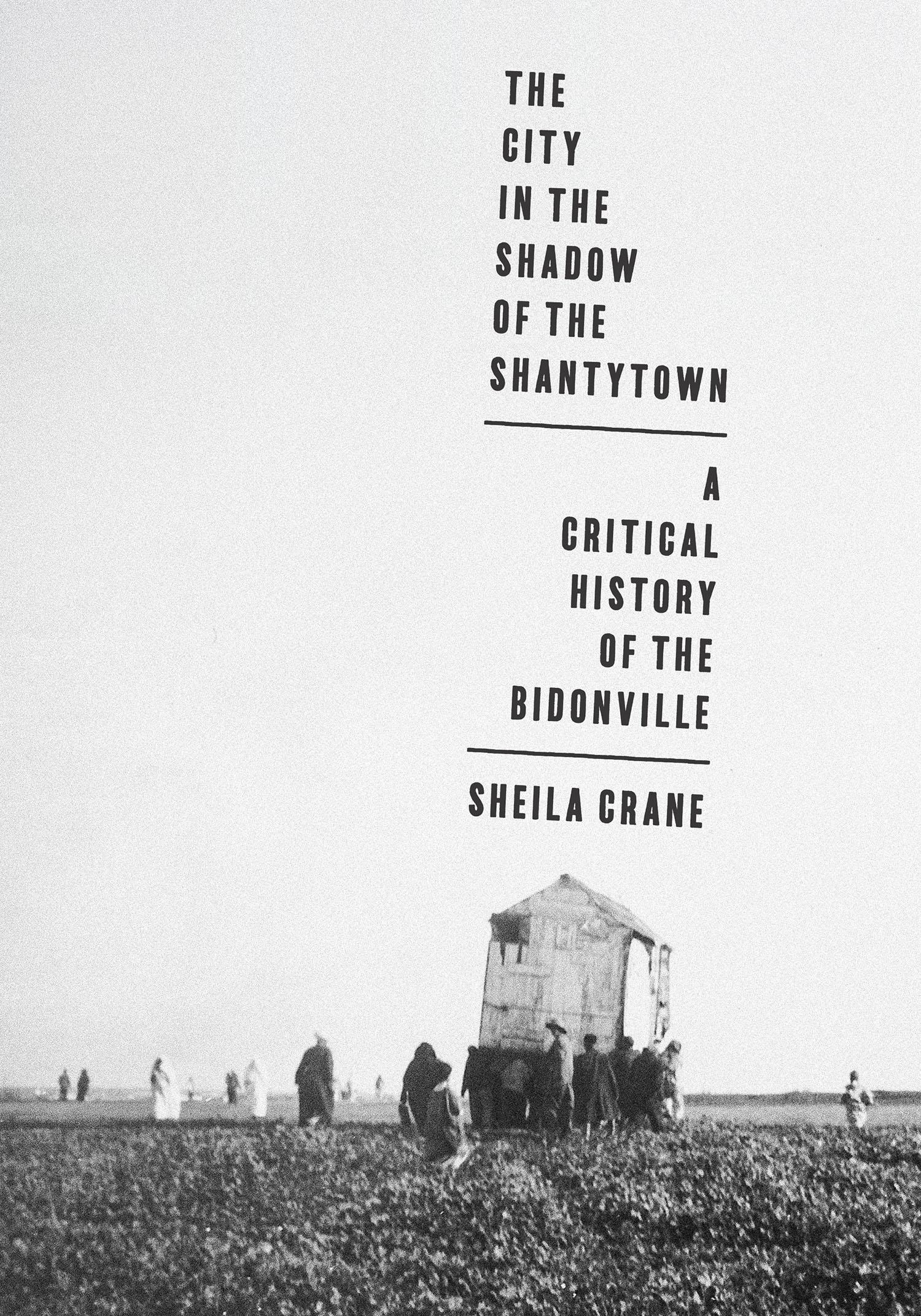
Architects, politicians, and planners have repeatedly framed shantytowns or slums as aberrant, unplanned developments that stand apart from the city proper, rather than integral components of the urban landscape with their own layered histories and often unrealized potentials. Describing a site as a bidonville––the francophone equivalent of the shantytown––positioned it as a foil to and catalyst for new architectural projects, anticipating and authorizing its targeting, control, and dispossession. In this richly illustrated study, Sheila Crane charts the emergence of the bidonville, a term first consolidated in Casablanca following the establishment of the French Protectorate of Morocco in 1912 that was subsequently used to categorize and systematically target urban areas across Morocco, Algeria, and beyond—processes that continue to shape planning and urban landscapes today. Tracing significant episodes that extend into the post-independence period, Crane reveals how the bidonville became a potent artifact of the colonial city and a formative site for anticolonial thinking and action. Far from self-contained enclosures, sites deemed bidonvilles were shaped by dynamic human and non-human entanglements central to this book.
Kategoria: Arkitektur & Stadsplanering
e-ISBN: 9780822992417
Maksa helposti kortilla, Klarnalla, Apple Paylla tai Google Paylla. Etkö ole tyytyväinen? Sinulla on aina 14 päivän palautusoikeus. Lue lisää ehdoistamme. Jos sinulla on kysyttävää, lähetä meille sähköpostia osoitteeseen hello@memmo.org.
Memmo tekee opiskelusta helpompaa – missä päin maailmaa ikinä oletkin. Meillä yhdistät kurssikirjat ja fiksut opiskelutyökalut yhteen paikkaan: tiivistelmät, visat, podcastit ja muistikortit. Ja sitten Ted, opiskelukaverisi, joka vastaa kaikkeen, mitä ikinä mietitkin. Yli 50 000 opiskelijaa opiskelee jo täällä – rakennettu auttamaan sinua oppimaan nopeammin ja stressaamaan vähemmän.
Saatat pitää myös näistä
Osta kirja0