
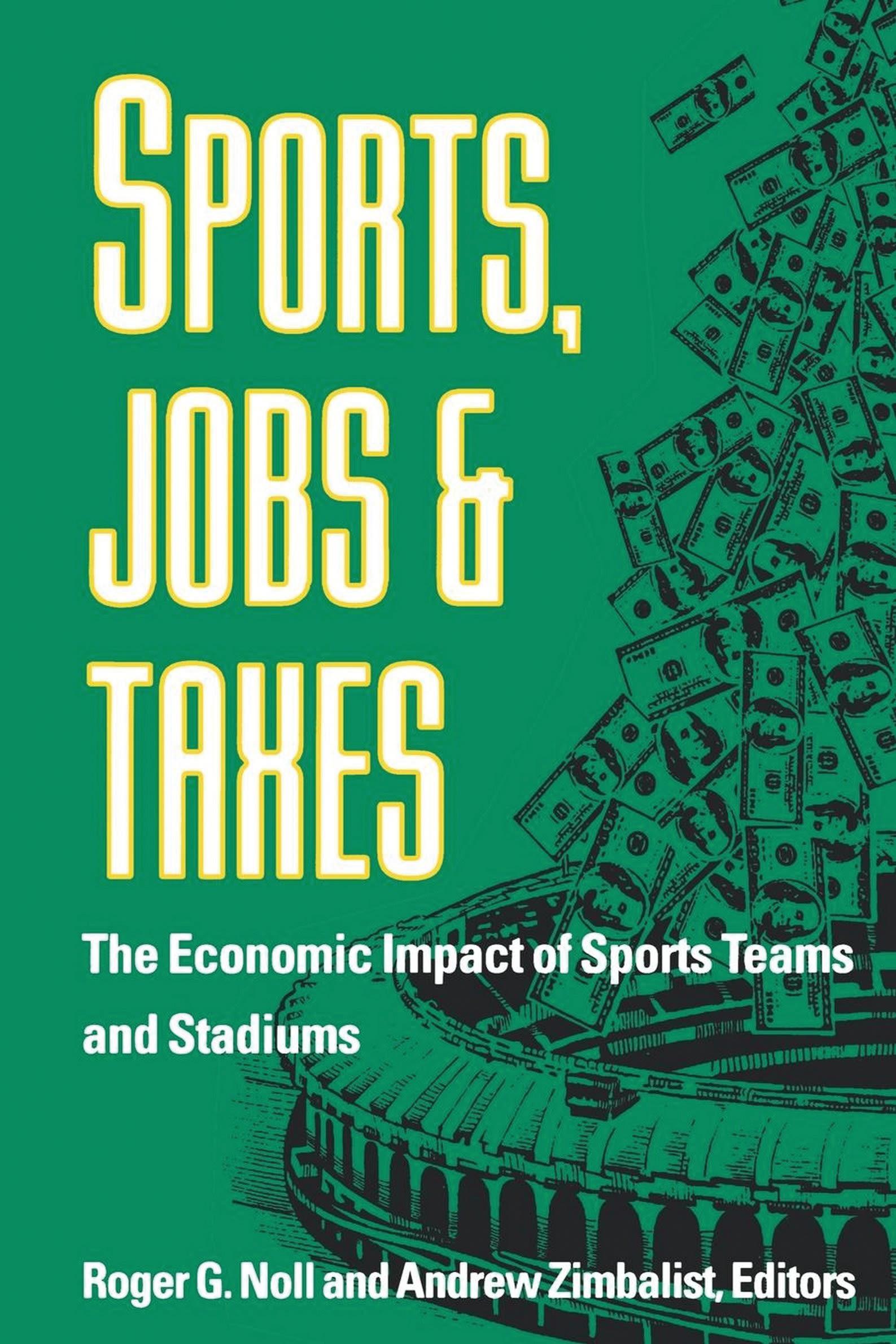
America is in the midst of a sports building boom. Professional sports teams are demanding and receiving fancy new playing facilities that are heavily subsidized by government. In many cases, the rationale given for these subsidies is that attracting or retaining a professional sports franchiseeven a minor league baseball team or a major league pre-season training facility--more than pays for itself in increased tax revenues, local economic development, and job creation.
But are these claims true? To assess the case for subsidies, this book examines the economic impact of new stadiums and the presence of a sports franchise on the local economy. It first explores such general issues as the appropriate method for measuring economic benefits and costs, the source of the bargaining power of teams in obtaining subsidies from local government, the local politics of attracting and retaining teams, the relationship between sports and local employment, and the importance of stadium design in influencing the economic impact of a facility.
The second part of the book contains case studies of major league sports facilities in Baltimore, Chicago, Cincinnati, Cleveland, Indianapolis, San Francisco, and the Twin Cities, and of minor league stadiums and spring training facilities in baseball. The primary conclusions are: first, sports teams and facilities are not a source of local economic growth and employment; second, the magnitude of the net subsidy exceeds the financial benefit of a new stadium to a team; and, third, the most plausible reasons that cities are willing to subsidize sports teams are the intense popularity of sports among a substantial proportion of voters and businesses and the leverage that teams enjoy from the monopoly position of professional sports leagues.
But are these claims true? To assess the case for subsidies, this book examines the economic impact of new stadiums and the presence of a sports franchise on the local economy. It first explores such general issues as the appropriate method for measuring economic benefits and costs, the source of the bargaining power of teams in obtaining subsidies from local government, the local politics of attracting and retaining teams, the relationship between sports and local employment, and the importance of stadium design in influencing the economic impact of a facility.
The second part of the book contains case studies of major league sports facilities in Baltimore, Chicago, Cincinnati, Cleveland, Indianapolis, San Francisco, and the Twin Cities, and of minor league stadiums and spring training facilities in baseball. The primary conclusions are: first, sports teams and facilities are not a source of local economic growth and employment; second, the magnitude of the net subsidy exceeds the financial benefit of a new stadium to a team; and, third, the most plausible reasons that cities are willing to subsidize sports teams are the intense popularity of sports among a substantial proportion of voters and businesses and the leverage that teams enjoy from the monopoly position of professional sports leagues.
Maksa helposti kortilla, Klarnalla, Apple Paylla tai Google Paylla. Etkö ole tyytyväinen? Sinulla on aina 14 päivän palautusoikeus. Lue lisää ehdoistamme. Jos sinulla on kysyttävää, lähetä meille sähköpostia osoitteeseen hello@memmo.org.
Memmo tekee opiskelusta helpompaa – missä päin maailmaa ikinä oletkin. Meillä yhdistät kurssikirjat ja fiksut opiskelutyökalut yhteen paikkaan: tiivistelmät, visat, podcastit ja muistikortit. Ja sitten Ted, opiskelukaverisi, joka vastaa kaikkeen, mitä ikinä mietitkin. Yli 50 000 opiskelijaa opiskelee jo täällä – rakennettu auttamaan sinua oppimaan nopeammin ja stressaamaan vähemmän.