
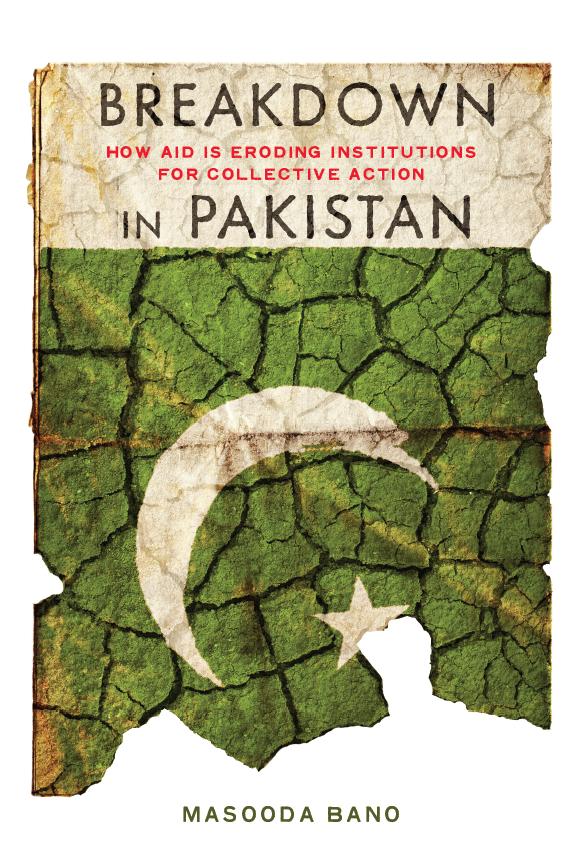
Thirty percent of foreign development aid is channeled through NGOs or community-based organizations to improve service delivery to the poor, build social capital, and establish democracy in developing nations. However, growing evidence suggests that aid often erodes, rather than promotes, cooperation within developing nations. This book presents a rare, micro level account of the complex decision-making processes that bring individuals together to form collective-action platforms. It then examines why aid often breaks down the very institutions for collective action that it aims to promote.
Breakdown in Pakistan identifies concrete measures to check the erosion of cooperation in foreign aid scenarios. Pakistan is one of the largest recipients of international development aid, and therefore the empirical details presented are particularly relevant for policy. The book's argument is equally applicable to a number of other developing countries, and has important implications for recent discussions within the field of economics.
Maksa helposti kortilla, Klarnalla, Apple Paylla tai Google Paylla. Etkö ole tyytyväinen? Sinulla on aina 14 päivän palautusoikeus. Lue lisää ehdoistamme. Jos sinulla on kysyttävää, lähetä meille sähköpostia osoitteeseen hello@memmo.org.
Memmo tekee opiskelusta helpompaa – missä päin maailmaa ikinä oletkin. Meillä yhdistät kurssikirjat ja fiksut opiskelutyökalut yhteen paikkaan: tiivistelmät, visat, podcastit ja muistikortit. Ja sitten Ted, opiskelukaverisi, joka vastaa kaikkeen, mitä ikinä mietitkin. Yli 50 000 opiskelijaa opiskelee jo täällä – rakennettu auttamaan sinua oppimaan nopeammin ja stressaamaan vähemmän.