
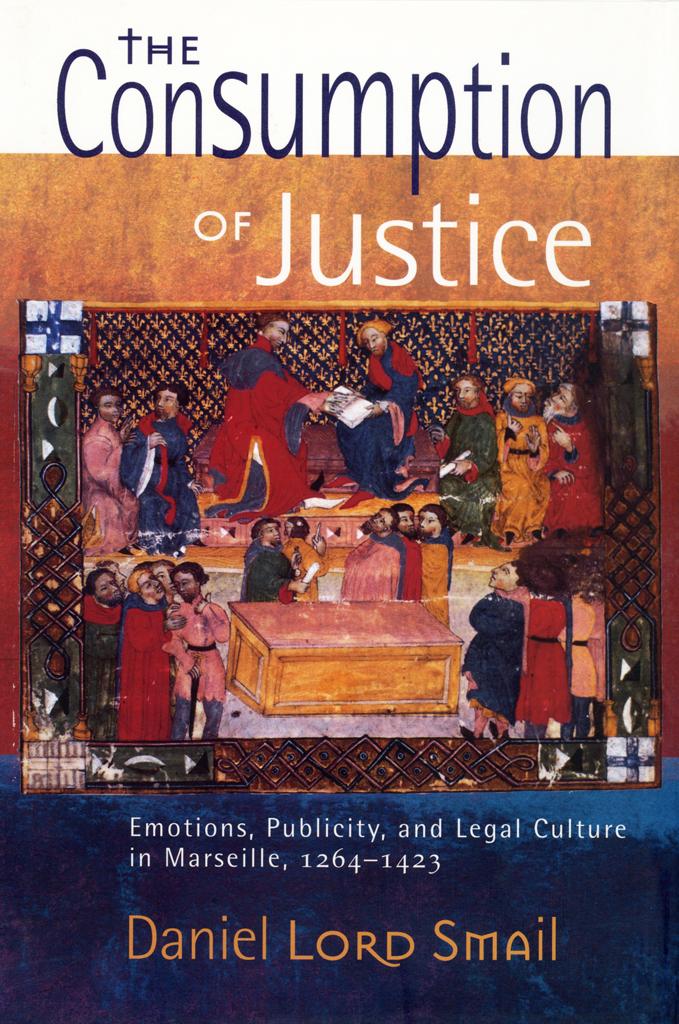
In the thirteenth and fourteenth centuries, the ideas and practices of justice in Europe underwent significant change as procedures were transformed and criminal and civil caseloads grew apace. Drawing on the rich judicial records of Marseille from the years 1264 to 1423, especially records of civil litigation, this book approaches the courts of law from the perspective of the users of the courts (the consumers of justice) and explains why men and women chose to invest resources in the law.
Smail shows that the courts were quickly adopted as a public stage on which litigants could take revenge on their enemies. Even as the new legal system served the interest of royal or communal authority, it also provided the consumers of justice with a way to broadcast their hatreds and social sanctions to a wider audience and negotiate their own community standing in the process. The emotions that had driven bloodfeuds and other forms of customary vengeance thus never went away, and instead were fully incorporated into the new procedures.
Maksa helposti kortilla, Klarnalla, Apple Paylla tai Google Paylla. Etkö ole tyytyväinen? Sinulla on aina 14 päivän palautusoikeus. Lue lisää ehdoistamme. Jos sinulla on kysyttävää, lähetä meille sähköpostia osoitteeseen hello@memmo.org.
Memmo tekee opiskelusta helpompaa – missä päin maailmaa ikinä oletkin. Meillä yhdistät kurssikirjat ja fiksut opiskelutyökalut yhteen paikkaan: tiivistelmät, visat, podcastit ja muistikortit. Ja sitten Ted, opiskelukaverisi, joka vastaa kaikkeen, mitä ikinä mietitkin. Yli 50 000 opiskelijaa opiskelee jo täällä – rakennettu auttamaan sinua oppimaan nopeammin ja stressaamaan vähemmän.