
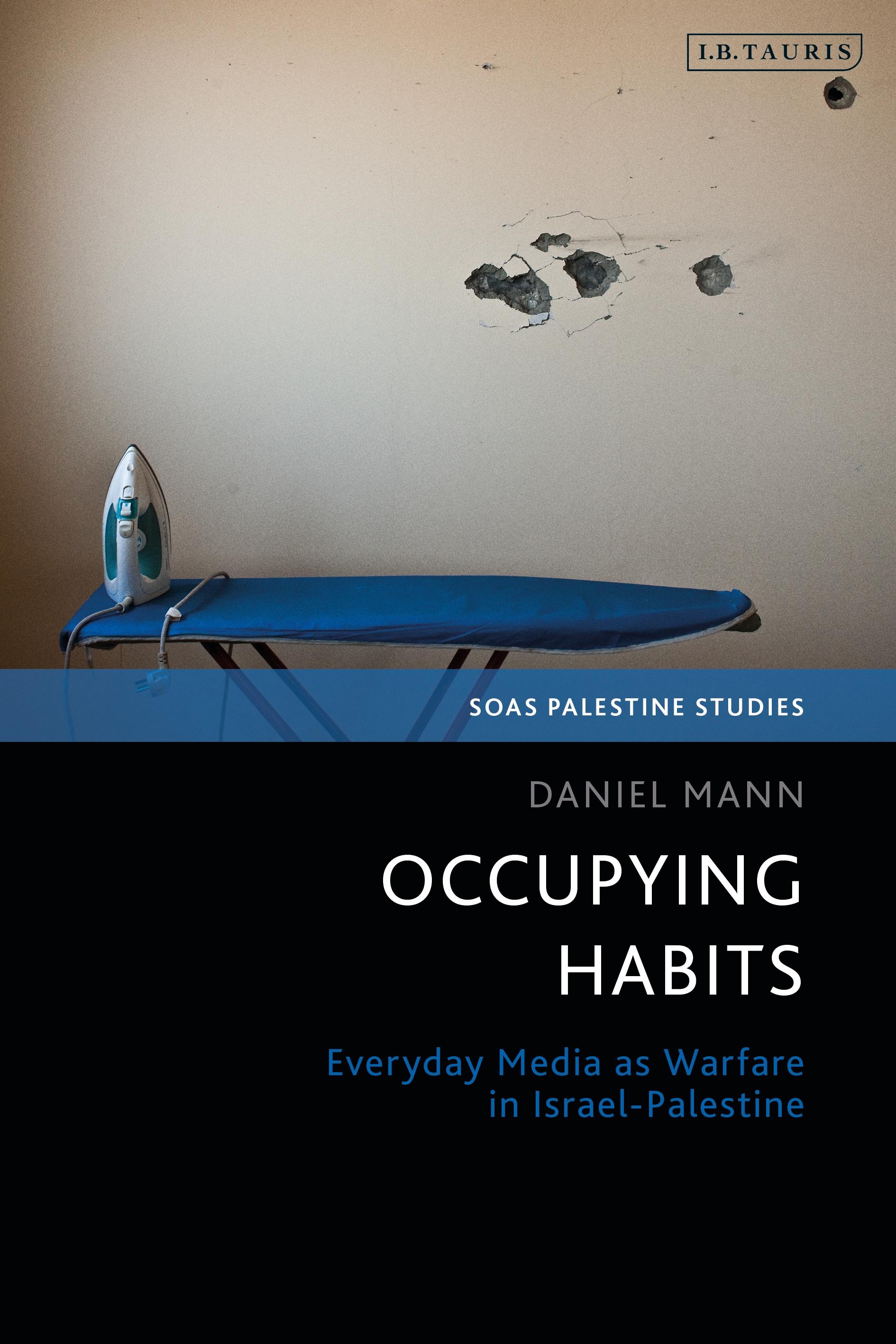
How did the Israeli military learn to cope with the ubiquity of media technologies that routinely document their power abuses? Why did they re-appropriate these to tighten their grip on Palestinian civilians? This book explains why a high-tech nation with advanced military technologies came to rely on the everyday media habits performed by soldiers and civilians.
Daniel Mann argues that the intensification of the security regime in Palestine, and the increasingly personal use of media technologies by both soldiers and civilians, are deeply entangled. The book traces how, beginning in the 1990s, the integration of media into the lives of civilians and Israeli soldiers enabled Israel to transfer responsibilities to individual users, who in turn became legally and ethically liable for state abuses of power.
Drawing on declassified documents, found footage, and social media, Mann shows how both media and warfare have been remodelled around the figure of the defensive, isolated, and insular 'individual'. Mann suggests that the focus on representations and their close visual analysis paradoxically hinders our ability to understand media. Instead of zooming into fine details, we must step back to reveal the assemblage of images, users, and infrastructure that together serve to maintain the racial, legal and aesthetic divide between Israel and Palestine.
Daniel Mann argues that the intensification of the security regime in Palestine, and the increasingly personal use of media technologies by both soldiers and civilians, are deeply entangled. The book traces how, beginning in the 1990s, the integration of media into the lives of civilians and Israeli soldiers enabled Israel to transfer responsibilities to individual users, who in turn became legally and ethically liable for state abuses of power.
Drawing on declassified documents, found footage, and social media, Mann shows how both media and warfare have been remodelled around the figure of the defensive, isolated, and insular 'individual'. Mann suggests that the focus on representations and their close visual analysis paradoxically hinders our ability to understand media. Instead of zooming into fine details, we must step back to reveal the assemblage of images, users, and infrastructure that together serve to maintain the racial, legal and aesthetic divide between Israel and Palestine.
Maksa helposti kortilla, Klarnalla, Apple Paylla tai Google Paylla. Etkö ole tyytyväinen? Sinulla on aina 14 päivän palautusoikeus. Lue lisää ehdoistamme. Jos sinulla on kysyttävää, lähetä meille sähköpostia osoitteeseen hello@memmo.org.
Memmo tekee opiskelusta helpompaa – missä päin maailmaa ikinä oletkin. Meillä yhdistät kurssikirjat ja fiksut opiskelutyökalut yhteen paikkaan: tiivistelmät, visat, podcastit ja muistikortit. Ja sitten Ted, opiskelukaverisi, joka vastaa kaikkeen, mitä ikinä mietitkin. Yli 50 000 opiskelijaa opiskelee jo täällä – rakennettu auttamaan sinua oppimaan nopeammin ja stressaamaan vähemmän.