
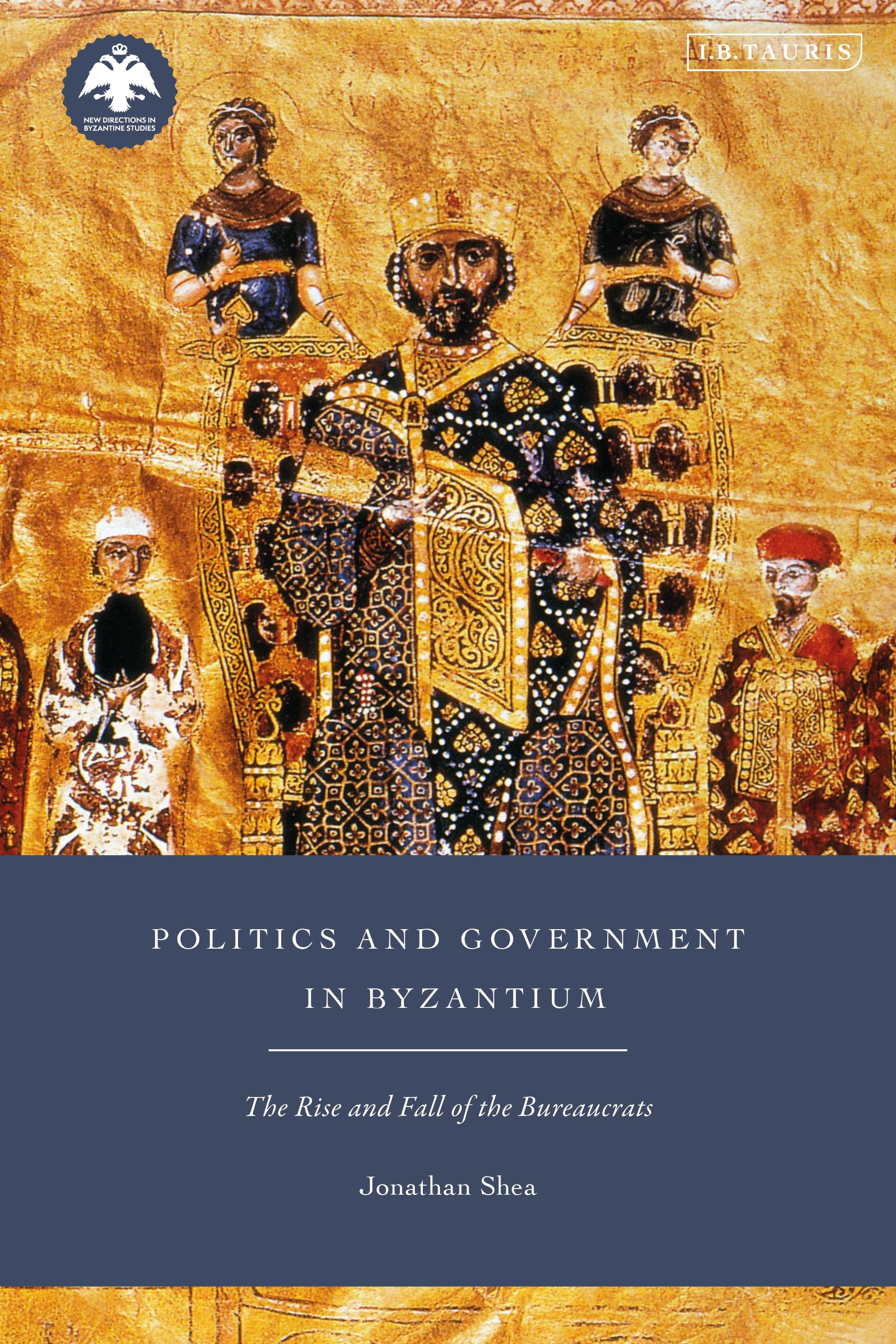
The eleventh century marked a turning point in the history of the Byzantine Empire. At its start Byzantium was the paramount power in the Mediterranean world, by turns feared, respected and admired. By the century's close the empire had lost half of its territory and had managed only a partial recovery under the leadership of the Komnenos family. How did a powerful and famously wealthy empire collapse so quickly?
The contemporary accounts of this turbulent 'long' century (taken here as c. 950–1100) attribute the empire's decline to the emperors' reckless and self-serving favouring of civilian bureaucrats and, while these sources are today widely acknowledged as biased and unreliable, modern assessments of the century have hitherto failed to suggest any tangible alternatives. To circumvent this dearth of archival material, Jonathan Shea has meticulously analysed 2,200 unpublished seals from the period (more than a third of the known total extant today) to uncover exactly whom the emperors were favouring and promoting, as well as developing a nuanced and revealing picture of the makeup of the much-chastised civilian bureaucracy. The sigillographic evidence is throughout measured against the written material to give a fresh account of this key transitional century and a rare insight into Byzantine politics.
The contemporary accounts of this turbulent 'long' century (taken here as c. 950–1100) attribute the empire's decline to the emperors' reckless and self-serving favouring of civilian bureaucrats and, while these sources are today widely acknowledged as biased and unreliable, modern assessments of the century have hitherto failed to suggest any tangible alternatives. To circumvent this dearth of archival material, Jonathan Shea has meticulously analysed 2,200 unpublished seals from the period (more than a third of the known total extant today) to uncover exactly whom the emperors were favouring and promoting, as well as developing a nuanced and revealing picture of the makeup of the much-chastised civilian bureaucracy. The sigillographic evidence is throughout measured against the written material to give a fresh account of this key transitional century and a rare insight into Byzantine politics.
Maksa helposti kortilla, Klarnalla, Apple Paylla tai Google Paylla. Etkö ole tyytyväinen? Sinulla on aina 14 päivän palautusoikeus. Lue lisää ehdoistamme. Jos sinulla on kysyttävää, lähetä meille sähköpostia osoitteeseen hello@memmo.org.
Memmo tekee opiskelusta helpompaa – missä päin maailmaa ikinä oletkin. Meillä yhdistät kurssikirjat ja fiksut opiskelutyökalut yhteen paikkaan: tiivistelmät, visat, podcastit ja muistikortit. Ja sitten Ted, opiskelukaverisi, joka vastaa kaikkeen, mitä ikinä mietitkin. Yli 50 000 opiskelijaa opiskelee jo täällä – rakennettu auttamaan sinua oppimaan nopeammin ja stressaamaan vähemmän.