
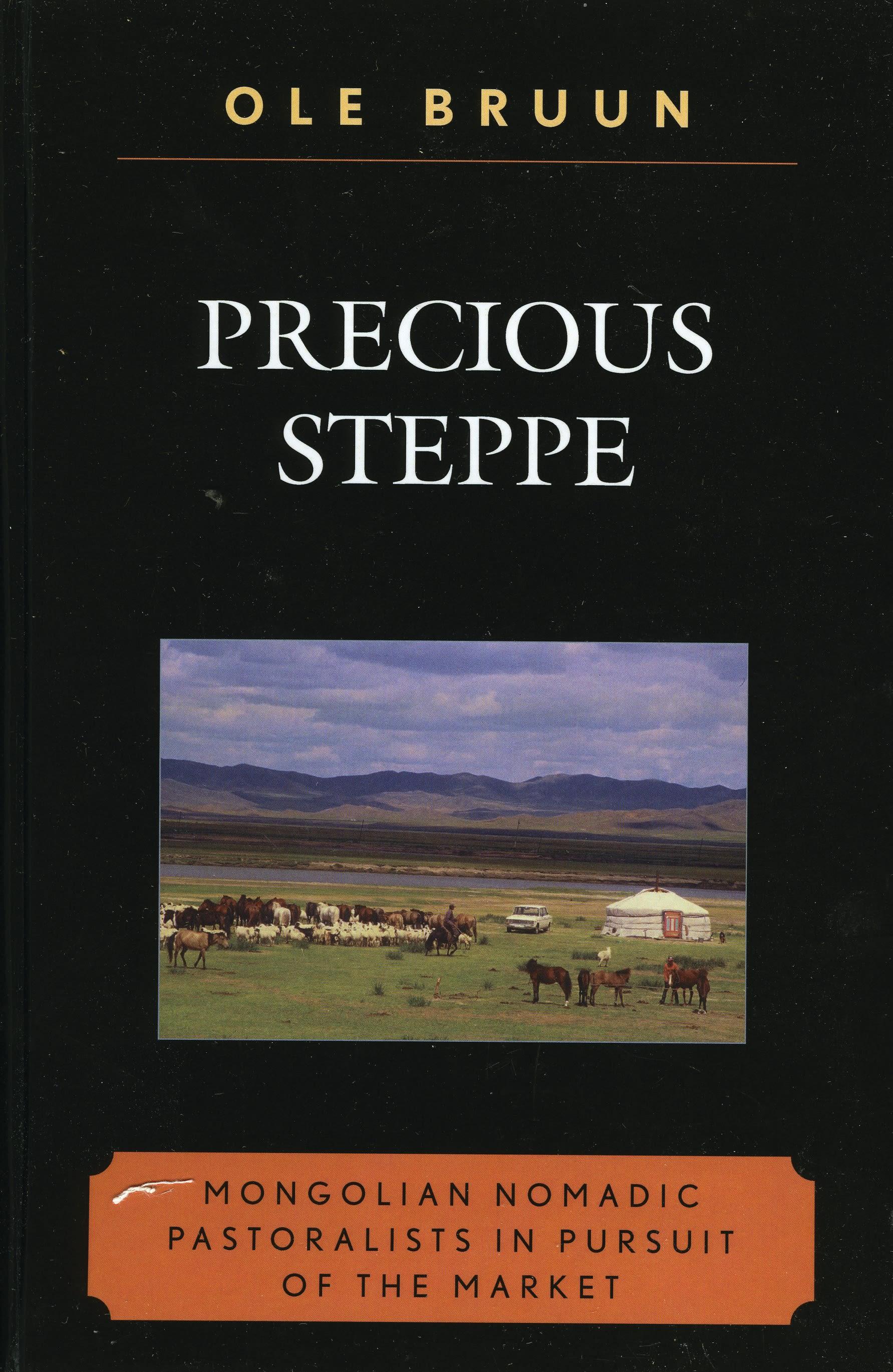
Ole Bruun focuses on a community of nomadic livestock herders in present-day Mongolia. He depicts their transition from a contained, Soviet-era collective to modern times and addresses the most essential conditions for their continued survival and prosperity in the age of the market: the adaptability of their own culture and working strategies, government policy, and international attention. By studying the nomadic practice of animal husbandry in the context of family farms, Bruun points out the similarity to the peasant economy defined by the Russian agricultural economist Alexander Chayanov nearly a century ago. In both economies, the labor-consumer balance and life-cycle variations commonly set the term for economic strategies, yet the pastoral economy involves a highly specialized form of agriculture in which the scale of exchange determines wealth and lifestyle. In a vast territory such as Mongolia, infrastructure, social benefits, and other means of state support are crucial to prevent herders from sliding into a subsistence orientation, eventually leading to poverty.
Maksa helposti kortilla, Klarnalla, Apple Paylla tai Google Paylla. Etkö ole tyytyväinen? Sinulla on aina 14 päivän palautusoikeus. Lue lisää ehdoistamme. Jos sinulla on kysyttävää, lähetä meille sähköpostia osoitteeseen hello@memmo.org.
Memmo tekee opiskelusta helpompaa – missä päin maailmaa ikinä oletkin. Meillä yhdistät kurssikirjat ja fiksut opiskelutyökalut yhteen paikkaan: tiivistelmät, visat, podcastit ja muistikortit. Ja sitten Ted, opiskelukaverisi, joka vastaa kaikkeen, mitä ikinä mietitkin. Yli 50 000 opiskelijaa opiskelee jo täällä – rakennettu auttamaan sinua oppimaan nopeammin ja stressaamaan vähemmän.