
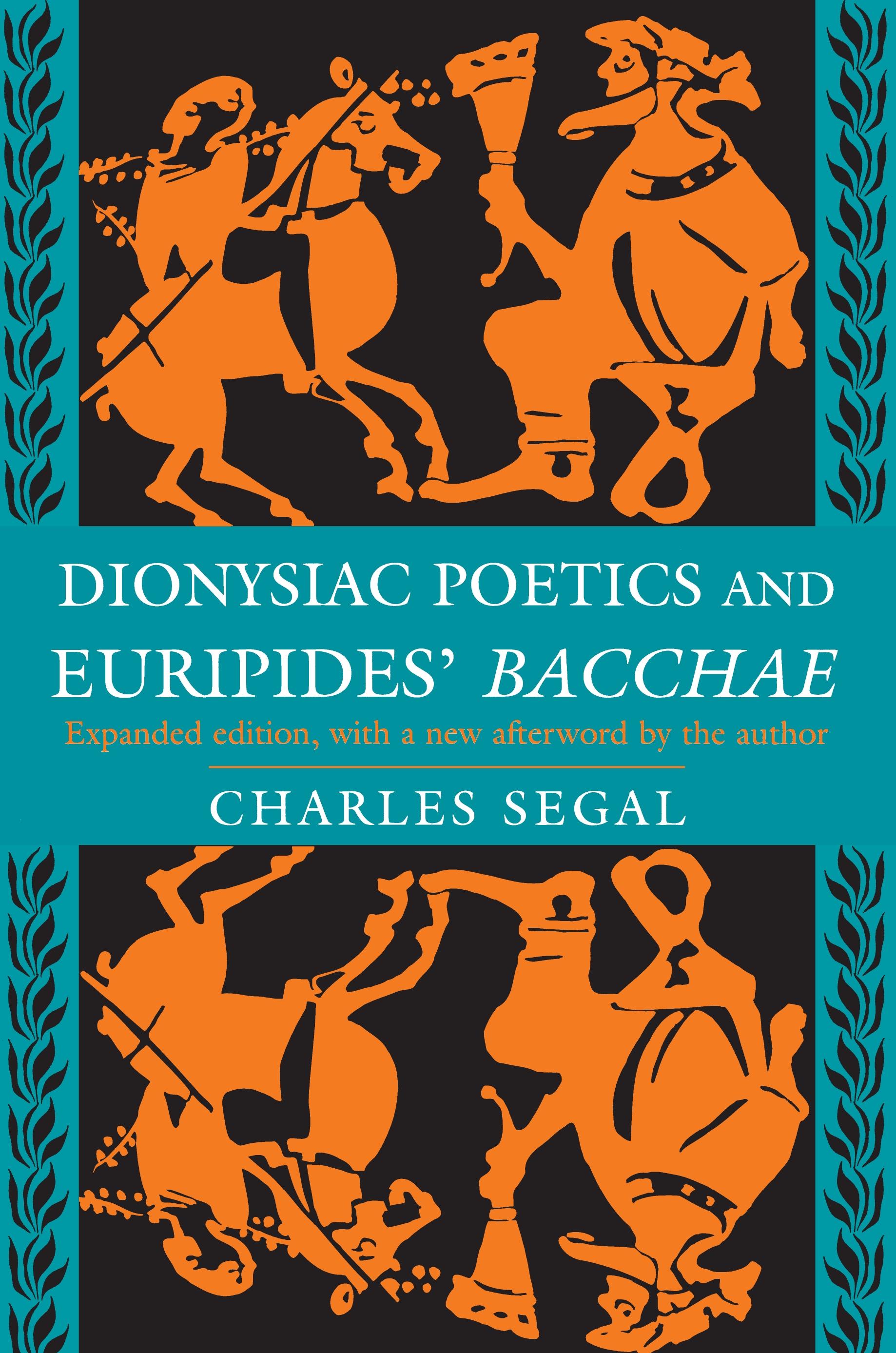
In his play Bacchae, Euripides chooses as his central figure the god who crosses the boundaries among god, man, and beast, between reality and imagination, and between art and madness. In so doing, he explores what in tragedy is able to reach beyond the social, ritual, and historical context from which tragedy itself rises. Charles Segal's reading of Euripides' Bacchae builds gradually from concrete details of cult, setting, and imagery to the work's implications for the nature of myth, language, and theater. This volume presents the argument that the Dionysiac poetics of the play characterize a world view and an art form that can admit logical contradictions and hold them in suspension.
Maksa helposti kortilla, Klarnalla, Apple Paylla tai Google Paylla. Etkö ole tyytyväinen? Sinulla on aina 14 päivän palautusoikeus. Lue lisää ehdoistamme. Jos sinulla on kysyttävää, lähetä meille sähköpostia osoitteeseen hello@memmo.org.
Memmo tekee opiskelusta helpompaa – missä päin maailmaa ikinä oletkin. Meillä yhdistät kurssikirjat ja fiksut opiskelutyökalut yhteen paikkaan: tiivistelmät, visat, podcastit ja muistikortit. Ja sitten Ted, opiskelukaverisi, joka vastaa kaikkeen, mitä ikinä mietitkin. Yli 50 000 opiskelijaa opiskelee jo täällä – rakennettu auttamaan sinua oppimaan nopeammin ja stressaamaan vähemmän.