
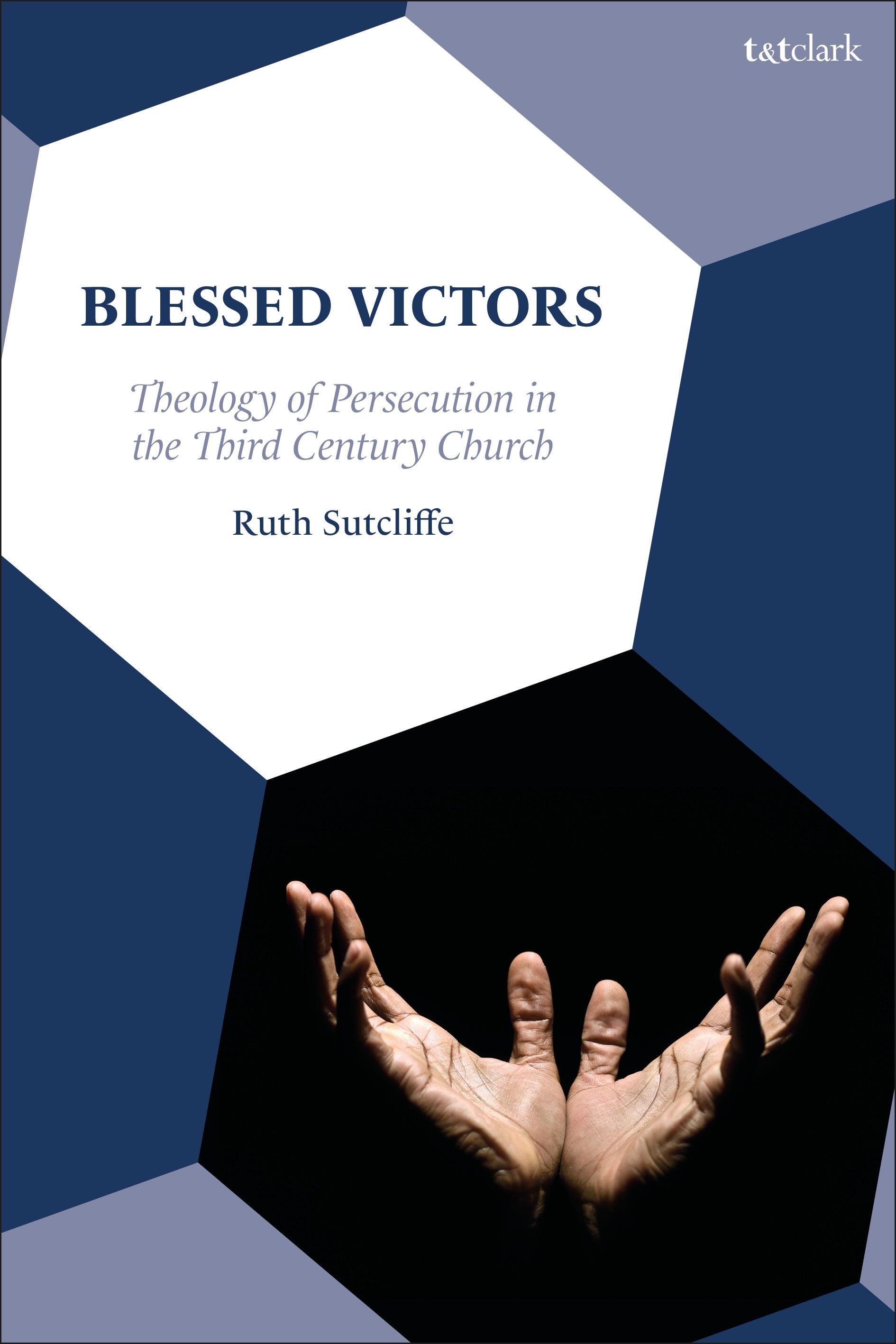
The late second through third centuries saw the remarkable confluence of the early church's developing identity, theological understanding and praxis, with a period of opposition and intermittent persecution from the world around it. Theology necessarily engaged with the persecution experience, as the church considered the goodness and providence of God, the Name to be confessed and the purposeful outcome of the antagonism they faced. Ruth Sutcliffe argues that the early fathers' theological understanding of the role of persecution in the Christian life informed their exhortations to individual and communal response, contributing to the church's remarkable survival and growth through this period.
Four great thinkers of this era - Clement and Origen of Alexandria and Tertullian and Cyprian of Carthage - each have much to contribute to a theological understanding of Christian persecution, and Sutcliffe explores their widely different perspectives, intellectual milieu and experiences. She explains these differences and similarities in terms of their use of the Scriptures, in conversation with their own contexts and agendas; concluding that their differences in approach to persecution can be explained theologically, and that these differences offer a unique window into their respective thought. Despite such differences, Sutcliffe stresses that the early church did have a fundamentally coherent “theology of persecution” which speaks to the worldwide church today.
Four great thinkers of this era - Clement and Origen of Alexandria and Tertullian and Cyprian of Carthage - each have much to contribute to a theological understanding of Christian persecution, and Sutcliffe explores their widely different perspectives, intellectual milieu and experiences. She explains these differences and similarities in terms of their use of the Scriptures, in conversation with their own contexts and agendas; concluding that their differences in approach to persecution can be explained theologically, and that these differences offer a unique window into their respective thought. Despite such differences, Sutcliffe stresses that the early church did have a fundamentally coherent “theology of persecution” which speaks to the worldwide church today.
Maksa helposti kortilla, Klarnalla, Apple Paylla tai Google Paylla. Etkö ole tyytyväinen? Sinulla on aina 14 päivän palautusoikeus. Lue lisää ehdoistamme. Jos sinulla on kysyttävää, lähetä meille sähköpostia osoitteeseen hello@memmo.org.
Memmo tekee opiskelusta helpompaa – missä päin maailmaa ikinä oletkin. Meillä yhdistät kurssikirjat ja fiksut opiskelutyökalut yhteen paikkaan: tiivistelmät, visat, podcastit ja muistikortit. Ja sitten Ted, opiskelukaverisi, joka vastaa kaikkeen, mitä ikinä mietitkin. Yli 50 000 opiskelijaa opiskelee jo täällä – rakennettu auttamaan sinua oppimaan nopeammin ja stressaamaan vähemmän.