
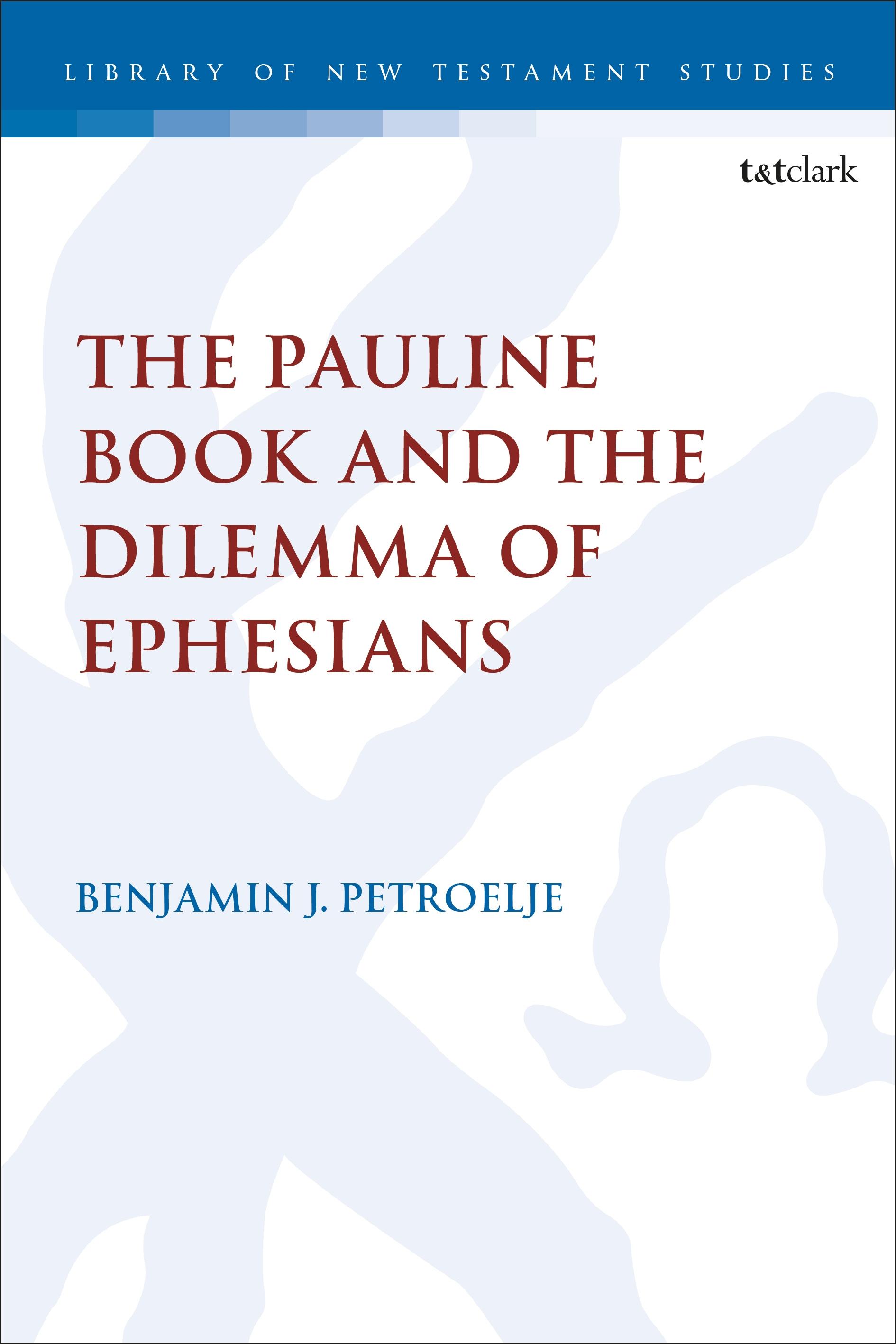
Benjamin J. Petroelje argues that how one reads Ephesians is a function of deeper questions about how to read the Pauline book. Petroelje suggests the contemporary consensus-that Ephesians depicts development of/away from the “real Paul”-is largely a construct of modern criticism, rooted in shifting strategies about how to read a letter collection that developed in the 19th-century.
Using Ephesians 3:1-13 as a point of analysis, Petroelje theorizes that the text's “image of Paul” not only anticipates recent revisionist interpretations of Paul's Jewish identity and gentile gospel, but also holds together tensions in the collection itself surrounding these questions. By analysing ancient letter collections beside their own hermeneutical priorities, and applying this method to the late-antique and modern reception of the corpus Paulinum, Petroelje is able to historicize the origins of the split of Paul's corpus, revealing the constructed nature of the critical consensus on Ephesians and the effect that such modern reading strategies have on interpreting the letter. Urging a return to reading Ephesians alongside Pauline co-texts, Petroelje advocates for Ephesians as a crucial source for the study of Paul, whether Paul wrote it or not.
Using Ephesians 3:1-13 as a point of analysis, Petroelje theorizes that the text's “image of Paul” not only anticipates recent revisionist interpretations of Paul's Jewish identity and gentile gospel, but also holds together tensions in the collection itself surrounding these questions. By analysing ancient letter collections beside their own hermeneutical priorities, and applying this method to the late-antique and modern reception of the corpus Paulinum, Petroelje is able to historicize the origins of the split of Paul's corpus, revealing the constructed nature of the critical consensus on Ephesians and the effect that such modern reading strategies have on interpreting the letter. Urging a return to reading Ephesians alongside Pauline co-texts, Petroelje advocates for Ephesians as a crucial source for the study of Paul, whether Paul wrote it or not.
Maksa helposti kortilla, Klarnalla, Apple Paylla tai Google Paylla. Etkö ole tyytyväinen? Sinulla on aina 14 päivän palautusoikeus. Lue lisää ehdoistamme. Jos sinulla on kysyttävää, lähetä meille sähköpostia osoitteeseen hello@memmo.org.
Memmo tekee opiskelusta helpompaa – missä päin maailmaa ikinä oletkin. Meillä yhdistät kurssikirjat ja fiksut opiskelutyökalut yhteen paikkaan: tiivistelmät, visat, podcastit ja muistikortit. Ja sitten Ted, opiskelukaverisi, joka vastaa kaikkeen, mitä ikinä mietitkin. Yli 50 000 opiskelijaa opiskelee jo täällä – rakennettu auttamaan sinua oppimaan nopeammin ja stressaamaan vähemmän.