
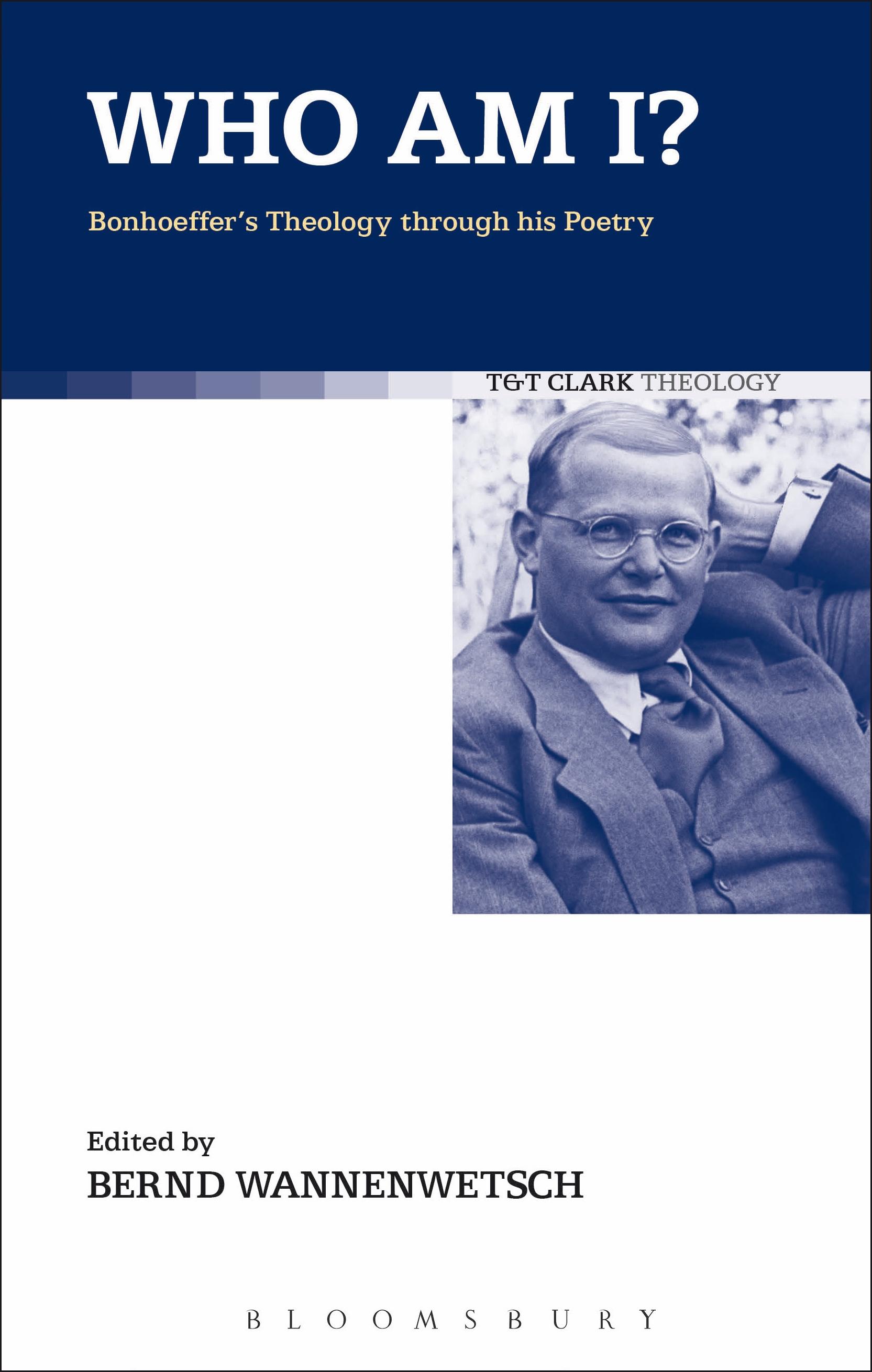
It has often been noted that poetry is a particularly suitable medium when it comes to understanding the connection between theology and biography. Needless to say that this is particularly exciting in the case of Dietrich Bonhoeffer and the poems he wrote during his imprisonment by the Nazis.
Although any one of his ten poems should be read within their respective historical and biographical context, they are also rounded, self-sufficient pieces of work that cannot be 'explained' by the biographical and theological prose that surrounds them. They rather serve as a sort of creative and perhaps sometimes even critical interlocutor to these contexts. This is why the contributors to this volume have not been asked to explain the poems but to facilitate this conversation: the conversation between the reader and the poems, between the individual poems as well as between the poems and Bonhoeffer's life and his theology. These poems lend themselves ideally as an entry point into Bonhoeffer's theology, in that each one of them resonates with a particular central theological concept that Bonhoeffer was developing in his prison years.
Themes and concepts such as "friendship", "religion", "identity", "freedom", "representative action" and others are not only represented in these poems but often expressed in the dense and compelling fashion that only poetic language affords. As such, they deserve the thorough and imaginative engagement of the international line-up of first-class theological authors gathered in this book.
Although any one of his ten poems should be read within their respective historical and biographical context, they are also rounded, self-sufficient pieces of work that cannot be 'explained' by the biographical and theological prose that surrounds them. They rather serve as a sort of creative and perhaps sometimes even critical interlocutor to these contexts. This is why the contributors to this volume have not been asked to explain the poems but to facilitate this conversation: the conversation between the reader and the poems, between the individual poems as well as between the poems and Bonhoeffer's life and his theology. These poems lend themselves ideally as an entry point into Bonhoeffer's theology, in that each one of them resonates with a particular central theological concept that Bonhoeffer was developing in his prison years.
Themes and concepts such as "friendship", "religion", "identity", "freedom", "representative action" and others are not only represented in these poems but often expressed in the dense and compelling fashion that only poetic language affords. As such, they deserve the thorough and imaginative engagement of the international line-up of first-class theological authors gathered in this book.
Maksa helposti kortilla, Klarnalla, Apple Paylla tai Google Paylla. Etkö ole tyytyväinen? Sinulla on aina 14 päivän palautusoikeus. Lue lisää ehdoistamme. Jos sinulla on kysyttävää, lähetä meille sähköpostia osoitteeseen hello@memmo.org.
Memmo tekee opiskelusta helpompaa – missä päin maailmaa ikinä oletkin. Meillä yhdistät kurssikirjat ja fiksut opiskelutyökalut yhteen paikkaan: tiivistelmät, visat, podcastit ja muistikortit. Ja sitten Ted, opiskelukaverisi, joka vastaa kaikkeen, mitä ikinä mietitkin. Yli 50 000 opiskelijaa opiskelee jo täällä – rakennettu auttamaan sinua oppimaan nopeammin ja stressaamaan vähemmän.