
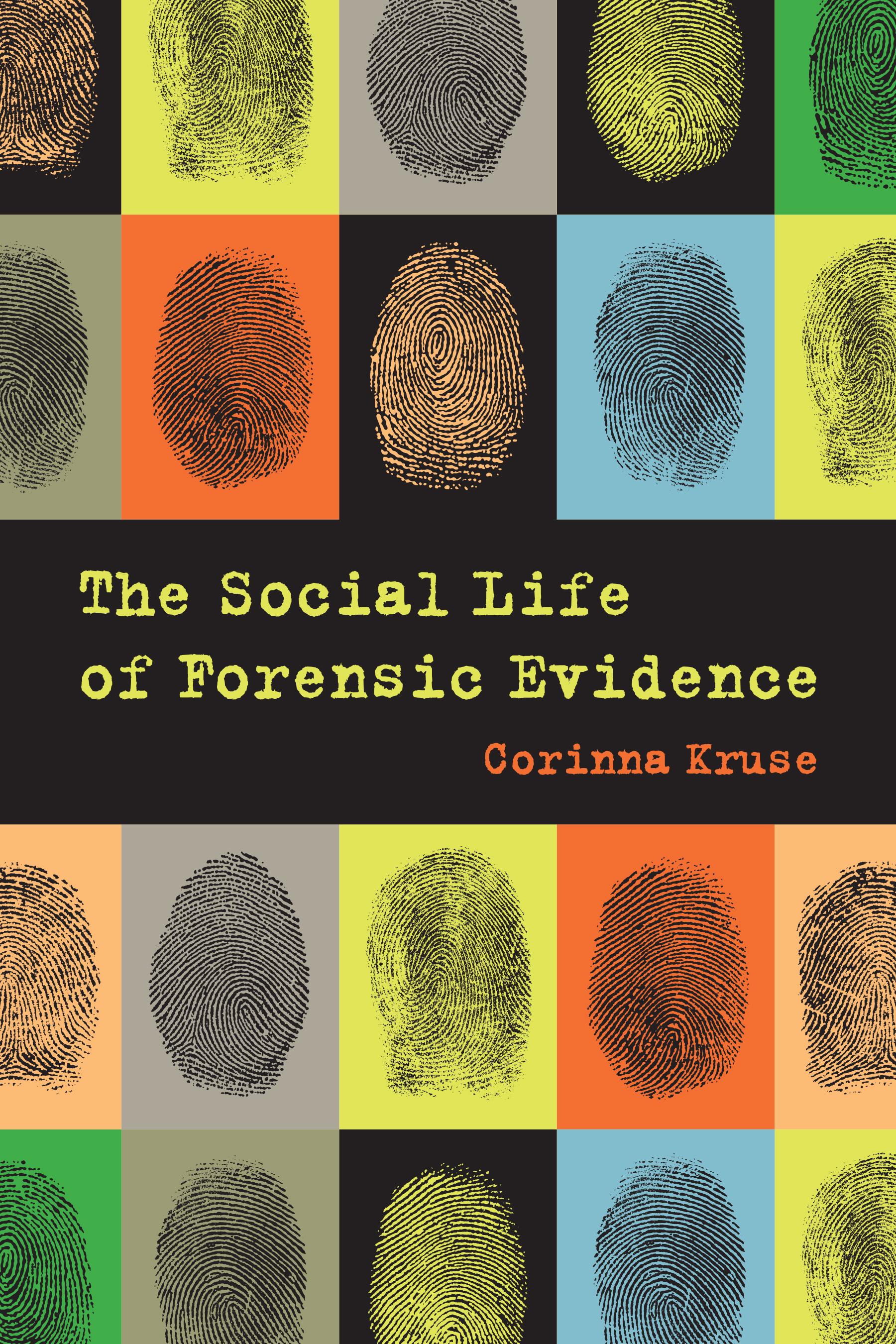
In The Social Life of Forensic Evidence, Corinna Kruse provides a major contribution to understanding forensic evidence and its role in the criminal justice system. Arguing that forensic evidence can be understood as a form of knowledge, she reveals that each piece of evidence has a social life and biography. Kruse shows how the crime scene examination is as crucial to the creation of forensic evidence as laboratory analyses, the plaintiff, witness, and suspect statements elicited by police investigators, and the interpretations that prosecutors and defense lawyers bring to the evidence. Drawing on ethnographic data from Sweden and on theory from both anthropology and science and technology studies, she examines how forensic evidence is produced and how it creates social relationships as cases move from crime scene to courtroom. She demonstrates that forensic evidence is neither a fixed entity nor solely material, but is inseparably part of and made through particular legal, social, and technological practices.
Maksa helposti kortilla, Klarnalla, Apple Paylla tai Google Paylla. Etkö ole tyytyväinen? Sinulla on aina 14 päivän palautusoikeus. Lue lisää ehdoistamme. Jos sinulla on kysyttävää, lähetä meille sähköpostia osoitteeseen hello@memmo.org.
Memmo tekee opiskelusta helpompaa – missä päin maailmaa ikinä oletkin. Meillä yhdistät kurssikirjat ja fiksut opiskelutyökalut yhteen paikkaan: tiivistelmät, visat, podcastit ja muistikortit. Ja sitten Ted, opiskelukaverisi, joka vastaa kaikkeen, mitä ikinä mietitkin. Yli 50 000 opiskelijaa opiskelee jo täällä – rakennettu auttamaan sinua oppimaan nopeammin ja stressaamaan vähemmän.
Saatat pitää myös näistä
Osta kirja0