
Awarded Digital Book World’s Best Book Published by a University Press
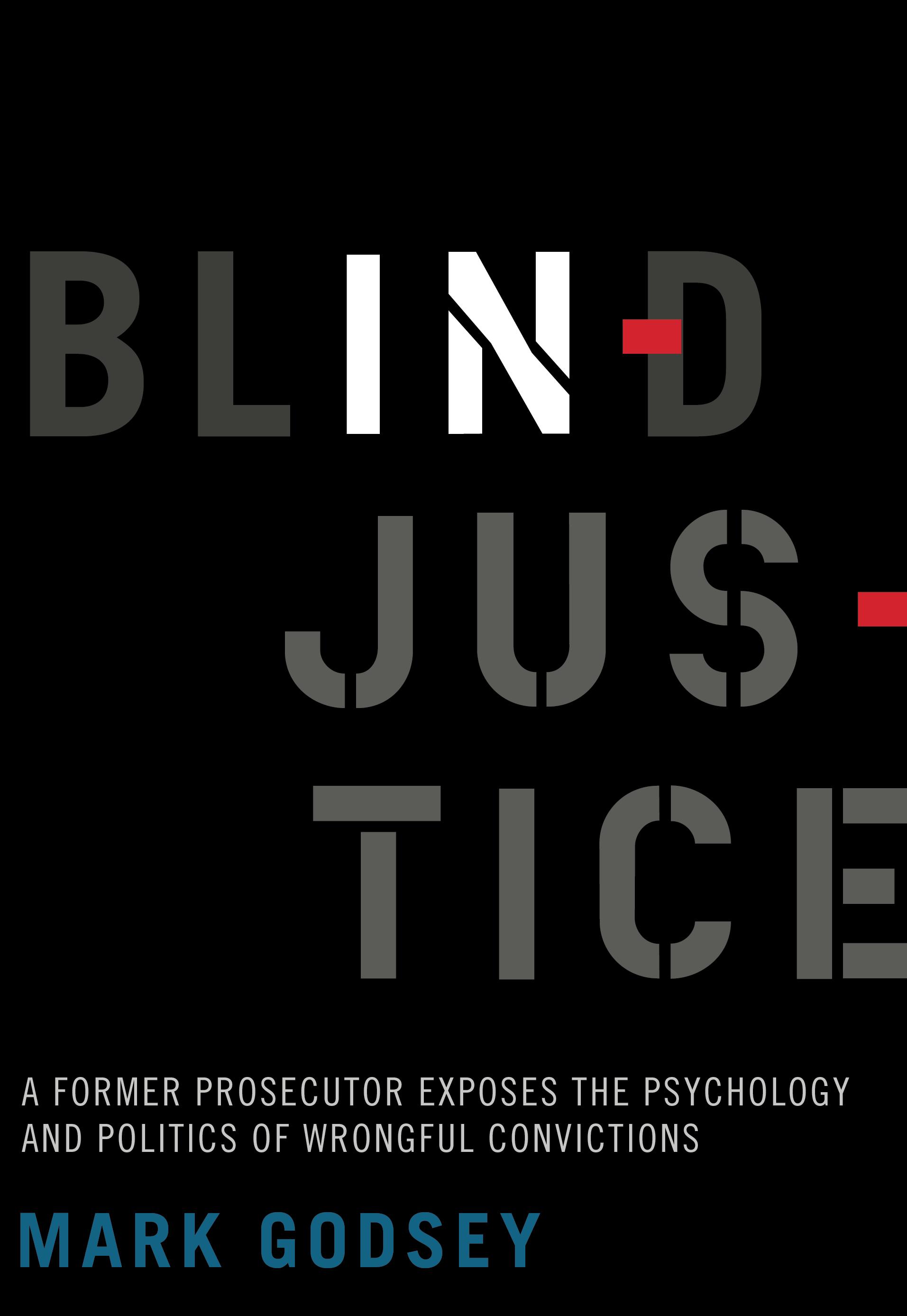
In this unprecedented view from the trenches, prosecutor turned champion for the innocent Mark Godsey takes us inside the frailties of the human mind as they unfold in real-world wrongful convictions. Drawing upon stories from his own career, Godsey shares how innate psychological flaws in judges, police, lawyers, and juries coupled with a “tough on crime” environment can cause investigations to go awry, leading to the convictions of innocent people.
In Blind Injustice, Godsey explores distinct psychological human weaknesses inherent in the criminal justice system—confirmation bias, memory malleability, cognitive dissonance, bureaucratic denial, dehumanization, and others—and illustrates each with stories from his time as a hard-nosed prosecutor and then as an attorney for the Ohio Innocence Project.
He also lays bare the criminal justice system’s internal political pressures. How does the fact that judges, sheriffs, and prosecutors are elected officials influence how they view cases? How can defense attorneys support clients when many are overworked and underpaid? And how do juries overcome bias leading them to believe that police and expert witnesses know more than they do about what evidence means?
This book sheds a harsh light on the unintentional yet routine injustices committed by those charged with upholding justice. Yet in the end, Godsey recommends structural, procedural, and attitudinal changes aimed at restoring justice to the criminal justice system.
In this unprecedented view from the trenches, prosecutor turned champion for the innocent Mark Godsey takes us inside the frailties of the human mind as they unfold in real-world wrongful convictions. Drawing upon stories from his own career, Godsey shares how innate psychological flaws in judges, police, lawyers, and juries coupled with a “tough on crime” environment can cause investigations to go awry, leading to the convictions of innocent people.
In Blind Injustice, Godsey explores distinct psychological human weaknesses inherent in the criminal justice system—confirmation bias, memory malleability, cognitive dissonance, bureaucratic denial, dehumanization, and others—and illustrates each with stories from his time as a hard-nosed prosecutor and then as an attorney for the Ohio Innocence Project.
He also lays bare the criminal justice system’s internal political pressures. How does the fact that judges, sheriffs, and prosecutors are elected officials influence how they view cases? How can defense attorneys support clients when many are overworked and underpaid? And how do juries overcome bias leading them to believe that police and expert witnesses know more than they do about what evidence means?
This book sheds a harsh light on the unintentional yet routine injustices committed by those charged with upholding justice. Yet in the end, Godsey recommends structural, procedural, and attitudinal changes aimed at restoring justice to the criminal justice system.
Maksa helposti kortilla, Klarnalla, Apple Paylla tai Google Paylla. Etkö ole tyytyväinen? Sinulla on aina 14 päivän palautusoikeus. Lue lisää ehdoistamme. Jos sinulla on kysyttävää, lähetä meille sähköpostia osoitteeseen hello@memmo.org.
Memmo tekee opiskelusta helpompaa – missä päin maailmaa ikinä oletkin. Meillä yhdistät kurssikirjat ja fiksut opiskelutyökalut yhteen paikkaan: tiivistelmät, visat, podcastit ja muistikortit. Ja sitten Ted, opiskelukaverisi, joka vastaa kaikkeen, mitä ikinä mietitkin. Yli 50 000 opiskelijaa opiskelee jo täällä – rakennettu auttamaan sinua oppimaan nopeammin ja stressaamaan vähemmän.
Saatat pitää myös näistä
Osta kirja0