
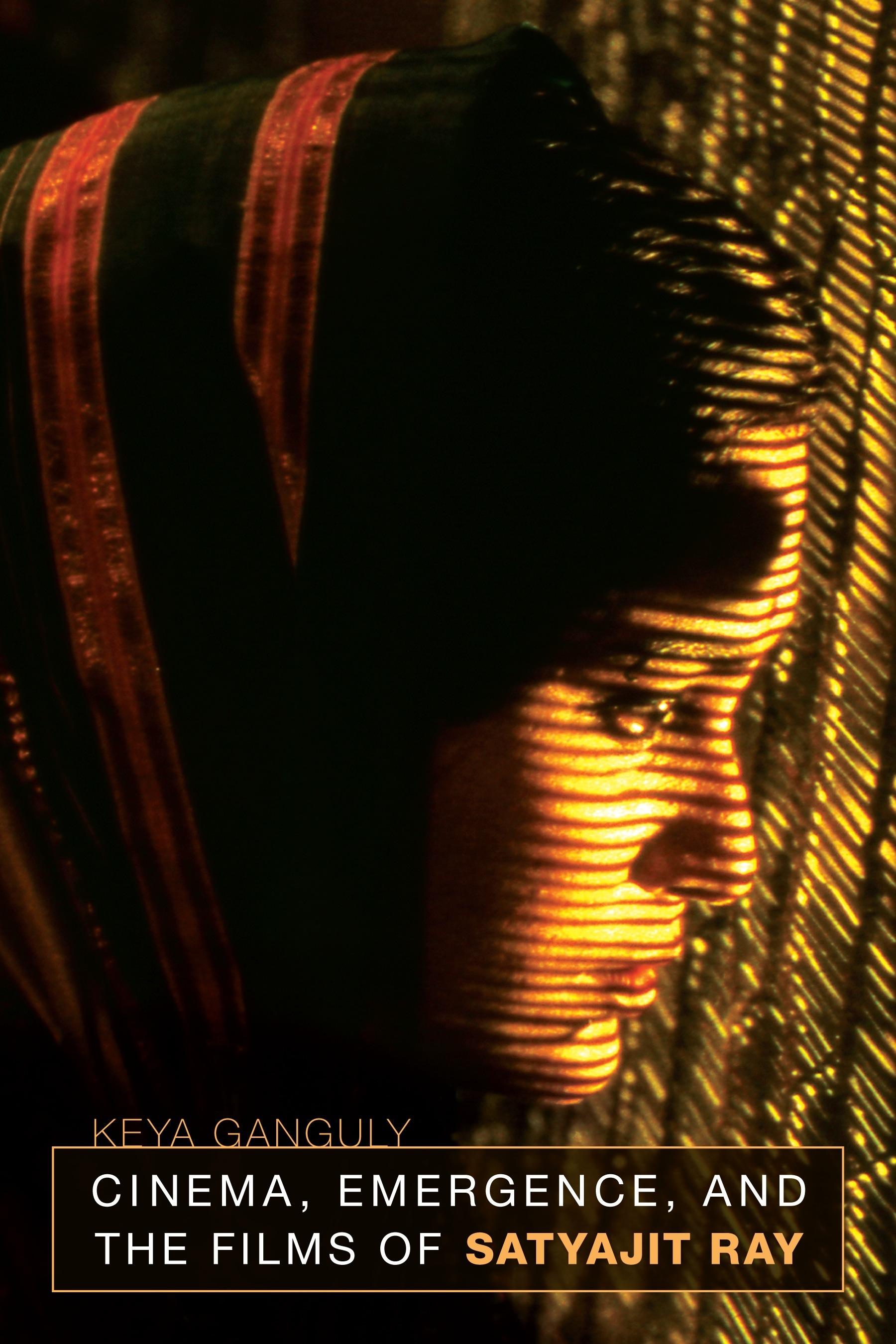
Although revered as one of the world’s great filmmakers, the Indian director Satyajit Ray is described either in narrowly nationalistic terms or as an artist whose critique of modernity is largely derived from European ideas. Rarely is he seen as an influential modernist in his own right whose contributions to world cinema remain unsurpassed. In this benchmark study, Keya Ganguly situates Ray’s work within the internationalist spirit of the twentieth century, arguing that his film experiments revive the category of political or "committed" art. She suggests that in their depictions of Indian life, Ray’s films intimate the sense of a radical future and document the capacity of the image to conceptualize a different world glimpsed in the remnants of a disappearing past.
Maksa helposti kortilla, Klarnalla, Apple Paylla tai Google Paylla. Etkö ole tyytyväinen? Sinulla on aina 14 päivän palautusoikeus. Lue lisää ehdoistamme. Jos sinulla on kysyttävää, lähetä meille sähköpostia osoitteeseen hello@memmo.org.
Memmo tekee opiskelusta helpompaa – missä päin maailmaa ikinä oletkin. Meillä yhdistät kurssikirjat ja fiksut opiskelutyökalut yhteen paikkaan: tiivistelmät, visat, podcastit ja muistikortit. Ja sitten Ted, opiskelukaverisi, joka vastaa kaikkeen, mitä ikinä mietitkin. Yli 50 000 opiskelijaa opiskelee jo täällä – rakennettu auttamaan sinua oppimaan nopeammin ja stressaamaan vähemmän.
Saatat pitää myös näistä
Osta kirja0