
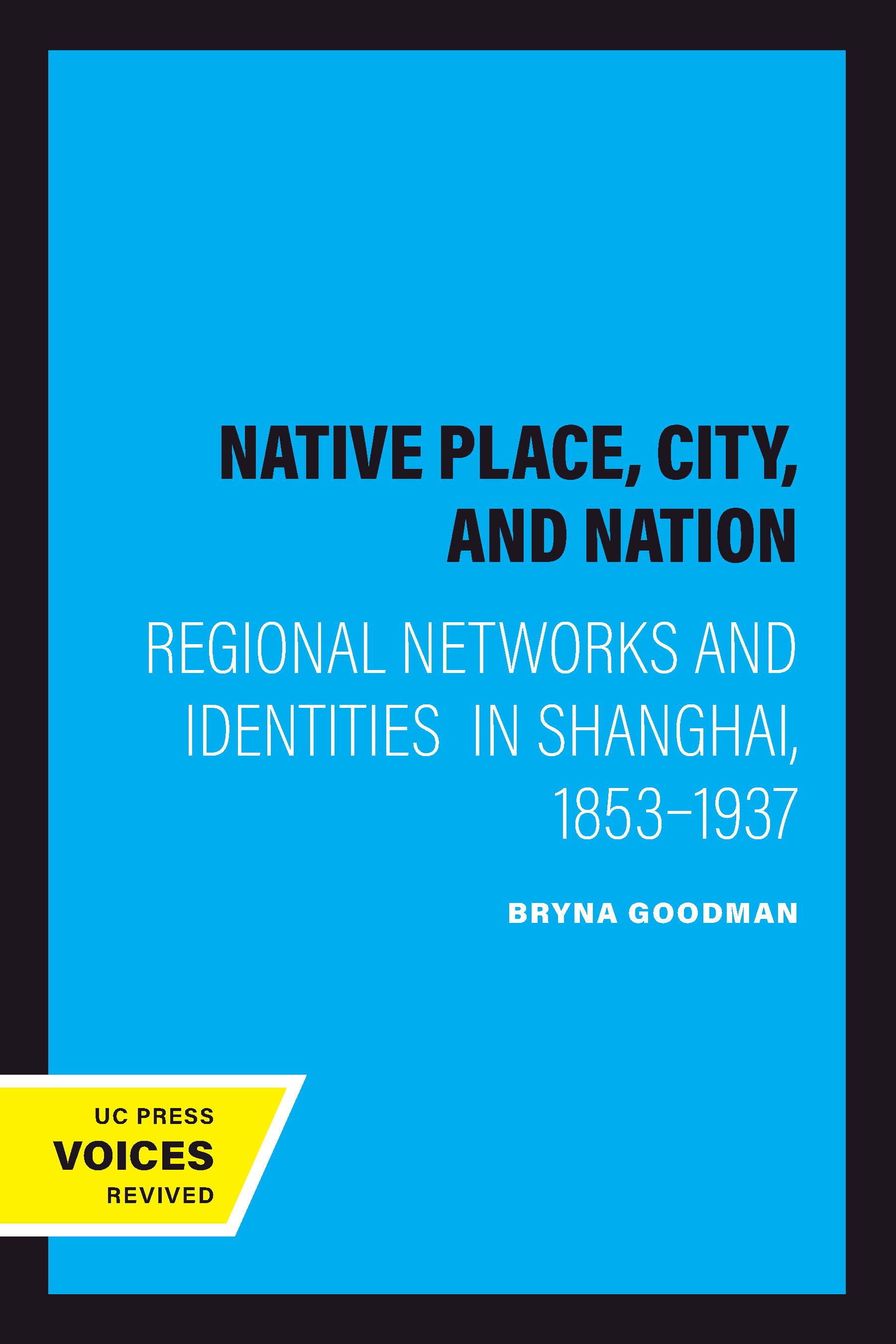
This book explores the role of native place associations in the development of modern Chinese urban society and the role of native-place identity in the development of urban nationalism. From the late nineteenth to the early twentieth century, sojourners from other provinces dominated the population of Shanghai and other expanding commercial Chinese cities. These immigrants formed native place associations beginning in the imperial period and persisting into the mid-twentieth century. Goodman examines the modernization of these associations and argues that under weak urban government, native place sentiment and organization flourished and had a profound effect on city life, social order and urban and national identity.
This book explores the role of native place associations in the development of modern Chinese urban society and the role of native-place identity in the development of urban nationalism. From the late nineteenth to the early twentieth century, sojourners
This book explores the role of native place associations in the development of modern Chinese urban society and the role of native-place identity in the development of urban nationalism. From the late nineteenth to the early twentieth century, sojourners
Maksa helposti kortilla, Klarnalla, Apple Paylla tai Google Paylla. Etkö ole tyytyväinen? Sinulla on aina 14 päivän palautusoikeus. Lue lisää ehdoistamme. Jos sinulla on kysyttävää, lähetä meille sähköpostia osoitteeseen hello@memmo.org.
Memmo tekee opiskelusta helpompaa – missä päin maailmaa ikinä oletkin. Meillä yhdistät kurssikirjat ja fiksut opiskelutyökalut yhteen paikkaan: tiivistelmät, visat, podcastit ja muistikortit. Ja sitten Ted, opiskelukaverisi, joka vastaa kaikkeen, mitä ikinä mietitkin. Yli 50 000 opiskelijaa opiskelee jo täällä – rakennettu auttamaan sinua oppimaan nopeammin ja stressaamaan vähemmän.
Saatat pitää myös näistä
Osta kirja0