
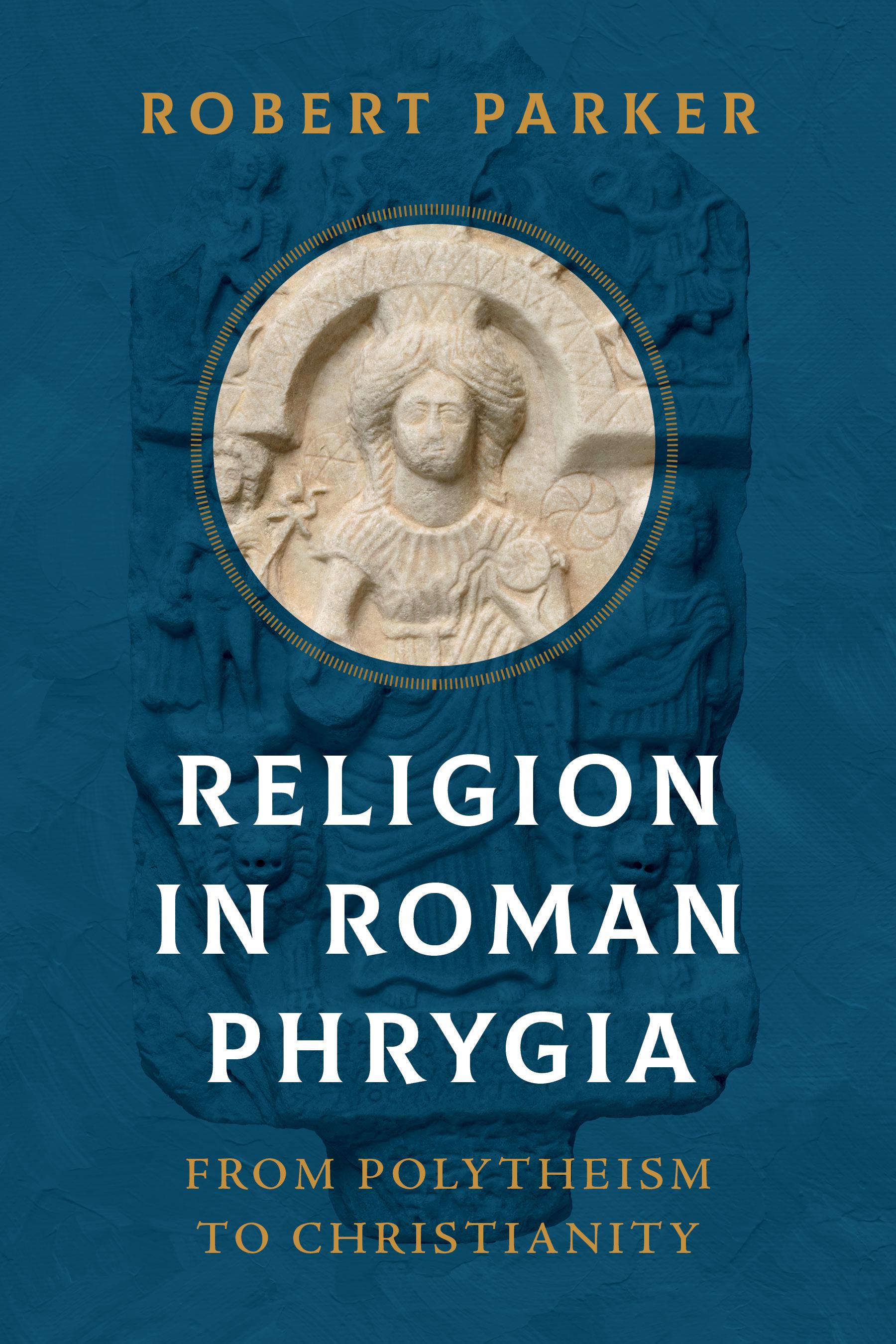
Phrygia in the second and third centuries CE offers more vivid evidence for what has been termed “lived ancient religion” than any other region in the ancient world. The evidence from Phrygia is neither literary nor issued by cities or their powerful inhabitants but rather comes from farmers and herders who left behind numerous stone memorials of themselves and dedications to their gods, praying for the welfare of their families, crops, and cattle. In Religion in Roman Phrygia: From Polytheism to Christianity, Robert Parker opens a rare window into the world of those Sir Ronald Syme called “the voiceless earth-coloured rustics” who have been “conveniently forgotten.” The period in which Phrygian paganism flourished so visibly was also the period in which Christianity was introduced by the apostle Paul and took root. Parker presents a rich body of evidence and uses it to explore one of history’s great stories and enigmas: how and why the new religion overtook its predecessor, with the Christian God meeting needs previously satisfied by Zeus and the other gods.
Maksa helposti kortilla, Klarnalla, Apple Paylla tai Google Paylla. Etkö ole tyytyväinen? Sinulla on aina 14 päivän palautusoikeus. Lue lisää ehdoistamme. Jos sinulla on kysyttävää, lähetä meille sähköpostia osoitteeseen hello@memmo.org.
Memmo tekee opiskelusta helpompaa – missä päin maailmaa ikinä oletkin. Meillä yhdistät kurssikirjat ja fiksut opiskelutyökalut yhteen paikkaan: tiivistelmät, visat, podcastit ja muistikortit. Ja sitten Ted, opiskelukaverisi, joka vastaa kaikkeen, mitä ikinä mietitkin. Yli 50 000 opiskelijaa opiskelee jo täällä – rakennettu auttamaan sinua oppimaan nopeammin ja stressaamaan vähemmän.