
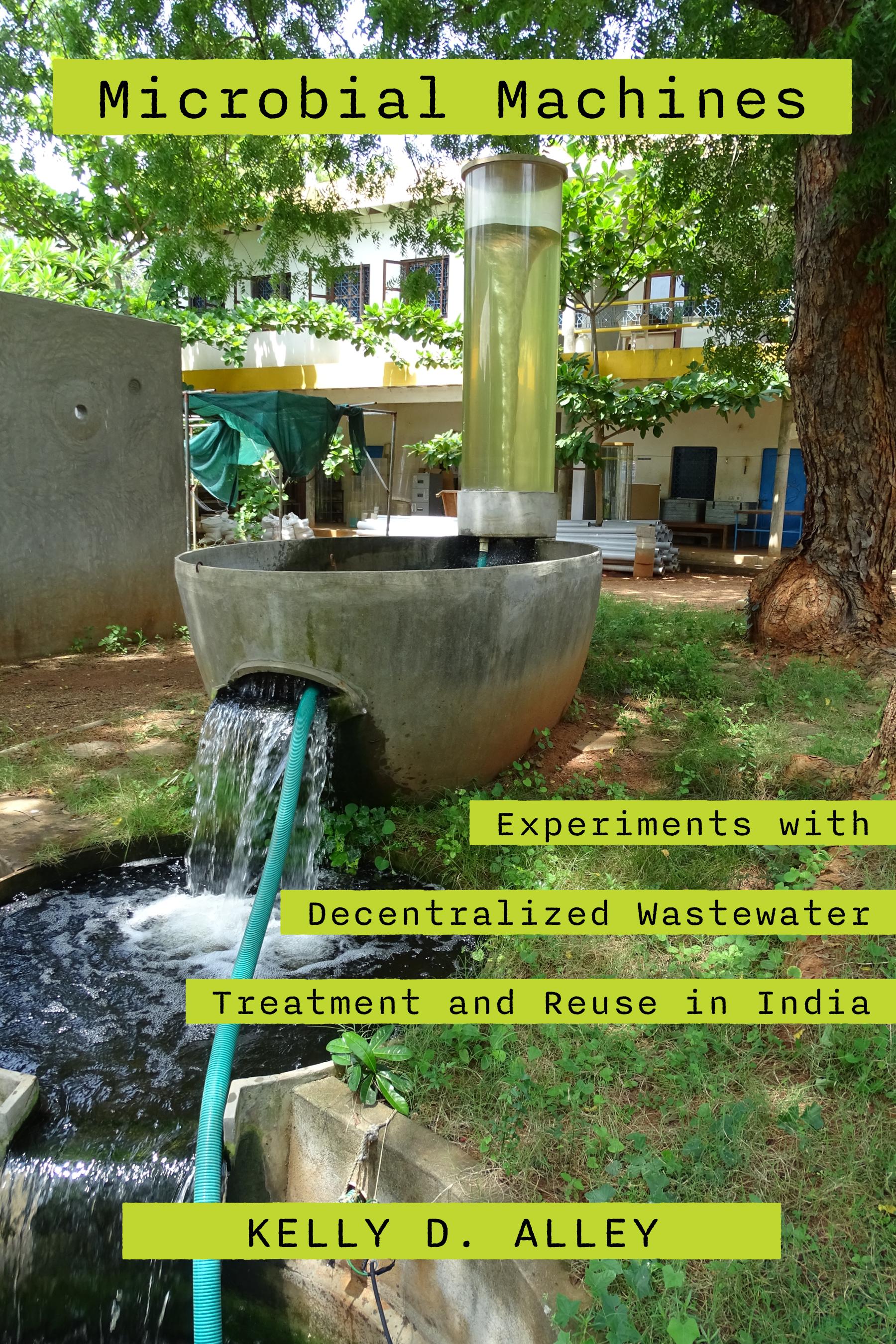
Around 2004, members of governmental and nongovernmental organizations, science institutes, and private companies throughout India began brainstorming and then experimenting with small-scale treatment systems that could produce usable water from wastewater. Through detailed case studies, Microbial Machines describes how residents, workers, and scientists interact with technology, science, and engineering during the processes of treatment and reuse. Using a human-machine-microbe framework, Kelly Alley explores the ways that people's sensory perceptions of water—including disgust—are dynamic and how people use machines and microbes to digest wastewater. A better understanding of how the human and nonhuman interact in these processes will enable people to generate more effective methods for treating and reusing wastewater. While decentralized wastewater treatment systems may not be a perfect solution, they alleviate resource stress in regions that are particularly hard hit by climate change. These case studies have broad relevance for solving similar problems in many other places around the world.
Maksa helposti kortilla, Klarnalla, Apple Paylla tai Google Paylla. Etkö ole tyytyväinen? Sinulla on aina 14 päivän palautusoikeus. Lue lisää ehdoistamme. Jos sinulla on kysyttävää, lähetä meille sähköpostia osoitteeseen hello@memmo.org.
Memmo tekee opiskelusta helpompaa – missä päin maailmaa ikinä oletkin. Meillä yhdistät kurssikirjat ja fiksut opiskelutyökalut yhteen paikkaan: tiivistelmät, visat, podcastit ja muistikortit. Ja sitten Ted, opiskelukaverisi, joka vastaa kaikkeen, mitä ikinä mietitkin. Yli 50 000 opiskelijaa opiskelee jo täällä – rakennettu auttamaan sinua oppimaan nopeammin ja stressaamaan vähemmän.
Saatat pitää myös näistä
Osta kirja0