
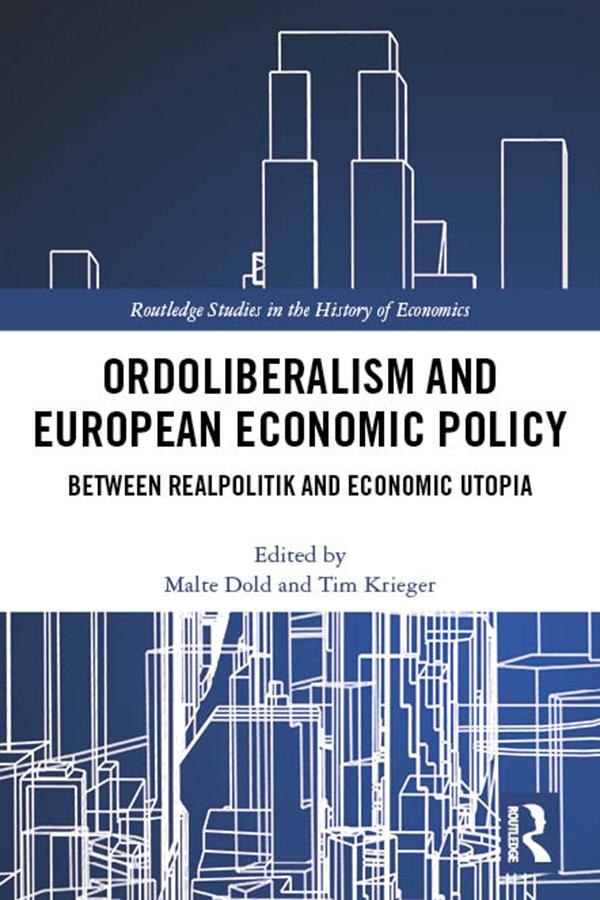
This volume takes a broad perspective on the recent debate on the role of German ordoliberalism in shaping European economic policy before and after the eurozone crisis. It shows how ordoliberal scholars explain the institutional origins of the eurozone crisis, and presents creative policy proposals for the future of the European economy.
Ordoliberal discourse both attempts to offer political solutions to socioeconomic challenges, and to find an ideal market order that fosters individual freedom and social cohesion. This tension between realpolitik and economic utopia reflects the wider debate on how far economic theory shapes, and is shaped by, historical contingencies and institutions.
The volume will be of interest to policymakers as well as research scholars, and graduate students from various disciplines ranging from economics to political science, history, and philosophy.
Maksa helposti kortilla, Klarnalla, Apple Paylla tai Google Paylla. Etkö ole tyytyväinen? Sinulla on aina 14 päivän palautusoikeus. Lue lisää ehdoistamme. Jos sinulla on kysyttävää, lähetä meille sähköpostia osoitteeseen hello@memmo.org.
Memmo tekee opiskelusta helpompaa – missä päin maailmaa ikinä oletkin. Meillä yhdistät kurssikirjat ja fiksut opiskelutyökalut yhteen paikkaan: tiivistelmät, visat, podcastit ja muistikortit. Ja sitten Ted, opiskelukaverisi, joka vastaa kaikkeen, mitä ikinä mietitkin. Yli 50 000 opiskelijaa opiskelee jo täällä – rakennettu auttamaan sinua oppimaan nopeammin ja stressaamaan vähemmän.