
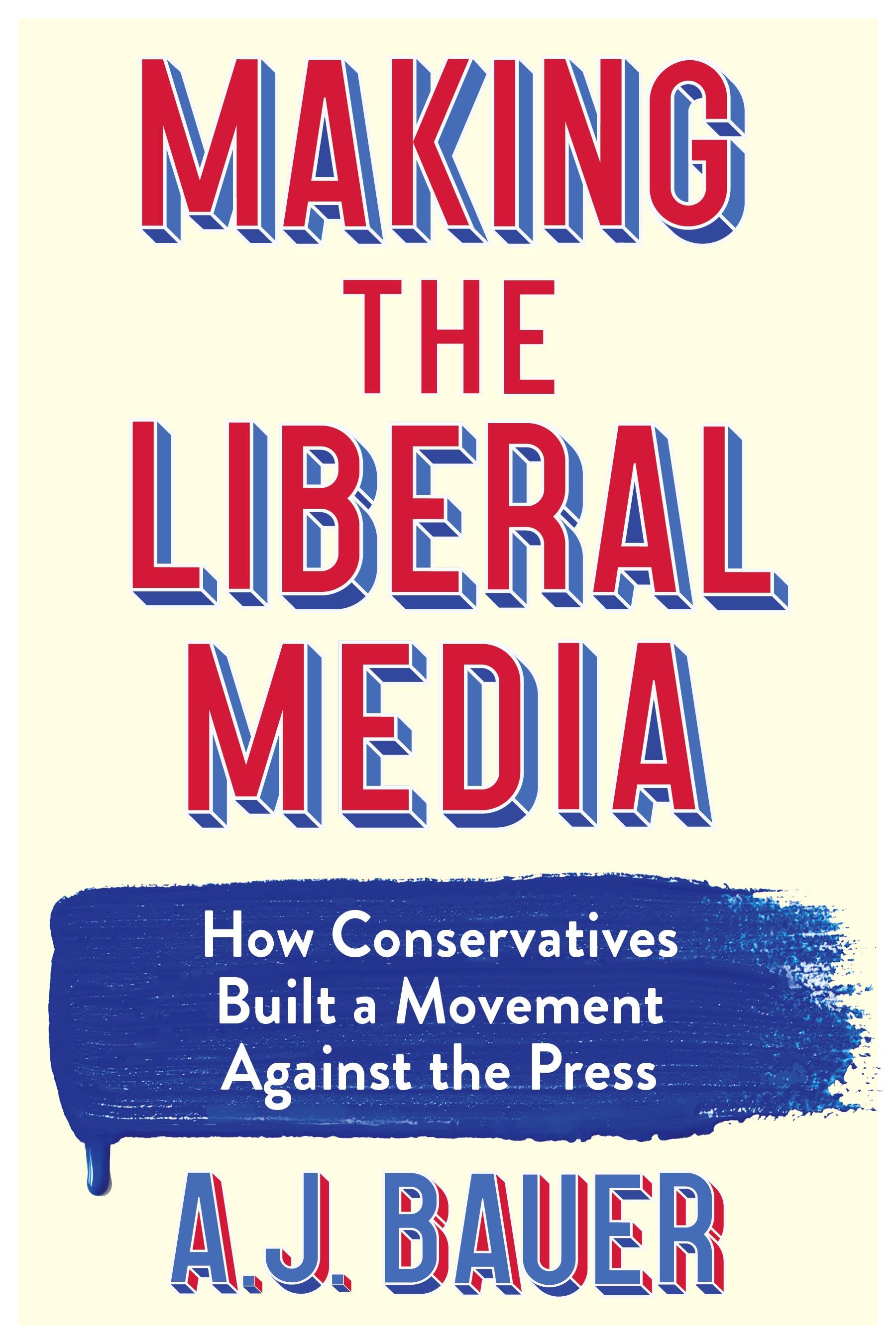
Conservatives have disagreed about many things, but they have long been united by the belief that the mainstream—or “liberal”—media is biased against them. Why did conflict with the press become so central to conservative identity, and how has antipathy toward the media shaped the modern conservative movement? A. J. Bauer traces how decades of right-wing criticism of the “liberal media” reshaped US news culture and came to define conservative politics.
In the 1940s, progressives saw the newspaper industry as a reactionary bastion and supported regulations such as the Fairness Doctrine to ensure a wider range of viewpoints over the airwaves. Anticommunist campaigners soon borrowed tactics from their foes, adapting claims of structural media bias and fostering skepticism toward mainstream outlets. Bauer tracks the conservative turn to media activism, demonstrating how allegations of bias bridged the gap between relatively mainstream figures such as William F. Buckley and more extreme groups like the John Birch Society. Bauer considers key moments from Texas oilman H. L. Hunt’s bankrolling of the supposedly nonpartisan Facts Forum in the 1950s to Spiro Agnew’s tirades against the media elite and the rise of watchdog groups such as Accuracy in Media in the 1970s. By cultivating grassroots hostility toward the press, conservatives built an audience base for the right-wing media sector that emerged after the Reagan administration lifted the Fairness Doctrine. From Rush Limbaugh to Fox News to today’s right-wing podcasts and influencers, this book shows why conservative media ultimately eclipsed the movement that enabled it. In recounting the long history of conflict between conservatives and the press, Bauer offers a compelling new origin story for today’s polarized media environment.
Maksa helposti kortilla, Klarnalla, Apple Paylla tai Google Paylla. Etkö ole tyytyväinen? Sinulla on aina 14 päivän palautusoikeus. Lue lisää ehdoistamme. Jos sinulla on kysyttävää, lähetä meille sähköpostia osoitteeseen hello@memmo.org.
Memmo tekee opiskelusta helpompaa – missä päin maailmaa ikinä oletkin. Meillä yhdistät kurssikirjat ja fiksut opiskelutyökalut yhteen paikkaan: tiivistelmät, visat, podcastit ja muistikortit. Ja sitten Ted, opiskelukaverisi, joka vastaa kaikkeen, mitä ikinä mietitkin. Yli 50 000 opiskelijaa opiskelee jo täällä – rakennettu auttamaan sinua oppimaan nopeammin ja stressaamaan vähemmän.