
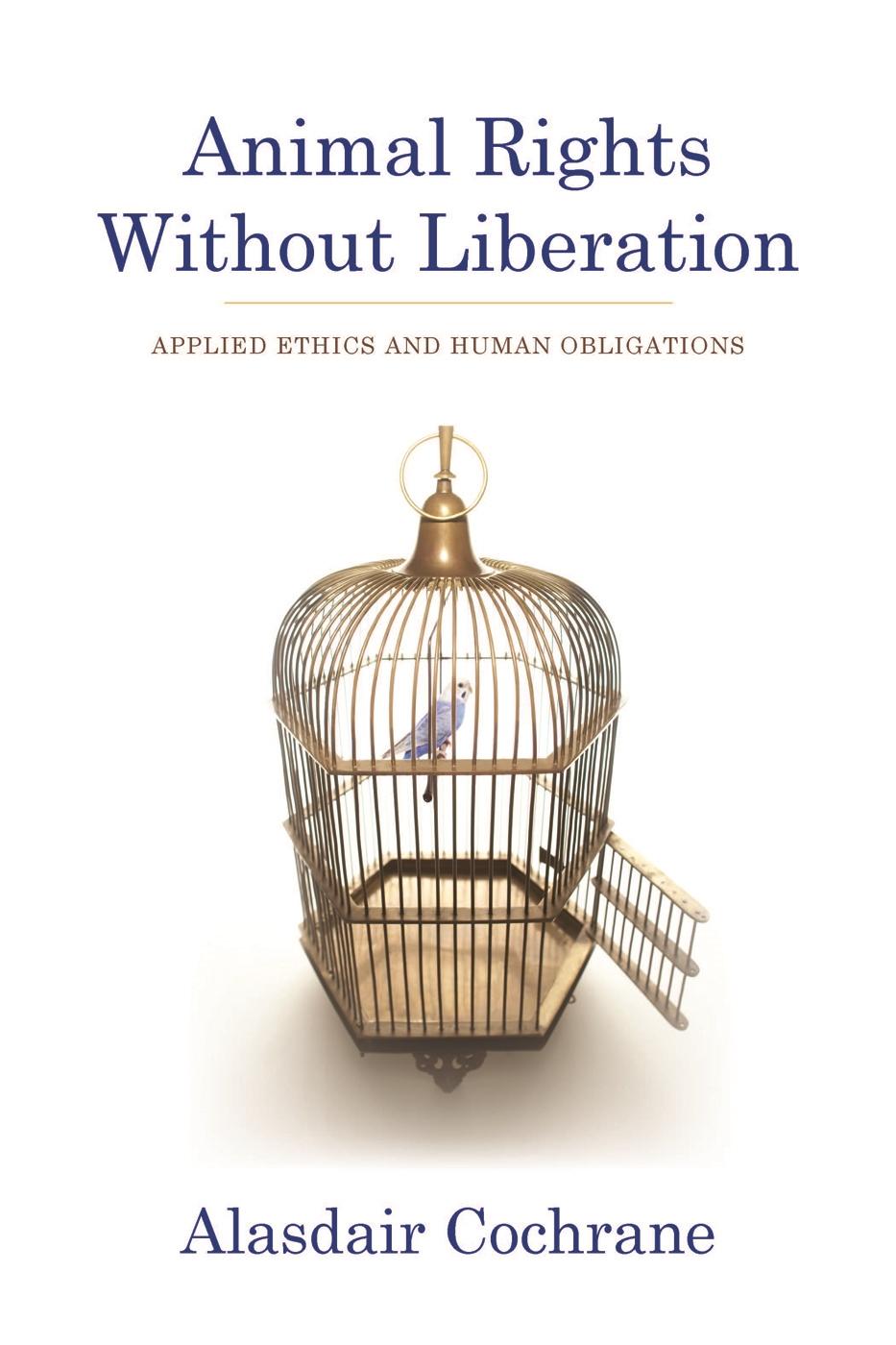
Alasdair Cochrane introduces an entirely new theory of animal rights grounded in their interests as sentient beings. He then applies this theory to different and underexplored policy areas, such as genetic engineering, pet-keeping, indigenous hunting, and religious slaughter. In contrast to other proponents of animal rights, Cochrane claims that because most sentient animals are not autonomous agents, they have no intrinsic interest in liberty. As such, he argues that our obligations to animals lie in ending practices that cause their suffering and death and do not require the liberation of animals.
Cochrane's "interest-based rights approach" weighs the interests of animals to determine which is sufficient to impose strict duties on humans. In so doing, Cochrane acknowledges that sentient animals have a clear and discernable right not to be made to suffer and not to be killed, but he argues that they do not have a prima facie right to liberty. Because most animals possess no interest in leading freely chosen lives, humans have no moral obligation to liberate them. Moving beyond theory to the practical aspects of applied ethics, this pragmatic volume provides much-needed perspective on the realities and responsibilities of the human-animal relationship.
Maksa helposti kortilla, Klarnalla, Apple Paylla tai Google Paylla. Etkö ole tyytyväinen? Sinulla on aina 14 päivän palautusoikeus. Lue lisää ehdoistamme. Jos sinulla on kysyttävää, lähetä meille sähköpostia osoitteeseen hello@memmo.org.
Memmo tekee opiskelusta helpompaa – missä päin maailmaa ikinä oletkin. Meillä yhdistät kurssikirjat ja fiksut opiskelutyökalut yhteen paikkaan: tiivistelmät, visat, podcastit ja muistikortit. Ja sitten Ted, opiskelukaverisi, joka vastaa kaikkeen, mitä ikinä mietitkin. Yli 50 000 opiskelijaa opiskelee jo täällä – rakennettu auttamaan sinua oppimaan nopeammin ja stressaamaan vähemmän.